Blog

  • Why cement manufacturers must immediately reduce price – FG

    Why cement manufacturers must immediately reduce price – FG

    The Federal Government has called on cement manufacturers across the country to immediately reduce the price of cement, insisting that the current cost of the product is placing pressure on ongoing infrastructure projects and increasing demands for contract variations.

    Minister of Works, David Umahi, made the call while delivering a keynote address at an event in Lagos State on Sunday.

    Speaking before industry leaders, investors, and stakeholders, the Minister emphasised that the Federal Government would engage cement manufacturers from July 1 to address the issue of cement prices.

    “We shall be engaging on this from First of July. Manufacturers of Cement must reduce their prices because the contractors are choking me to review their contracts.

    “But nobody is reviewing anybody’s contract. It’s the manufacturers of cement that should review their costs.”

    The Minister urged the manufacturers to enlarge their capacity, stating that the demand is much higher due to ongoing construction.

    The market is smaller than what the president is doing. So, enlarge your coast,” he added.

    Why cement manufacturers must immediately reduce price – FG

  • Lassa Fever Deaths Hit 214

    Lassa Fever Deaths Hit 214

    Lassa fever has claimed 214 lives in Nigeria, with the Case Fatality Rate climbing to 25.0 per cent, the Nigeria Centre for Disease Control and Prevention (NCDC) has said.

    This is contained in the NCDC Lassa Fever Situation Report for Week 23 (June 1 to June 7). This, the agency said is up sharply from 18.9 per cent during the same period in 2025.

    It said that both suspected and confirmed cases have also increased compared to 2025.

    “New confirmed cases held steady in week 23, matching the count from week 22. Infections were reported in Edo, Ondo, Bauchi and Ebonyi. No new healthcare worker infections were reported during the week. The outbreak has spread across 23 states and 109 Local Government Areas since January 2026,” it said.

    According to it, five states account for 84 per cent of all confirmed cases.

    “Ondo leads with 28 per cent, followed by Bauchi 25 per cent, Taraba 15 per cent, Edo 10 per cent, and Benue six per cent. The remaining 16 per cent of cases are spread across 18 other states with confirmed infections,” it said.

    According to the agency, young adults remain most affected. The predominant age group, the NCDC said, is 21-30 years, with cases ranging from one to 93 years and a median age of 30 years.

    The agency said that to coordinate the response, the National Lassa fever multi-partner, multi-sectoral Incident Management System (IMS)remained activated.

    It said the IMS is supporting response activities at federal, state and LGA levels. It said no new healthcare worker case was reported in week 23, the higher CFR and wider geographic spread point to ongoing transmission pressure.

    According to it, surveillance and case management efforts continue across the 23 affected states.

    Lassa Fever Deaths Hit 214 is first published on The Whistler Newspaper

  • DIG Assures Abducted Schoolchildren Will Be Rescued Soon

    DIG Assures Abducted Schoolchildren Will Be Rescued Soon

    The South-West Coordinating Deputy Inspector-General of Police (DIG), Mr Adegoke Fayoade, has assured that abducted schoolchildren and their teachers will be rescued safely.

    Fayoade, who is in charge of Information and Communication Technology (ICT), gave the assurance on Monday while speaking with journalists during an official working visit to the Lagos State Police Command Headquarters in Ikeja.

    He said coordinated efforts were ongoing across relevant security formations to ensure the swift rescue of the victims.

    Fayoade said that coordinated efforts were ongoing across security formations to ensure the safe rescue of the victims in the shortest possible time.

    “All agencies, including government, are working very hard, and I can assure you that within the shortest possible time, those children and their teachers will be free,” he said.

    Responding to questions on reports of ransom demands by the abductors, the DIG said “the police do not engage in ransom discussions,” stressing that operational focus remained the safe recovery of victims.

    “We don’t know anything about ransom because we don’t talk about ransom. All efforts are directed towards getting the abductees freed safely,” he added.

    Fayoade explained that his visit was aimed at strengthening supervision, reviewing operational approaches and engaging personnel on improved strategies to address evolving security threats across the country.

    He said observations from the visit would be forwarded to the Inspector-General of Police(I-GP), Mr Olatunji Disu for further action and policy direction.

    The DIG noted that key challenges raised during engagements included manpower shortages, welfare of officers and logistics support, adding that efforts were ongoing to address them.

    He said ongoing recruitment exercises were part of measures to boost police manpower nationwide, while welfare of personnel remained a top priority of the Force leadership.

    Fayoade also highlighted the Nigeria Police Force’s growing reliance on technology, including the development of a centralised data system and the adoption of artificial intelligence to strengthen intelligence gathering and investigations.

    He said the initiative aligned with the vision of the I-G to build a more intelligence-led and technology-driven policing system.

    The DIG commended officers of the Nigeria Police Force, urging them to remain professional, committed and respectful of human rights in the discharge of their duties.

    He also emphasised the importance of stakeholder support in policing, noting that effective security management required collaboration beyond government resources.

    Fayoade further urged mutual respect between officers and members of the public, saying such cooperation remained essential for effective policing and national security.

    DIG Assures Abducted Schoolchildren Will Be Rescued Soon is first published on The Whistler Newspaper

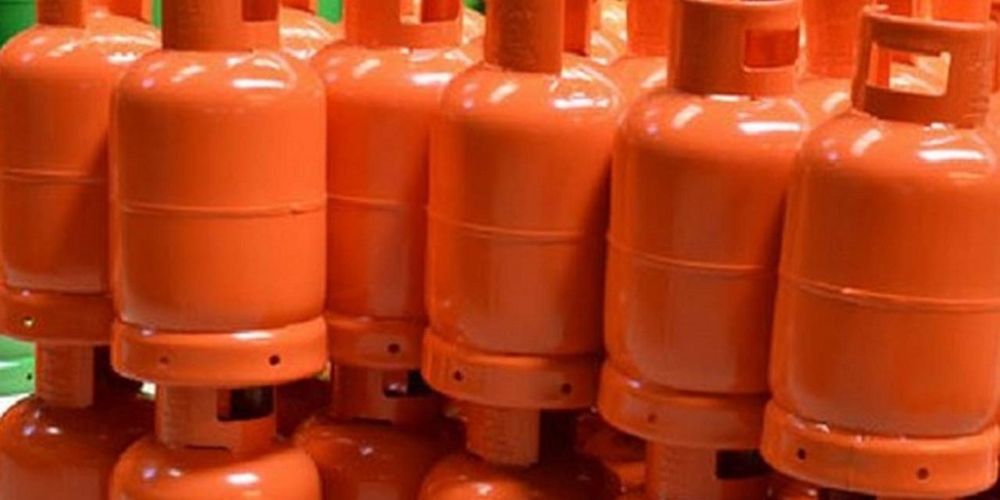
  • FG To Curb Rising Cooking Gas Prices, Orders Crackdown On Hoarding

    FG To Curb Rising Cooking Gas Prices, Orders Crackdown On Hoarding

    The Federal Government has unveiled a raft of measures aimed at stemming the recent rise in the price of liquefied petroleum gas (LPG), popularly known as cooking gas, including a directive to the Nigerian Midstream and Downstream Petroleum Regulatory Authority (NMDPRA) to intensify monitoring and work with security agencies to clamp down on hoarding and market manipulation.

    The Minister of State for Petroleum Resources (Gas), Ekperikpe Ekpo, disclosed this at an emergency stakeholders’ engagement convened to address the recent spike in LPG prices and its implications for households, businesses and the country’s clean energy transition agenda.

    Addressing operators across the gas value chain, the minister said the increase in cooking gas prices had become a matter of public welfare and economic stability, stressing that the government would not allow temporary disruptions to undermine access to clean and reliable energy.

    “When a family refills a cooking gas cylinder at a higher price, it affects the household budget. When a food vendor, restaurant or small business pays more for LPG, operating costs rise and consumers feel the effect.

    “That is why today’s engagement is not merely an industry conversation; it is a matter of public welfare, economic stability and national responsibility,” he said.

    Ekpo noted that concerns being expressed by Nigerians over the rising cost of cooking gas were legitimate, adding that the Federal Government remained committed to ensuring adequate domestic gas supply under its Decade of Gas Initiative.

    “There is no cause for panic. Government remains committed to adequate domestic gas supply and to the ‘Decade of Gas Initiative’ as a pathway for cleaner cooking, industrial growth and energy security.

    “Our message is simple: more supply, fairer distribution, stronger discipline and better outcomes for Nigerians,” he stated.

    According to the minister, the current price pressure reflects temporary supply disruptions and broader market conditions, including reduced domestic output from key suppliers and weak import volumes in recent months.

    He explained that foreign exchange volatility, rising logistics costs, infrastructure limitations and movements in international LPG prices had compounded the pressure on the domestic market, necessitating coordinated interventions across the value chain.

    Ekpo stressed that improving domestic supply and reducing dependence on imports remained critical to ensuring that Nigeria’s gas resources served the needs of local consumers first.

    He said the government’s directive prioritising Nigerian-produced LPG for domestic consumption remained central to strengthening local availability and preventing diversion of products meant for the domestic market.

    To tackle distribution bottlenecks and restore confidence in the market, the minister directed the NMDPRA to intensify surveillance and engagement with operators while collaborating with security agencies to discourage hoarding, eliminate artificial scarcity and improve pricing transparency.

    He warned that practices such as speculative storage, allocation inefficiencies and pricing distortions should not be allowed to undermine public confidence.

    “Improved supply must be matched by efficient distribution and responsible conduct. Bottlenecks, hoarding, speculative storage, allocation inefficiencies, logistics constraints and pricing distortions must not undermine public confidence,” he said.

    As part of immediate interventions, marketers have indicated their readiness to increase imports where necessary to bridge supply gaps, while expected deliveries from new domestic facilities, including the Seplat gas facility, are expected to boost supplies in the coming weeks.

    The government is also exploring a local blending initiative involving Nigeria LNG Limited (NLNG), domestic producers and the operator of the Port Harcourt plant.

    The initiative is expected to move locally produced LPG closer to consumers, reduce import dependence and logistics costs, improve supply reliability and support more stable prices.

    Ekpo urged stakeholders to focus on practical and measurable solutions that would guarantee reliable LPG supply across the country, eliminate hoarding and market manipulation, strengthen pricing transparency and encourage investments in storage, transportation and retail infrastructure.

    He said building a more resilient and competitive domestic LPG market would be critical to achieving the country’s clean energy aspirations and ensuring affordable cooking gas for millions of Nigerians.

    Presenting data on the state of the domestic LPG market, the Executive Director, Distribution Systems, Storage and Retailing Infrastructure at the NMDPRA, Ogbugo Ukoha, said planned LPG supply volumes for June are expected to exceed estimated national demand, subject to timely deliveries and efficient distribution.

    Ukoha disclosed that the NMDPRA had tightened oversight of the market and commenced an audit of off-takers lifting products from Nigeria LNG Limited and the Nigerian National Petroleum Company Limited (NNPC).

    According to him, the audit is intended to ensure more efficient distribution and pricing, amid concerns that traders currently account for a large share of product allocations while terminal operators with substantial storage and distribution infrastructure have limited access to supplies.

    He said the authority was considering expanding the number of terminal operators eligible to become direct off-takers from domestic producers to improve efficiency across the distribution chain.

    Ukoha revealed that oil marketing companies performed only 4.2 per cent of their allocated volume of 390,000 metric tonnes in the second quarter, while a supply gap of about 165,000 metric tonnes is projected for the third quarter.

    To bridge the shortfall, he said the regulator had commenced the issuance of import permits and was tracking previously issued approvals to ensure compliance and performance.

    Additional supplies are also expected from the Anoh Gas project, which is projected to commence deliveries of about 50 metric tonnes per day from July.

    He added that the authority was pursuing the domestication of Chevron’s LPG volumes and intensifying monitoring and enforcement across the supply chain.

    According to Ukoha, recent engagements involving terminal operators, domestic producers and suppliers have already yielded positive results, with LPG supply sufficiency improving from 11 days to 22 days.

    He also disclosed that profiteering by marketers was being addressed through ongoing regulatory actions.

    FG To Curb Rising Cooking Gas Prices, Orders Crackdown On Hoarding is first published on The Whistler Newspaper
  • South African Court Bars Local Pharmacy From Selling Compounded Ozempic

    South African Court Bars Local Pharmacy From Selling Compounded Ozempic

    The Gauteng Division of the High Court in Pretoria has granted Danish drugmaker Novo Nordisk an interim interdict against South African pharmacy group iDexis, barring it from manufacturing and marketing compounded weight-loss medicines containing semaglutide.

    The court ruled on Monday that iDexis and its director must immediately halt the compounding, supply, and distribution of the products pending the outcome of regulatory processes and potential review proceedings.

    Novo Nordisk, the pharmaceutical manufacturer behind the global diabetes and weight-loss brands Ozempic and Wegovy, filed the application on the grounds that iDexis was unlawfully marketing and distributing unregistered versions of the molecule.

    The Danish firm argued that the local group was competing in the high-demand weight-loss sector without complying with the statutory provisions of South Africa’s Medicines Act.

    The High Court ruling marks a significant escalation in regulatory and legal scrutiny surrounding copycat glucagon-like peptide-1 (GLP-1) drugs.

    Novo Nordisk has previously stated that its legal challenges against alternative compounders are driven by concerns regarding product quality, patient safety, and official regulatory oversight.

    The court’s decision follows a separate joint enforcement action executed last month by the South African Health Products Regulatory Authority (SAHPRA) and the South African Pharmacy Council (SAPC).

    Following an inspection of iDexis’s Pretoria facility, regulators alleged that the group was manufacturing GLP-1 and GIP-based treatments, including semaglutide and tirzepatide, for broad commercial distribution beyond the narrow legal limits permitted for bespoke patient compounding.

    During that multi-agency raid, authorities cited deficiencies in compliance and safety protocols, subsequently seizing stock and ordering a recall of the distributed products.

    Prior to Monday’s ruling, iDexis and its managing director, Ruaan Louw, robustly defended their operations. The firm maintained that its active pharmaceutical ingredients were legally imported from internationally approved manufacturers and independently verified for quality and sterility.

    In its filings, iDexis stated that it had successfully dispensed the compounded formulations to more than 214,000 patients under clinician prescriptions without any recorded material adverse reactions.

    The legal friction underscores the intense market pressures within South Africa’s healthcare sector.

    While Novo Nordisk recently reduced the domestic price of Wegovy injections to improve affordability, the high cost of original GLP-1 therapies has driven a substantial parallel market for compounded alternatives across regional pharmacies.

    South African Court Bars Local Pharmacy From Selling Compounded Ozempic is first published on The Whistler Newspaper

  • ‘We wan go’ – Nigerians stranded in South Africa protest delay in repatriation process [VIDEO]

    ‘We wan go’ – Nigerians stranded in South Africa protest delay in repatriation process [VIDEO]

    Some Nigerian nationals in South Africa, on Monday, protested against delays in repatriation flights and the processing of their return to the country following the ongoing xenophobic attacks.

    The protesters had gathered at the Nigerian High Commission in Pretoria to know their fate before staging a protest.

    In a video clip shared by News Central TV, the stranded Nigerians were heard chanting “we wan go, we no go gree.”

    DAILY POST reports that the first batch of the intended returnees had landed in Nigeria over a week ago.

    On June 11, a flight carrying 268 Nigerians landed in Lagos after leaving Johannesburg, leaving nearly 600 others behind.

    Ghana, Zimbabwe and Malawi have already carried out evacuations, ahead of a 30 June deadline set by some campaigners for undocumented migrants to leave.

    Watch video

    ‘We wan go’ – Nigerians stranded in South Africa protest delay in repatriation process [VIDEO]

  • Kastina govt gives fresh update on jobs for first-class graduates

    Kastina govt gives fresh update on jobs for first-class graduates

    The Katsina State Government has announced an update on its automatic employment policy for first-class graduates, saying the

    The post Kastina govt gives fresh update on jobs for first-class graduates appeared first on Tribune Online.

  • How Scandal, Rebellion, Poll Collapse Brought Down UK PM

    How Scandal, Rebellion, Poll Collapse Brought Down UK PM

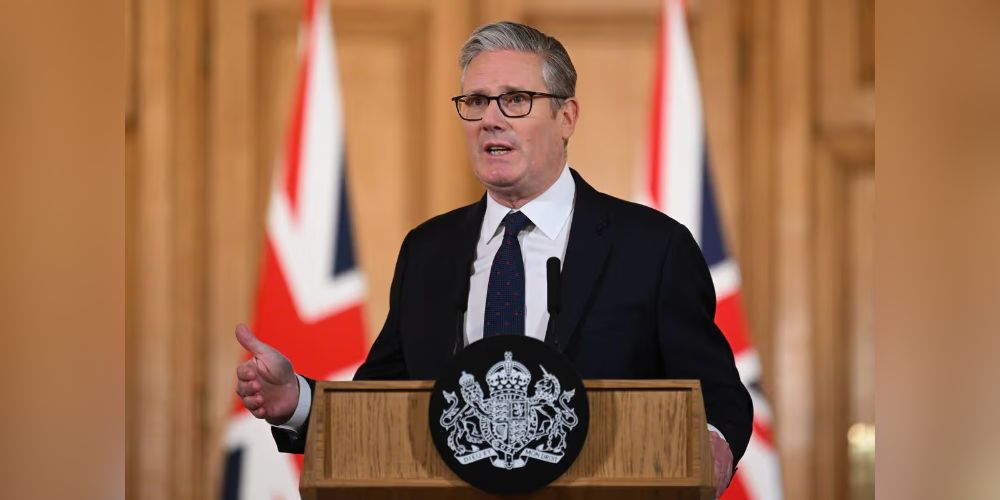
    Sir Keir Starmer’s resignation as United Kingdom Prime Minister on Monday brought a dramatic end to a tenure that began with one of the most emphatic election victories in British history and collapsed in under two years.

    Starmer defeated Rishi Sunak in the July 2024 general election, returning Labour to power after 14 years with a 174-seat majority.

    But his government was ultimately weakened by dwindling poll ratings, Labour infighting, and growing public frustration over its failure to deliver quickly on growth and the cost of living.

    The fall was not sudden, it was the product of accumulated scandals, policy failures, internal rebellion, and a final blow from within his own party.

    Critics argued that he struggled to define a clear political vision, with voters viewing him as cautious and managerial rather than a leader capable of delivering major change.

    By September 2025, only 14 per cent of people approved of his government’s record while 69 per cent disapproved.

    By January 2026, 75 per cent of the public held an unfavourable opinion of Starmer, giving him a net favourability rating of negative 57, a figure previously only matched by Liz Truss, who lasted just 49 days in office.

    No single misstep damaged Starmer more than his decision to appoint veteran Labour figure Peter Mandelson as the UK’s ambassador to the United States in December 2024.

    The scandal erupted after revelations emerged about Mandelson’s past relationship with convicted sex offender Jeffrey Epstein, triggering questions over Starmer’s judgement in selecting him for one of Britain’s most sensitive diplomatic posts.

    Documents released by a United States Congressional committee revealed new details about the depth of Mandelson’s ties to Epstein, forcing his dismissal just seven months into his tenure.

    Starmer’s Chief of Staff Morgan McSweeney resigned in February 2026, taking responsibility for advising the prime minister to make the appointment.

    Starmer admitted the appointment was a mistake and apologised, but the damage to his authority proved irreversible.

    The government also faced sustained criticism from those to its right over immigration and tax increases, while those to its left criticised its stance on the Gaza war, welfare reform, and its refusal to introduce a wealth tax.

    A 2025 immigration speech in which Starmer described Britain as an “island of strangers” drew fierce backlash from the liberal and left wings of his party, accelerating the haemorrhage of voters towards the Green Party, without winning back those drifting rightward to Reform UK.

    Labour’s poor performance in both the 2025 and 2026 local elections saw Reform UK and the Green Party make major gains across the country.

    By mid-May 2026, over 95 Labour MPs had called on Starmer to resign or set out a departure timetable, with Health Secretary Wes Streeting and four junior ministers already gone.

    In June, the crisis deepened further when Defence Secretary John Healey and two other Ministry of Defence officials quit over disputes about the government’s planned defence spending.

    In total, about 20 ministers left his government in under two years, nearly half citing a loss of confidence in his leadership.

    Starmer’s refusal to join the American military campaign against Iran, which began in February 2026, also badly damaged his relationship with US President Donald Trump.

    Though Starmer won international praise for rallying European support for Ukraine and working to mitigate the turmoil unleashed by the Iran conflict, that praise did not translate into domestic political capital.

    Trump’s public prediction of his resignation, posted on Truth Social the day before it happened, added a layer of humiliation to his final hours in office.

    The event that made Starmer’s position finally untenable was the by-election victory of former Greater Manchester Mayor Andy Burnham in the seat of Makerfield on 18 June 2026.

    The sitting Labour MP for Makerfield had resigned his seat specifically to allow Burnham to return to Parliament and mount a leadership challenge.

    Burnham won almost 55 per cent of votes cast, more than 9,000 ahead of his nearest rival from Reform UK.

    With Burnham commanding the backing of over 200 Labour lawmakers and Foreign Secretary Yvette Cooper among the cabinet ministers privately urging Starmer to go, the prime minister spent the weekend at his Chequers country retreat before concluding the game was up.

    An Ipsos poll published on the day of Burnham’s victory found that 52 per cent of Britons believed Starmer should stand down, five percentage points higher than the previous month.

    His departure makes him the sixth prime minister in ten years to stand outside 10 Downing Street and announce a premature exit, coming almost exactly ten years to the day since the United Kingdom voted to leave the European Union.

    How Scandal, Rebellion, Poll Collapse Brought Down UK PM is first published on The Whistler Newspaper
  • FULL TEXT: Starmer’s resignation speech as UK Prime Minister

    FULL TEXT: Starmer’s resignation speech as UK Prime Minister

    Keir Starmer has announced that he is stepping down as UK Prime Minister and leader….

    The post FULL TEXT: Starmer’s resignation speech as UK Prime Minister appeared first on Tribune Online.

  • FULL LIST: Meet six prime ministers who led UK in 10 years

    FULL LIST: Meet six prime ministers who led UK in 10 years

    From David Cameron’s resignation after the 2016 Brexit referendum to Keir Starmer’s exit in 2026, the UK has seen frequent changes in leadership, driven by

    The post FULL LIST: Meet six prime ministers who led UK in 10 years appeared first on Tribune Online.