Blog

  • Ballon d’Or 2026: Pogba, Lingard name player who deserve award

    Ballon d’Or 2026: Pogba, Lingard name player who deserve award

    Former Manchester United players, Jesse Lingard and Paul Pogba believe that Bruno Fernandes deserves consideration for the Ballon d’Or this year.

    Lingard also paid tribute to his ex-teammate, commending Fernandes for his approachability during their time together from 2020 to 2022.

    Since the dismissal of Ruben Amorim, Manchester United have shown significant improvement and currently sit third in the Premier League with 58 points from 33 matches.

    Fernandes has been instrumental in Manchester United’s resurgence, contributing eight goals and 19 assists in 32 matches across all competitions.

    At 31 years old, he is just two assists shy of matching the record for the most assists in a single Premier League season (20), a record held by Thierry Henry and Kevin De Bruyne.

    Despite Manchester United’s absence from European competitions this season and their struggles in other tournaments, Lingard and Pogba maintain that Fernandes should be considered for the 2026 Ballon d’Or.

    Lingard remarked to BBC Sport, “His performances at Manchester United this season have been extraordinary. He has to be up there.”

    Although Fernandes has had an outstanding individual season, it seems unlikely that he will secure the Ballon d’Or this year.

    Players such as Harry Kane, Michael Olise, Lamine Yamal, and Kylian Mbappe are arguably ahead in the rankings due to their accomplishments this season.

    However, Pogba contends that Fernandes would be a strong contender for the Ballon d’Or if he were playing for Manchester City.

    The Frenchman expressed to Rio Ferdinand (via BBC Sport), “Bruno Fernandes, in other big clubs, is in the top three Ballon D’or. Do you think Bruno, if he’s in the other team, he’s not in the top three, a Ballon d’Or player? You put him in [Manchester] City, he’s in the Ballon d’Or.

    “He’s everywhere on the pitch. He has a volume. He keeps running. He’s smart. He can play two touches, one touch. He can shoot.

    “When you don’t win, we don’t think about you.

    Ballon d’Or 2026: Pogba, Lingard name player who deserve award

  • Transfer: Nwabali linked with Tanzanian club Azam FC

    Transfer: Nwabali linked with Tanzanian club Azam FC

    Nigeria goalkeeper, Stanley Nwabali is a subject of interest from Tanzanian Premier League club, Azam FC, DAILY POST reports.

    According to Footy Africa, Azam FC are ready to battle South African club, Kaizer Chiefs for Nwabali’s signature.

    The 29-year-old left Chippa United in February after requesting for his contract to be terminated.

    The shot stopper has been unable to find a new club since leaving the Chilli Boys.

    Another South African club, Orlando Pirates have also been linked with the former Enyimba and Katsina United goalie.

    Nwabali’s future is, however, expected to be sorted out this summer.

    Transfer: Nwabali linked with Tanzanian club Azam FC

  • Nigeria considers IPv6 shift to unlock $18bn digital market

    Nigeria considers IPv6 shift to unlock $18bn digital market

    Nigeria has set its sights on a major transition in its internet infrastructure, with plans to accelerate the adoption of Internet Protocol version 6, IPv6, as part of a broader effort to tap into an estimated $18 billion digital market.

    The push was unveiled in Lagos yesterday during the inauguration of the Nigeria IPv6 Council by the Nigerian Communications Commission, NCC, a move officials said is aimed at strengthening the country’s digital backbone and preparing it for future technologies.

    Chairman of the council, Muhammed Rudman, expressed concern over the slow pace of migration from the older Internet Protocol version 4, IPv4, noting that adoption in Nigeria had stalled at about five percent over the past 13 years. This figure lags behind Africa’s average of six percent and the global level of about 40 percent.

    IPv6, a 128-bit addressing system, is designed to replace IPv4 and it offers a far larger pool of unique internet addresses.

    This capacity is considered essential for supporting the rapid growth of connected devices, including those used in the Internet of Things, as well as emerging technologies such as 5G and cloud services.

    Rudman said the council had activated a coordinated national framework to drive adoption across sectors. The plan includes a dual-stack transition model, which allows both IPv4 and IPv6 to run simultaneously, alongside measures to improve network performance, enhance security and build technical capacity.

    Under the roadmap, government networks are expected to reach 20 percent IPv6 adoption by 2027, while telecom operators are projected to attain 25 percent compliance within the same period. The target is to achieve 30 percent nationwide adoption by 2030.

    He attributed the slow transition largely to weak demand, limited awareness and the continued global availability of IPv4. According to him, many users remain indifferent to the underlying technology as long as internet access is available, reducing the pressure on service providers to upgrade.

    “Most users just want internet access. They do not care whether it is IPv4 or IPv6. That is why operators are not under pressure to migrate, even though the future depends on it,” he said.

    Executive Vice Chairman of the NCC, Dr Aminu Maida, described the transition as urgent, stressing that IPv6 had become central to Nigeria’s digital future.

    “IPv6 is no longer optional. It is a strategic necessity. The investments we make today will determine Nigeria’s digital competitiveness tomorrow,” he said.

    To support the shift, the NCC and the IPv6 Council have introduced a National IPv6 Implementation Strategy designed to accelerate deployment across public and private sectors.

    Industry observers noted that continued reliance on IPv4, often extended through Network Address Translation, has slowed progress. While this workaround allows multiple users to share a single address, it can limit performance, complicate security and restrict innovation.

    Technology expert, Chris Uwaje urged a rethink of Nigeria’s digital infrastructure, warning that dependence on outdated systems could hold back the country’s ambitions.

    “We cannot continue to depend on outdated systems while the world is moving forward,” he said.

    Nigeria considers IPv6 shift to unlock $18bn digital market

  • OAU students protest transport crisis, poor welfare, demand urgent reforms

    OAU students protest transport crisis, poor welfare, demand urgent reforms

    Students of Obafemi Awolowo University, OAU, Ile-Ife, Osun State, on Tuesday staged a protest calling for immediate action over persistent welfare and academic concerns affecting the campus community.

    The demonstration, organised by the Students’ Union, saw large numbers of students marching and chanting near the institution’s main gate in the early hours of the day.

    Video footage from the scene showed protesters carrying placards and moving in groups, while maintaining that the exercise remained peaceful throughout.

    The protest followed a resolution reached at a congress held on Monday at Awo Café, where union members approved the demonstration in response to ongoing challenges.

    In a statement jointly signed by the Students’ Union President, Adelani David, and General Secretary, Habeeb Oke Isa, the leadership stressed the commitment to non-violence.

    “The Students’ Union staged a peaceful demonstration on Tuesday, 28th April, 2026, at 6am, with the intention to block major roads and gates leading to the campus until our demands are met,” the statement read.

    It added, “The demonstration shall be conducted peacefully and in line with the known tradition of Great Ife students for orderly and non-violent protests.”

    Students were also urged to participate responsibly, with the union noting that all members of the congress should remain orderly while expressing their grievances.

    The protest comes amid growing dissatisfaction over transportation difficulties, accommodation concerns, and delays linked to the institution’s e-portal upgrade.

    In a separate statement issued on April 25, the union rejected plans to evacuate students from Awolowo Hall Blocks 7 and 8 for renovation, describing the move as poorly timed.

    “The Union categorically rejected the implementation of such an evacuation without adequate notice, proper planning, or the provision of alternative accommodation for affected students,” the statement said.

    The union criticised the ongoing e-portal upgrade, stating that many students had been unable to register courses or access academic results weeks into the semester.

    The Students’ Union reiterated its commitment to peaceful engagement, while warning that urgent intervention from the university management was required to restore normalcy.

    OAU students protest transport crisis, poor welfare, demand urgent reforms

  • Edo Deputy Speaker Blames Sabotage For Power Delays In Constituency

    Edo Deputy Speaker Blames Sabotage For Power Delays In Constituency

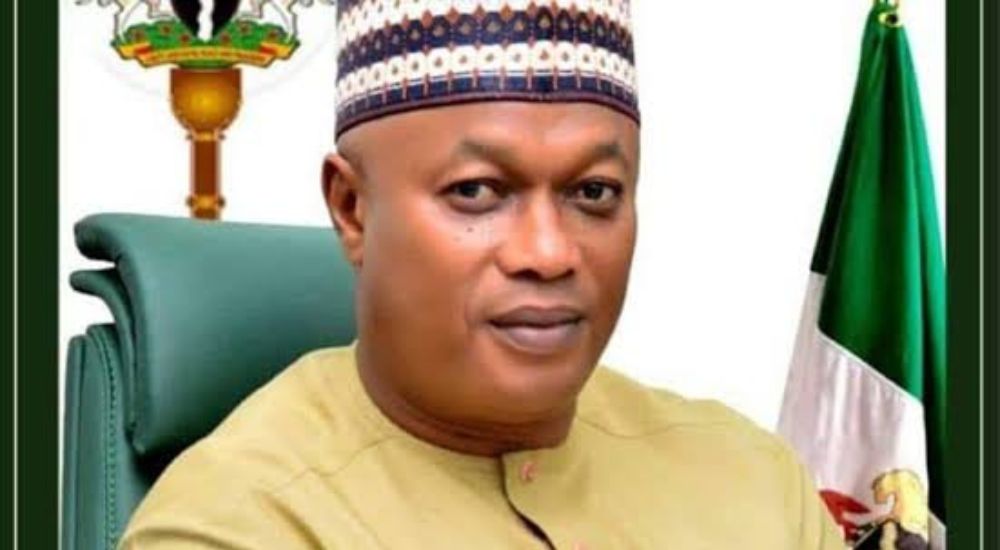
    The Deputy Speaker of the Edo State House of Assembly, Osamwonyi Atu, has attributed delays in the provision of electricity in parts of his constituency, including Abudu, to persistent infrastructure vandalism.

    ‎‎Speaking to journalists in Benin on Monday, Atu, who is a member of the All Progressives Congress, said efforts to address the long-standing power challenge in about seven communities, which he noted has lasted over 15 years, are ongoing but have been hindered by sabotage.

    ‎“I promised during my campaign that, by the grace of God, we would bring light and other development to our communities.

    ‎‎”Though my tenure is not up to three years, l have started the project, but we are facing constraints. While working, some individuals vandalise the cables,” he said.

    ‎Also, the Benin South Regional Head of Benin Electricity Distribution Company (BEDC), Henry Dafe, confirmed that the project began in 2025 and was nearing completion when thieves vandalised the copper wires, lightning arrester and galvanized pipes.

    ‎‎”The vandalism caused a severe setback to the project because it had been due for commissioning in December last year,” Edafe noted.

    However, Atu assured constituents of his commitment to the recommended work on the project to fulfil his campaign promises before the end of his tenure.

    ‎‎He also described his scorecard as “verifiable,” insisting he has executed projects across all wards in his constituency.

    ‎‎“There is no ward that I have not touched in terms of projects. I told my people to speak if I had not delivered, and they confirmed the projects were there,” he said.

    Some of his projects listed include the construction and renovation of schools, the provision of boreholes, the installation of street and solar lights, and the construction of community halls.

    ‎He specifically mentioned interventions in Abudu, Igbanke and other communities, including industrial boreholes and education support initiatives.

    ‎“I have awarded over 100 scholarships, even before becoming a member of the Assembly. Beneficiaries are in institutions like the University of Benin and other tertiary institutions,” he said.

    ‎He added that some of the beneficiaries of his scholarship schedule have graduated, while others are still in school under fully funded arrangements covering tuition, accommodation and other expenses.

    ‎“All these projects are verifiable. I will continue to give back to my people as long as I am in office,” he said.

    ‎‎The deputy speaker, who represents Orhionmwon East Constituency, also accused opposition elements of attempting to cause unrest during his recent re-election flag-off.

    ‎‎“Some members of the opposition tried to be funny by bringing a protest to our rally. We do not believe in violence. We engaged them, but they were ready to fight while we were not,” he said.

    ‎‎According to him, the situation was peacefully managed, and the flag-off proceeded successfully.

    “My supporters were happy, especially the youths, except for those from the opposition,” he said.

    Edo Deputy Speaker Blames Sabotage For Power Delays In Constituency is first published on The Whistler Newspaper

  • Deadly train collision in Indonesia leaves 14 dead, dozens injured

    Deadly train collision in Indonesia leaves 14 dead, dozens injured

    At least 14 people have been confirmed dead and dozens others injured following a major train collision near Jakarta, in what Indonesian authorities say is one of the country’s most severe rail disasters in recent years.

    The accident occurred late Monday, close to Bekasi Timur Station on the outskirts of the capital, prompting an overnight emergency response as rescue teams worked through damaged rail coaches in search of survivors.

    According to officials, the sequence of events began when a taxi became stranded at a level crossing near the station, forcing authorities to suspend approaching train movements.

    A commuter train later struck the vehicle, though no injuries were reported in that initial impact.

    However, shortly after, an intercity train carrying about 240 passengers was unable to stop in time and crashed into a commuter train that had already halted at the station, said Franoto Wibowo, spokesperson for Indonesia’s state railway operator.

    The impact caused extensive damage to several carriages, with emergency footage and images showing rescuers pulling injured passengers through broken windows and transporting others on stretchers to nearby medical facilities.

    Mohammad Syafii, head of Indonesia’s national search and rescue agency, said emergency teams worked throughout the night to locate and evacuate survivors, successfully pulling multiple passengers from the wreckage.

    Authorities confirmed that all 14 fatalities were passengers on the commuter train, while at least 84 others sustained varying degrees of injury.

    The intercity train involved in the crash was en route from Jakarta to Surabaya, one of Java’s major economic centres, at the time of the incident.

    Rail operations along the affected route remained disrupted on Tuesday as investigators began probing the circumstances of the crash, including why the intercity service failed to stop before the collision.

    Deadly train collision in Indonesia leaves 14 dead, dozens injured

  • Assessing Systemic Risk From Dominant Brokerage Players

    Assessing Systemic Risk From Dominant Brokerage Players

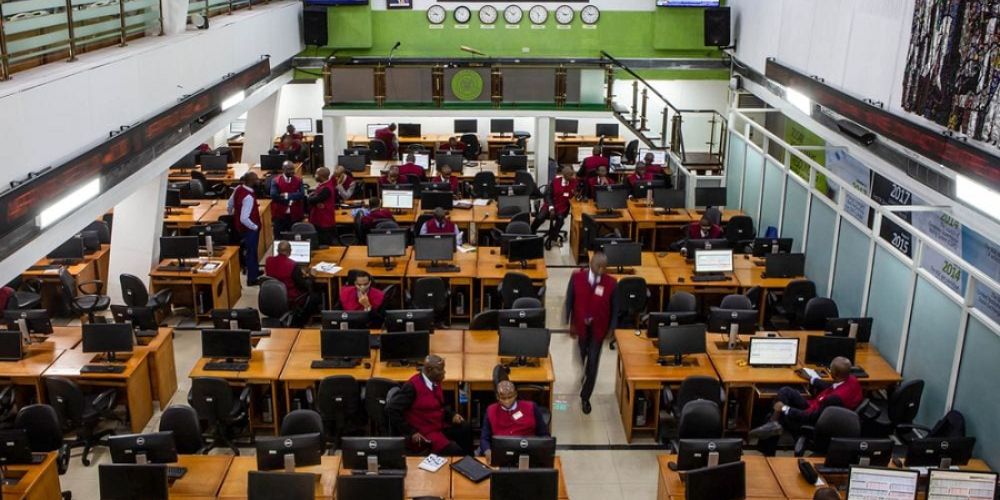
    Nigeria’s capital market presents a paradox that is becoming increasingly difficult to ignore. Despite having more than 200 registered dealing member firms, a remarkably small group of just ten brokers continues to dominate trading activity on the Nigerian Exchange Limited (NGX).

    This concentration of market power has triggered widespread concern among regulators, analysts, and market participants, particularly against the backdrop of Nigeria’s painful experience during the global financial crisis of 2007 and 2008.

    At the heart of the concern is not merely the dominance itself, but what it represents: a market structure that may be vulnerable to shocks, susceptible to manipulation, and potentially exclusionary to smaller operators and retail investors.

    With new regulatory reforms now raising capital requirements across the industry, the Nigerian capital market stands at a critical inflection point.

    The central question is whether these reforms will dilute or deepen the dominance of top brokers, and what that means for the future of the market.

    Recent trading data underscores the extent to which a handful of firms control market activity. In the first quarter ending March 31, 2026, the top ten stockbrokers accounted for transactions valued at N458.7bn, representing 66.05 per cent of the total value of equities traded on the NGX within that period.

    APT Securities and Funds emerged as the most dominant player, executing trades worth N142.4bn, equivalent to 20.49 per cent of the total market value. It was followed by Meristem Stockbrokers Limited with N70.35bn, and Cardinalstone Securities Limited with N53.26bn. Other firms in the top tier included Stanbic IBTC Stockbrokers Limited, EFG Hermes Nigeria Limited, Cordros Securities Limited, Rencap Securities (Nigeria) Limited, CSL Stockbrokers Limited, Chapel Hill Denham Securities Limited, and WSTC Securities Limited.

    In terms of trading volume, these same firms collectively handled 23.259bn shares, accounting for 52.24 per cent of total shares exchanged during the quarter. Cardinalstone Securities Limited led in volume, followed by APT Securities and Funds and Morgan Capital Securities Limited.

    These figures highlight a clear imbalance. While the market is populated by hundreds of licensed operators, the overwhelming majority of trading activity is concentrated in the hands of a select few.

    Market Influence: How Big Players Set Tone

    The dominance of these top brokers extends beyond mere numbers. Their scale and reach effectively position them as de facto market drivers. Because they manage large portfolios for institutional investors and serve as primary conduits for Foreign Portfolio Investments (FPIs), their trading decisions carry significant weight.

    Market observers note a recurring pattern: when these large firms begin to accumulate equities, bullish sentiment tends to return, driving prices upward. Conversely, when they start to offload positions and take profits, bearish sentiment quickly takes hold. This dynamic contributes to the cyclical and often volatile nature of Nigeria’s stock market.

    Such influence raises important questions about market efficiency and fairness. In a well-functioning market, price movements should reflect a broad base of participants and diverse information flows. However, when a small group of actors can significantly influence market direction, the risk of distortion increases.

    The current situation inevitably draws comparisons with the events of the 2007–2008 global financial crisis, which had a devastating impact on Nigeria’s capital market. During that period, the Nigerian Stock Exchange’s All-Share Index fell dramatically from approximately 66,000 basis points in March 2008 to less than 22,000 points by January 2009.

    The market lost over N8trn in value, representing about 70 per cent of total market capitalization. Analysts identified the mass exit of foreign investors as a key trigger for the crash. Given that the same top brokerage firms currently dominate trading activity and serve as major channels for foreign investments, the parallels are difficult to ignore.

    The concern is that a similar exodus today could have an equally severe impact, especially if market activity remains heavily concentrated. The dominance of a few firms could amplify the effects of external shocks, making the market more vulnerable to sudden downturns.

    While large brokers dominate trading volumes, regulatory data suggests that smaller, under-capitalized firms are more frequently associated with market infractions. These include unauthorized sales of client shares, misappropriation of funds, and various forms of market manipulation.

    Over a thirteen-year period from 2011 to 2023, regulators recorded 3,792 enforcement actions against trading license holders. These actions were based on numerous violations, including breaches of market rules and unethical practices. Additionally, dozens of dealing clerks and market operators have been blacklisted, and several cases have been referred to law enforcement agencies for further investigation.

    A detailed look at the report shows that in 2011, the NGX Regco carried out 257 enforcement actions against stock broking firms. This number rose to 436 in 2012 and fell slightly to 424 in 2013.

    Further details show that Regco recorded 557 enforcement actions in 2014, which rose to 608 in 2015 but fell to 328 in 2016.

    Numbers for other years were as follows: 2017 (267), 2018 (171), 2019 (167), 2020 (82), 2021 (148), and 2022 (139). In 2023 the NGX Regco recorded 208 enforcement actions against trading license holders, bringing the total to 3,792 sanctions.

    “The reduction in number of enforcement actions carried out in year 2020 was due to the regulatory concessions granted to Trading License Holder Firms in order to cushion the adverse effect of COVID-19 on their business operations,” the NGX said.

    Between January 2012 and November 25, 2024, no fewer than 37 stockbroking firms (names withheld) were involved in unauthorised sale of investors’ shares and misappropriation of investors’ funds, the report further shows.

    Most of the complaints about unauthorised sale of investors’ shares and misappropriation of investors’ funds have either been resolved, unresolved or restituted through the Investors’ Protection Fund (IPF).

    Only recently, NGX RegCo imposed significant financial penalties and corrective measures on five dealing member firms following findings of market misconduct.

    The action underscores a firmer regulatory posture aimed at safeguarding market integrity and restoring investor confidence.

    The sanctioned firms include CSL Stockbrokers Limited, Cowry Securities Limited, Meristem Stockbrokers Limited, SMADAC Securities Limited, and Associated Asset Managers Limited.

    The brokerage firms were found to have engaged in practices including alleged market manipulation, wash trades, self-matching transactions, artificial price formation, and dissemination of misleading market activity signals.

    CSL Stockbrokers received the heaviest penalty, fined N91.29m, while the other four firms were each fined N50m pursuant to Section 139(2)(d)(ii) of the Investments and Securities Act (ISA) 2025.

    In addition to monetary sanctions, all five entities are required to undergo mandatory compliance and market conduct training, an indication of regulatory emphasis on behavioural correction alongside punitive enforcement.Market data analysis

    The Board of NGX RegCo ratified the sanctions on 27 March 2026, following Investigation Panel hearings conducted on 25 February and 17 March 2026.

    Former Group Chief Executive Officer of the NGX, Mr. Oscar Onyema, had previously attributed many of these infractions to the limited capacity of smaller brokers. According to him, such firms often lack the financial strength and operational infrastructure required to conduct business in a compliant and sustainable manner.

    This perspective highlights a structural imbalance within the market: while large firms dominate trading activity, smaller firms contribute disproportionately to compliance risks.

    Strengthening Oversight: A More Assertive Regulatory Approach

    In response to these challenges, regulators have intensified efforts to improve transparency and enforce compliance. Initiatives such as BrokerTraX have been introduced to provide investors with access to the compliance history of brokerage firms, enabling more informed decision-making.

    Recent enforcement actions further demonstrate a shift toward stricter oversight. Several brokerage firms have been sanctioned for engaging in practices such as wash trades, self-matching transactions, and artificial price formation. These actions are intended to deter misconduct and reinforce the integrity of the market.

    At the same time, regulators have emphasized the importance of aligning Nigeria’s capital market with global best practices. This includes enhancing surveillance systems, strengthening internal controls, and promoting a culture of compliance among market participants.

    A central pillar of ongoing reforms is the introduction of new capital requirements for market operators. Under the revised framework, brokerage firms are required to maintain significantly higher capital bases, depending on the scope of their operations.

    Brokers offering client execution services must now maintain a minimum capital base of N600m, up from N200m. Firms engaged in proprietary trading are required to hold N1bn, while full-service broker-dealers must meet a threshold of N2bn, a substantial increase from the previous requirement of N300m.

    These changes reflect a broader regulatory objective: to enhance the financial resilience of market operators, reduce systemic risk, and ensure that firms have the capacity to meet their obligations in a dynamic and increasingly complex financial environment.

    From the perspective of industry operators, the current dynamics present both opportunities and challenges. The Managing Director of Crane Securities Limited, Mr. Eze, in an exclusive interview with THE WHISTLER, offered a detailed assessment of the situation, emphasizing the structural implications of broker dominance and regulatory reform.

    According to him, the ten dominant firms have built their position largely due to their diversified client base, which includes foreign portfolio investors, local institutional investors, and high-net-worth individuals. This broad reach allows them to command significant market share and influence.

    However, he expressed concern that this dominance is gradually transforming the Nigerian capital market into one characterized by imperfect competition. In such an environment, a few large players effectively dictate market conditions, potentially crowding out smaller firms and limiting competition.

    Eze acknowledged that the recapitalisation policy aligns with the broader objective of building a stronger and more credible financial system. He noted that the previous capital thresholds were insufficient for the scale of transactions now taking place in the market. As companies grow larger and transactions become more complex, brokers must have the financial capacity to support them.

    He argued that while capital market operators do not face the same types of risks as banks or insurance companies, the need for stronger capital bases is nonetheless justified. A well-capitalized brokerage sector enhances confidence among global investors and positions Nigeria more competitively in the international financial system.

    At the same time, he cautioned that the transition to a more capital-intensive market structure could have unintended consequences. One of the most immediate impacts is likely to be consolidation, as smaller firms struggle to meet the new requirements. This could lead to mergers, acquisitions, and, in some cases, the exit of firms from the market.

    Such consolidation, he noted, may result in job losses and temporary disruptions, particularly as firms restructure their operations. He drew parallels with other sectors where technological and structural changes have led to workforce adjustments.

    Perhaps most importantly, Eze highlighted the risk of reduced access for retail investors. He warned that larger firms may prioritize high-value clients, potentially imposing higher minimum investment thresholds that could exclude smaller investors. This could widen the gap between institutional and retail participation in the market.

    He emphasized the critical role that smaller brokers play in reaching underserved communities and promoting financial inclusion. These firms often serve as the primary link between the capital market and investors in rural and semi-urban areas. Their potential disappearance could create a significant gap in market access.

    In his view, a balanced approach is necessary, one that strengthens the market without sacrificing inclusivity. He expressed optimism that regulators would continue to refine the policy to achieve this balance.

    Industry experts, including first Professor of Capital Market, Uche Uwaleke, widely expect that the new capital requirements will accelerate consolidation within the brokerage sector. As weaker firms struggle to raise capital, mergers and strategic partnerships are likely to become more common.

    “This is likely to accelerate consolidation, which appears to be the intended policy outcome,” Uwaleke observed.

    “If well managed, consolidation could enhance market stability, improve service quality and strengthen investor confidence. Poorly managed, it could trigger disorderly exits, job losses and short-term disruptions.

    The success of the new capital order will ultimately hinge on how the SEC implements it. Clear and early guidance on compliance modalities is essential, particularly on what qualifies as eligible capital, how group structures will be treated and the mechanics of capital verification,” he said.

    Uwaleke recommends a phased or tiered approach, with interim milestones that allow both regulators and operators to track progress. Experience from other jurisdictions suggests that such milestones help distinguish between firms making genuine good-faith efforts and those simply delaying the inevitable.

    Equally important is regulatory agility. Fast-tracked approvals for mergers, acquisitions and strategic investments could make the difference between orderly consolidation and chaotic market exits. Limited regulatory forbearance for firms that demonstrate credible progress toward compliance without diluting standards, could also improve overall outcomes

    While consolidation can lead to stronger and more efficient institutions, it also carries risks. If not managed carefully, it could result in excessive concentration, reduced competition, and potential systemic vulnerabilities.

    The challenge for regulators will be to guide this transition in a way that preserves market stability while fostering innovation and inclusivity.

    Nigeria’s capital market is undergoing a period of significant transformation. The dominance of a small group of brokers, combined with structural weaknesses and regulatory challenges, has created a complex landscape that demands careful navigation.

    The introduction of new capital requirements represents a bold attempt to address these issues and build a more resilient and globally competitive market. However, the success of these reforms will depend on their implementation and the ability of stakeholders to adapt to the changing environment.

    Ultimately, the goal is to create a market that is not only efficient and robust but also inclusive and accessible. Achieving this balance will be critical to ensuring the long-term sustainability and growth of Nigeria’s capital market.

    Assessing Systemic Risk From Dominant Brokerage Players is first published on The Whistler Newspaper

  • Cleric Rejects Western Education, Advocates Islamic Schools

    Cleric Rejects Western Education, Advocates Islamic Schools

    A controversial statement by an Ilorin-based Islamic cleric has triggered widespread reactions after he reportedly declared that modern Western education is no longer relevant and urged parents to withdraw their children from conventional schools in favor of Arabic institutions.

    The cleric, identified as Sheikh Hamad Labeeb made the remarks during a gathering saying “Western education has lost its value in shaping responsible children. Parents should focus on Arabic and Islamic schools where children can learn proper morals and religious principles.”

    The statement has since sparked intense public debate, with many Nigerians expressing concern about its potential implications for child development and national progress.

    Education advocates and civil society groups strongly criticized the comments, describing them as misleading and dangerous in a country already grappling with high rates of out-of-school children.

    A Kwara-based education consultant, warned that dismissing formal education could further worsen poverty and unemployment.

    Also, @kayode said “he traveled to the UK last year or 2024, he did not carry the heavy load of sin on his head oo! The same man now says “iwe o ta mo” check his family, graduates go dey plenty. Hypocrites.”

    @alayo said that “Education helps you get better jobs, earn more money, and understand life better. It builds confidence, improves decision-making, and makes you independent. It also opens more opportunities and helps you grow in life.”

    @ Rasheeda also commented that “Religious education is important, but completely rejecting formal education is harmful. Children need balanced learning that prepares them for both spiritual and economic realities,” she said.

    @emmyray said “In this AI & digital generation? Even though u’re unable to secure a good job, education is the best.”

    @olayinka said “The phone and TikTok he’s using is a product of education stop misleading people”

    Some Islamic scholars also distanced themselves from the cleric’s position, arguing that Islam encourages the pursuit of knowledge in all beneficial forms, including science, technology, and modern academics.

    However, the cleric traveled to the UK last year to enjoy the benefits of a developed society, an opportunity made possible through education. His journey raises questions about the contradiction in dismissing modern education as irrelevant while personally benefiting from the knowledge, systems, and global access it provides.

    Social media platforms were flooded with mixed reactions, with many users calling for a balanced integration of religious and conventional education rather than an outright rejection

    Cleric Rejects Western Education, Advocates Islamic Schools is first published on The Whistler Newspaper

  • Maduka University Enugu, ICAN to Partner for Creativity, Industrial Growth, Leadership, Entrepreneurship

    Maduka University Enugu, ICAN to Partner for Creativity, Industrial Growth, Leadership, Entrepreneurship

    Maduka University, Ekwegbe, Nsukka, and the Institute of Chartered Accountants of Nigeria (ICAN) are set to forge a strategic partnership aimed at promoting creativity, industrial growth, leadership, and entrepreneurship.

    This was the focus on Wednesday when the President of ICAN, Mallam Haruna Nma Yahaya, led a high-powered delegation to the university to explore collaborative opportunities that would deepen academic excellence and professional relevance.

    Yahaya, accompanied by Council members, the Registrar, and other officials of the Institute, was at the university as part of activities marking the 20th Eastern Zonal Accountants’ Conference held at the University of Nigeria, Nsukka (UNN).

    Receiving the delegation, the Vice-Chancellor of Maduka University, Professor Charles Ogbulogo, expressed appreciation for the visit, describing it as timely and significant for a university he said is “on a journey of discovery” with a clear focus on entrepreneurship, leadership, and national development.

    Speaking on the theme “Entrenching Industrial Training at Maduka University,” Ogbulogo emphasized the institution’s commitment to hands-on learning, noting that the university prioritizes practical exposure to prepare students for real-world challenges, alongside the development of both technical and soft skills across diverse fields including publishing, medicine, petroleum, and mechanical industries.

    The Vice-Chancellor further highlighted the university’s four cardinal pillars—Academic Excellence, Estate Development, Teaching Hospital, and Industrial Entrepreneurship—while reiterating the vision of the Founder and Chancellor, Dr. Samuel Maduka Onyishi, to positively impact society through education, agriculture, healthcare, and technology.
    Ogbulogo stressed the importance of partnering with ICAN, assuring the Institute of the university’s readiness for meaningful collaboration.

    He also underscored the need to promote ICAN-related activities on campus to foster creativity, leadership, and entrepreneurial capacity among students.

    Commending ICAN for its role in producing highly skilled professionals, he acknowledged the Institute’s contributions to governance, accountability, and national development, pledging the university’s support in encouraging staff and students to actively participate in ICAN programmes as part of its vision to build a purpose-driven institution.

    Responding, ICAN President Yahaya expressed appreciation for the warm reception and commended the university’s rapid development, noting that its achievements in infrastructure, learning environment, and institutional integrity within less than three years demonstrate purposeful leadership.

    “Maduka University stands as a compelling reminder that impact is not a function of age, but of purpose,” he said, adding that “wealth finds its true meaning when invested in people.”

    Yahaya emphasized ICAN’s role as a driver of professionalism, accountability, and transparency, describing the Institute as “a pillar of national development.” He noted a strong alignment between ICAN and Maduka University, particularly in their shared commitment to entrepreneurship and innovation.

    He outlined potential areas of collaboration to include curriculum development aligned with global standards, integration of emerging fields such as digital finance, sustainability reporting, and forensic accounting, as well as structured mentorship and industry exposure for students.

    The ICAN President also encouraged the university to leverage the Institute’s expertise in areas such as the development of its Accountancy programme, accreditation processes, and broader academic and professional partnerships.

    Maduka University Enugu, ICAN to Partner for Creativity, Industrial Growth, Leadership, Entrepreneurship

  • EPL: It’s paying off – Sesko thanks Man Utd captain Bruno Fernandes

    EPL: It’s paying off – Sesko thanks Man Utd captain Bruno Fernandes

    Manchester United striker, Benjamin Sesko, has thanked teammate, Bruno Fernandes following the team’s Premier League 2-1 win against Brentford on Monday.

    Sesko appreciated the Portuguese star for providing him with an assist against Brentford, adding that their training together is now paying off.

    Two goals from Sesko and Casemiro gave Michael Carrick’s side all three points against The Bees at Old Trafford.

    Following the outcome of the game, Man United sits in 3rd position on the Premier League table behind Man City and Arsenal.

    Speaking after the game, Sesko said, as quoted by Fabrizio Romano, “Thank you, captain.

    “Bruno Fernandes and I work a lot in training, and it is paying off. Knowing I have a team-mate with this quality is a pleasure, and I have to use it.”

    EPL: It’s paying off – Sesko thanks Man Utd captain Bruno Fernandes