Blog

  • Federal lawmaker Taura loses return ticket as Jigawa APC adopts consensus candidates

    Federal lawmaker Taura loses return ticket as Jigawa APC adopts consensus candidates

    The member representing Ringim and Taura Federal Constituency, Hon. Sa’adu Wada Taura, has lost his bid to secure a return ticket ahead of the next election cycle following the adoption of a consensus arrangement by stakeholders.

    Hon. Taura was edged out by Hon. Yusha’u Muhammad, who emerged as the preferred candidate after a screening process coordinated by a committee inaugurated by Governor Umar Namadi.

    The committee was tasked with assessing aspirants and narrowing the field to three before a final consensus candidate was selected. Findings indicate that no fewer than eleven aspirants had initially expressed interest in contesting the seat.

    The developments come amid growing discontent within the constituency over recent actions by Hon. Taura.

    The federal lawmaker had earlier faced a backlash after publishing a list of constituents who allegedly received financial support from him since assuming office in 2023. The move sparked outrage, with some beneficiaries rejecting the disclosure and returning the funds to his personal account.

    Meanwhile, the member representing Ringim Constituency in the Jigawa State House of Assembly, Hon. Aminu Sule Sankara, has also lost his return ticket.

    He was replaced by Hon. Hamza Muhammad Ustaz, who emerged through the same consensus process.

    Federal lawmaker Taura loses return ticket as Jigawa APC adopts consensus candidates

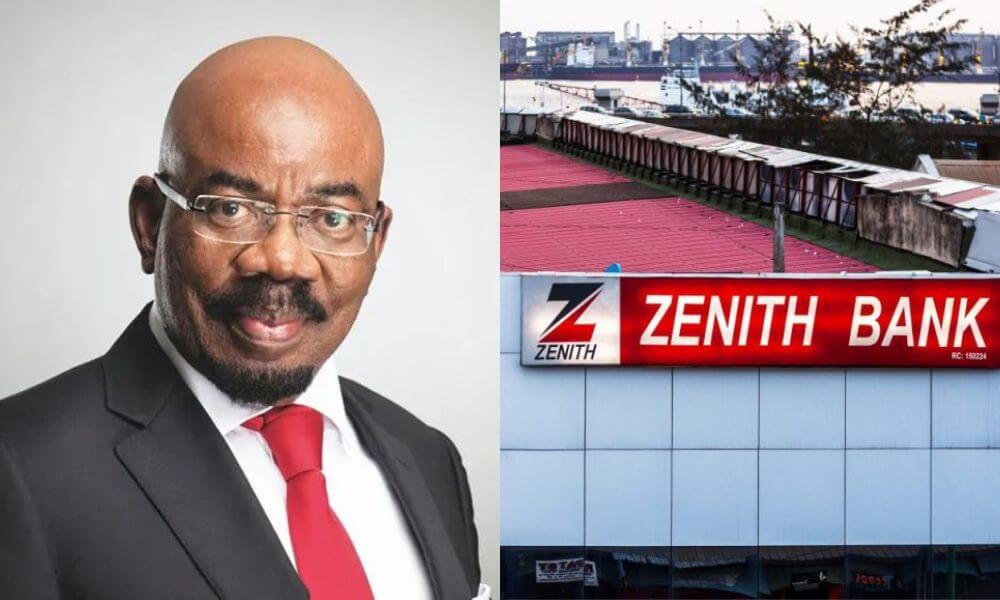
  • From Vision To Legacy: Jim Ovia’s Exit & Next Chapter For Zenith Bank

    From Vision To Legacy: Jim Ovia’s Exit & Next Chapter For Zenith Bank

    The retirement of Jim Ovia as Chairman of Zenith Bank is one of those moments that invites both reflection and optimism. Reflection, because it marks the end of an era defined by vision, discipline, and institution-building; and optimism, because it opens a new chapter for a bank that has already proven its resilience and capacity for reinvention.

    If one takes a close look at the trajectory of Zenith Bank, it is difficult not to acknowledge the sheer weight of Ovia’s contribution. Here is someone who started with relatively modest capital in 1990 and built, over three decades, what is now widely regarded as Nigeria’s largest bank by Tier 1 capital.

    That did not happen by chance. It was the product of a very deliberate philosophy- one that prioritized strong corporate governance, capital adequacy, operational efficiency, and, importantly, early investment in technology at a time when many competitors treated it as optional.

    What stands out about Jim Ovia’s leadership is not just the scale of the bank today, but the discipline that underpinned its growth. In an environment that is often characterized by volatility, regulatory shifts, and macroeconomic uncertainty, he resisted the temptation for reckless expansion.

    Instead, he built systems: strong internal controls, infrastructure independence, and a governance culture that allowed the institution to absorb shocks and keep moving forward. That is why Zenith Bank did not just grow; it endured and compounded value over time.

    I note that even in his role as Chairman over the last decade, after his earlier tenure as CEO, he maintained that same clarity of purpose- providing strategic direction without overstepping into executive functions, and reinforcing governance standards that strengthened the bank’s reputation locally and internationally.

    His exit, in compliance with Central Bank of Nigeria guidelines, also reinforces an important point: strong institutions are bigger than individuals, and sustainability depends on respecting frameworks that ensure continuity.

    Turning to the appointment of his successor, Mustafa Bello, the board has made a thoughtful and reassuring choice. His long tenure on the board, coupled with his experience in both public service and investment promotion, gives him a deep understanding of governance, policy, and strategic oversight. Continuity is clearly the intention here- not disruption- and that is exactly what a bank of Zenith’s stature requires at this stage.

    That said, continuity should not mean complacency. If anything, this transition presents an opportunity to consolidate Zenith Bank’s leadership while positioning it more aggressively for the future. For the new Chairman, a few priorities should stand out:
    First, sustaining the culture of strong governance must remain non-negotiable. Zenith Bank’s brand has been built as much on trust and discipline as on profitability. In today’s global financial system, where regulatory scrutiny is intensifying, governance is not just a compliance issue- it is a competitive advantage.

    Second, there is a need to deepen the bank’s technology edge. Jim laid a strong foundation in this regard, but banking is evolving rapidly with fintech disruption, artificial intelligence, and digital currencies reshaping the landscape.

    The next phase should not just be about adopting technology, but about leading innovation- particularly in Africa, where financial inclusion and digital banking still present enormous opportunities.

    Third, regional and international expansion should be approached with the same prudence that has defined Zenith’s history. The bank has already made strategic moves into key global financial centres; the challenge now is to scale those operations sustainably while maintaining profitability and risk discipline.

    Fourth, stakeholder value creation must remain central. Zenith Bank’s success has always been tied to its ability to deliver consistent returns to shareholders while maintaining customer confidence. Balancing these interests in a more complex economic environment will require careful judgment and foresight.

    Finally, I would advise the new Chairman to see himself not just as a custodian of a legacy, but as a steward of transformation. Great institutions evolve. The real test of leadership is not preserving what exists in its current form, but strengthening it for what lies ahead.

    All said, Jim Ovia has done the hard part in many ways- building a solid, resilient, and highly respected financial institution. The task now is to take that foundation and elevate it even further. If the same discipline, strategic clarity, and commitment to excellence are maintained, Zenith Bank is well positioned not just to remain a leader in Nigeria, but to become an even more influential player on the global stage.

    As Jim Ovia steps into a new chapter, one can only wish him continued impact and fulfillment, confident that his legacy will keep shaping Nigeria’s financial landscape for years to come.

    -Prof Uche Uwaleke is the Director of the Nasarawa State University Institute of Capital Market Studies and President of the Capital Market Academics of Nigeria

    From Vision To Legacy: Jim Ovia’s Exit & Next Chapter For Zenith Bank is first published on The Whistler Newspaper

  • Estate surveyors seek laws to curb land grabbing in Osun

    Estate surveyors seek laws to curb land grabbing in Osun

    The Osun State Branch Chairman of the Nigerian Institution of Estate Surveyors and Valuers, NIESV, ESV Olusola Jibril Adebiyi, has called for urgent government intervention to tackle the menace of land grabbers, popularly known as “Omo onile”, in the state.

    Adebiyi made this call while fielding questions from journalists on the sidelines of the commencement of activities to mark the NIESV 2026 Valuation Day held in Osogbo on Tuesday with the theme: “Unlocking Nigeria’s Wealth: How Valuation Builds Our Prosperity”.

    Stressing the need for both state and federal governments to enact policies and laws to curb the trend, he said, “When it comes to landed property, the menace of Omonile is still a factor in Nigeria. That is what we experience in these days of a monetised economy.”

    Explaining the origin of the practice, he noted that disputes often arise from lands previously acquired by government, with compensation paid decades ago to original owners.

    “The descendants, the younger ones of such families, will now come up claiming entitlement to land genuinely acquired by government from their forefathers,” he said.

    He added that the practice had escalated into extortion, with individuals invading construction sites and demanding payments from developers and investors.

    The NIESV chairman emphasised that legislative action was necessary to address the situation and discourage unprofessional practices in land transactions and also called on traditional rulers and community leaders to take responsibility in addressing the issue within their domains.

    “So we need government intervention in this regard. Both state and federal governments need to create enabling policies and make laws that will restrict this menace and curb the bad habit we find in our midst,” he said.

    “The obas and chiefs equally have a role to play. If the communities take the bull by the horns and do the needful, in collaboration with government, this bad habit can be stopped,” he added.

    Speaking on the significance of Valuation Day, Adebiyi said the event was aimed at sensitising the public on the importance of engaging certified estate surveyors and valuers.

    He expressed concern that many property owners still prefer to deal with unqualified agents rather than licensed professionals.

    “The essence of today’s programme is to sensitise the public to know the difference between non-professionals, called quacks, and the real professionals licensed to practise estate surveying and valuation in Nigeria,” he said.

    He warned that individuals not certified by the Estate Surveyors and Valuers Registration Board of Nigeria, ESVARBON, remain unqualified to carry out valuation services, regardless of their educational background.

    “Lawyers are not exempt. No matter how learned you are, if you are not licensed by ESVARBON, you are still a quack,” he said.

    In his remarks, the immediate past chairman of the Osun NIESV, ESV Adedoye Adekunle, said the annual Valuation Day was designed to highlight the role of professionals in property management.

    He noted that the initiative also aims to discourage the patronage of quacks, whom he blamed for unethical practices and inflated housing costs.

    “There is a big difference between estate surveyors and valuers and estate agents. We are professionally trained and regulated by the board,” Adekunle said.

    He added that members of the profession operate under strict ethical standards, warning that any erring practitioner risks losing their licence, stamp and seal.

    Also speaking, Dr Olusegun Omisore, Director of Lands at the Osun State Ministry of Lands and Physical Planning, identified poor land records as a major challenge facing the profession.

    He said, “You do not just compute valuation without data. You need to go into records, and where there is no database, everyone acts in isolation, leading to inconsistent valuation reports.”

    Omisore highlighted weak enforcement of professional standards, corruption, and political interference as additional obstacles affecting effective valuation practice in the country.

    Estate surveyors seek laws to curb land grabbing in Osun

  • ‘ADC Is Dying’ – Akpabio Mocks Amid Fresh Defections

    ‘ADC Is Dying’ – Akpabio Mocks Amid Fresh Defections

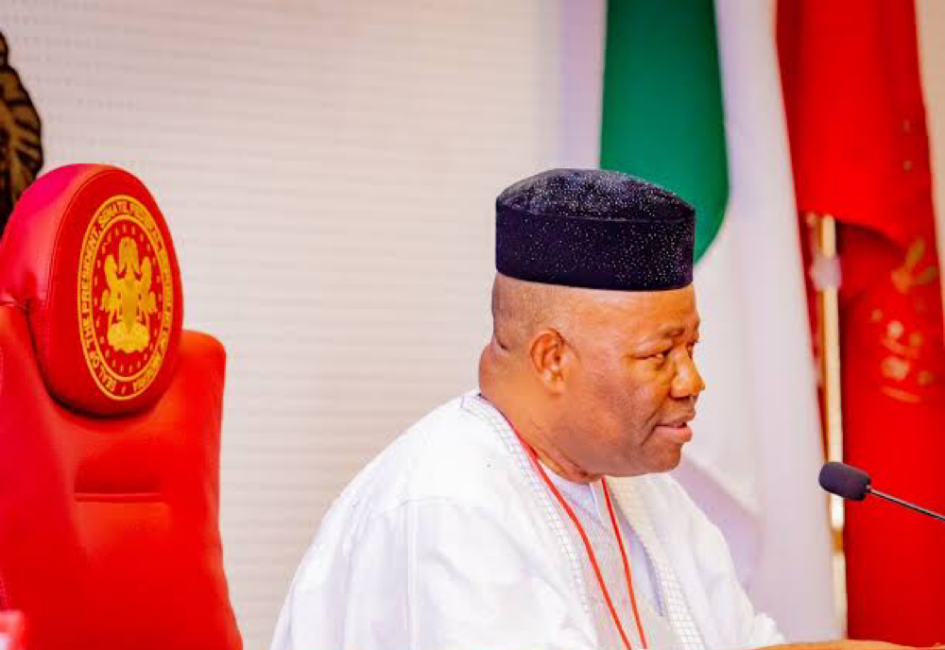
    Senate President, Godswill Akpabio, has taunted the coalition seeking to unseat President Bola Tinubu, saying the wave of defections from the African Democratic Congress (ADC) is an indication that the party is dying.

    He said this while reading the defection letter of some members of the ADC at the red chamber.

    Akpabio, who first read the letter from Senator Eyinnaya Abaribe, who defected from the ADC to the Labour Party, asked all those leaving the party to send in a single letter to avoid a situation where the Senate would have to repeatedly go over the process.

    His remarks sparked laughter at parliament. Making a direct reference to Abaribe, Akpabio said, “Senator, I should be asking you, ‘How many times have you defected in a month?’

    The development comes amid a fresh round of political realignments, with at least 17 lawmakers defecting from the ADC to the NDC during Tuesday’s sitting, among others.

    ‘ADC Is Dying’ – Akpabio Mocks Amid Fresh Defections is first published on The Whistler Newspaper

  • ‘We Built This Party’ — Kano NDC Rejects Kwankwaso

    ‘We Built This Party’ — Kano NDC Rejects Kwankwaso

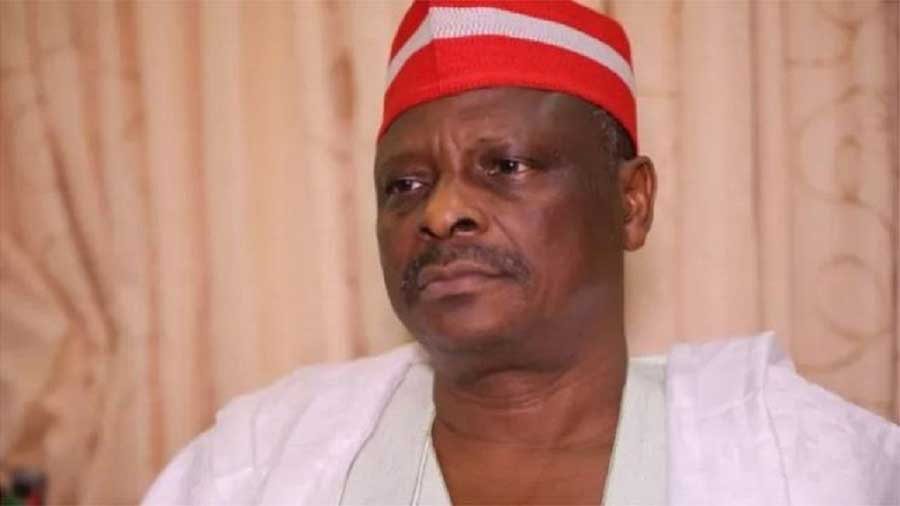
    The Kano State chapter of the Nigeria Democratic Congress is in turmoil after the party’s chairman, Usaini Isa Mai Riga, openly rejected moves to hand control of the party structure to former governor Rabiu Musa Kwankwaso, who joined the NDC on Sunday alongside Labour Party’s 2023 presidential candidate Peter Obi.

    Mai Riga has vowed to resist any attempt to displace the existing executives.

    Speaking in an interview with THE WHISTLER in Kano, Mai Riga said two separate meetings convened to integrate Kwankwaso into the party broke down over disagreements on leadership arrangements, with the former governor reportedly insisting on full control of the party structure.

    “He wants us to hand over the entire party to him, despite the sacrifices we made when the party had little or no presence,” Mai Riga said, adding that the current leadership would pursue all lawful avenues to prevent a takeover.

    The chairman further alleged that the NDC’s national leadership directed the suspension of the planned state congress in Kano — while similar congresses proceeded in other states — to pave the way for Kwankwaso’s takeover.

    He said the directive was the reason he was absent from the congress venue.

    Mai Riga also noted that Kwankwaso had yet to formally engage the state executive committee since arriving in Kano on Monday, delegating discussions instead to former deputy governor Aminu Abdussalam.

    However, the Kwankwasiyya Movement pushed back on the allegations.

    Spokesperson Mansur Kurugu said that neither Kwankwaso nor his followers joined the NDC to seize structures, but to grow the party.

    He said the national leadership’s decision to halt the congress was routine and that the exercise would proceed in due course.

    “Of course you don’t expect somebody like Kwankwaso to join any party and you say he won’t have a say in it in his state,” Kurugu said.

    “But the chairman should calm down — state congress will be held and everyone will get what he deserves.”

    Kwankwaso is expected to hold consultations with close allies in Kano to deliberate on electoral strategies ahead of the 2027 general elections.

    ‘We Built This Party’ — Kano NDC Rejects Kwankwaso is first published on The Whistler Newspaper

  • DisCos Lost N45.6bn Revenue In 28 Days – Report

    DisCos Lost N45.6bn Revenue In 28 Days – Report

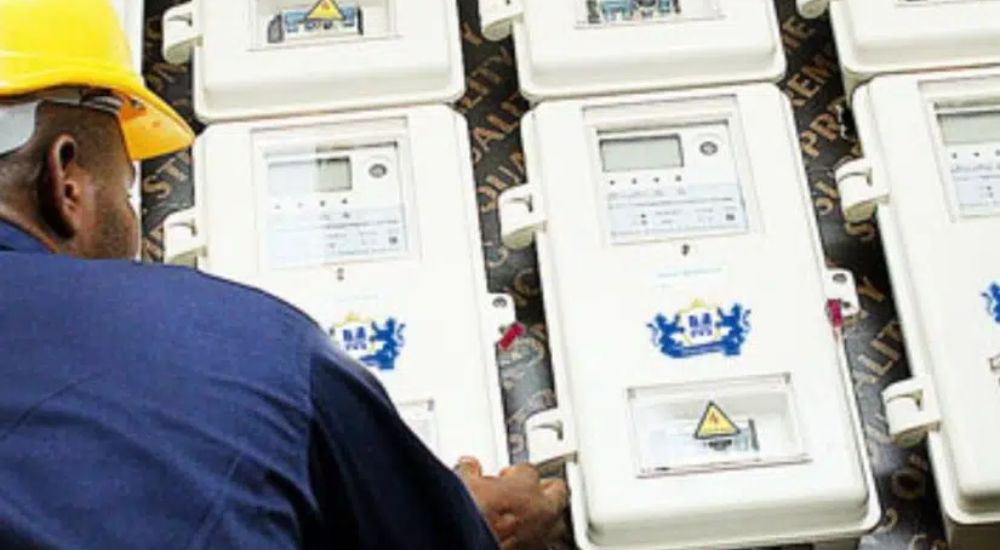
    Nigeria’s electricity distribution companies (DisCos) recorded a total billing of N242.29bn in February 2026 but collected N196.68bn, according to a new factsheet by the Nigerian Electricity Regulatory Commission (NERC).

    According to the new fact sheet released on Tuesday, the collection efficiency has resulted in a revenue shortfall of approximately N45.61bn.

    The data shows an overall collection efficiency of 81.17 per cent, indicating that nearly one-fifth of billed revenue was not recovered within the period under review.

    Among the 11 DisCos, Abuja led revenue recovery with N38.65bn collected out of N43.29bn billed, achieving a strong 89.28 per cent collection efficiency.

    The data also revealed that the Eko DisCo followed closely, posting N33.96bn in collections from N36.08bn in billing, with 94.12 per cent efficiency. It recorded the highest in this category.

    Also, Ikeja DisCo delivered a solid performance, collecting N35.11bn out of N40.89bn billed (85.88 per cent), while Benin recorded N15.97bn collections from N18.36bn billed (86.95 per cent), during the period.

    The factsheet stated that Port Harcourt (PH) and Yola Discos showed commendable improvements, posting 84.04 per cent and 84.89 per cent collection efficiencies respectively, despite lower absolute revenue figures.

    During the period under review, Kaduna DisCo posted the weakest collection efficiency at just 49.27 per cent, recovering only N5.19bn from N10.53bn billed, leaving a deficit of over N5bn.

    According to NERC, Kano Disco also struggled to collect N8.08bn from N12.94bn (62.49 per cent), while Enugu and Ibadan recorded 67.73 per cent and 72.47 per cent efficiencies respectively, reflecting significant revenue leakages.

    It added that Jos DisCo, despite a relatively low revenue base, showed notable improvement with a 71.30 per cent collection efficiency, boosted by a strong month-on-month gain.

    On the billing side, total energy received stood at N277.09bn, with N242.29bn successfully billed, translating to an overall billing efficiency of 87.44 per cent.

    The factsheet stated that Kano DisCo led in billing efficiency at 99.04 per cent, followed by Eko at 97.20 per cent and Abuja at 93.70 per cent. Enugu and Ikeja also posted strong figures above 90 per cent.

    At the lower end, Yola recorded the weakest billing efficiency at 66.09 per cent, while Kaduna (72.46 per cent), Ibadan (77.41 per cent), and Jos (77.99 per cent) also lagged.

    In terms of revenue recovery, which was measured by actual collection relative to allowed tariffs, Eko Discos emerged as the only DisCo exceeding 100 per cent, posting 100.67 per cent recovery efficiency.

    Abuja followed with 95.13 per cent, while Ikeja posted 85.83 per cent, all falling within the high-performance bracket.

    Kaduna Discos again ranked lowest, with a recovery efficiency of just 41.20 per cent, highlighting deep structural challenges in revenue realisation.

    Ibadan (64.21 per cent), Jos (66.29 per cent), and Kano (70.78 per cent) also underperformed.

    Meanwhile, the Abuja Electricity Distribution Company (AEDC) has notified its customers of a planned maintenance by the Transmission Company of Nigeria (TCN).

    The maintenance will be carried out on the 100 Mega Volt Ampree (MVA) TR3 at the Apo 132 Kilo Volt (KV) Transmission Substation.

    The company which said that the maintenance would take place between 10:00 am and 2:00 pm on Tuesday gave the notification on its Twitter handle.

    According to AEDC the planned maintenance is being carried out by TCN as part of its network upgrade and reliability improvement efforts.
    It added that during the period, electricity supply to the affected areas would be impacted.

    The areas it said include Bolingo Hotel,  News Agency of Nigeria (NAN), the Turkish, Sudan, Egypt Embassies, Envoy Hotel, European Union, National Planning Commission, National Hospital, Pakistan, India Embassies, Garki Area 1, 2, 3, 7 and 8, Garki Village, and Garki Market.

    Others areas are Ubiaja Street, Kaltungo Street, Lagos Street, Oka Akoko Street, Treasury House, Karibu Hotel, Oke Agbe parts of Asokoro, Yakubu Gowon street, Kano, Sokoto, and Imo government lodges as well as the Gado Nasko Street.

    Justice Sowemimo, Hassan Musa Katsina Streets, Part of Jasse Martin, NIA, TY Danjuma, DeWell Apartments, Maitama Sule Street, State House, NASS Annex, Aso Drive, NJC, Supreme Court, SGF, DIA, Command Guest House, Barracks, War College, BAT Barracks are areas also included

    DisCos Lost N45.6bn Revenue In 28 Days – Report is first published on The Whistler Newspaper

  • Bad Loans Crisis: Responsibility Lies With Directors, Shareholders, Not CBN

    Bad Loans Crisis: Responsibility Lies With Directors, Shareholders, Not CBN

    The growing call for sweeping sackings of bank directors may sound decisive, even cathartic, in the face of mounting bad loans and suspended dividends. But it is, at best, an oversimplification of a complex governance challenge and at worst, a dangerous distraction from where responsibility truly lies.

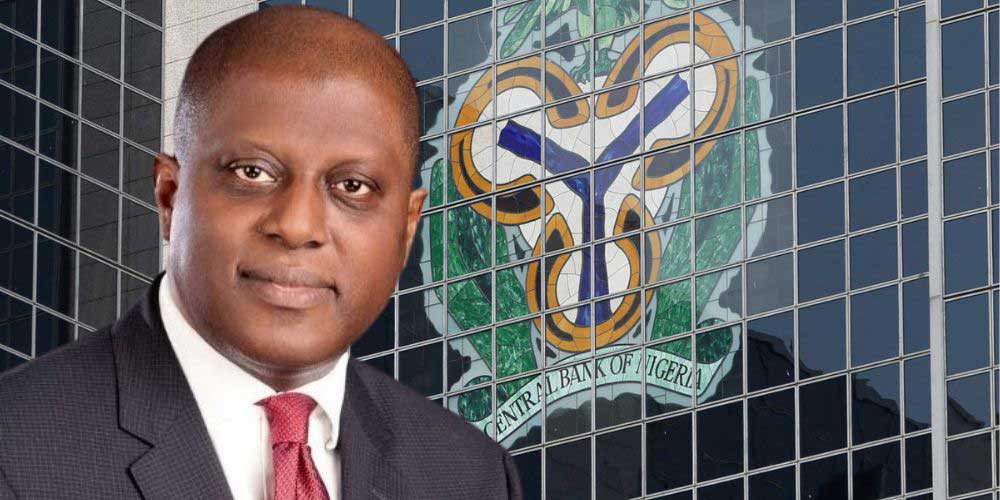
    The impulse to shift blame entirely to the Central Bank of Nigeria, which is the apex regulator of the banking sector ignores both the legal framework governing banks and the shared responsibilities embedded in modern corporate governance. If Nigeria is to break the recurring cycle of bad debts, it must resist emotional fixes and embrace institutional accountability, starting with shareholders and boards.

    Shareholders Are Not Innocent Bystanders

    Under the Companies and Allied Matters Act 2020 (CAMA 2020), shareholders are not passive observers but the ultimate authority in corporate governance. Section 238 vests the powers of the company in the general meeting, while Sections 271–274 provide for the appointment, removal, and remuneration of directors.

    Specifically, Section 238 of the CAMA 2020 stated that “A company may appoint a person as a director by ordinary resolution at a general meeting.

    This reinforces shareholder control over the composition of the board. The person being appointed must be qualified and not disqualified under the Act.”

    This means shareholders not only elect those who run the bank but also approve their compensation and, by extension, the incentives that shape their behavior.

    Section 238 of the Companies and Allied Matters Act is more than a procedural rule, it is a cornerstone of corporate accountability and governance.

    First, it anchors shareholder authority. By requiring that directors be appointed through an ordinary resolution at a general meeting, the law ensures that those who own the company ultimately decide who manages it. This prevents the board from becoming a self-perpetuating circle and keeps power from being concentrated in a few hands.

    Second, it promotes transparency and legitimacy. When directors emerge from a formal, documented process, complete with consent and regulatory filing, it reduces the risk of hidden interests or backdoor appointments. Stakeholders, including regulators and investors, can clearly see who is in charge and how they got there.

    Third, it strengthens accountability in decision-making because directors know they are appointed by shareholders and can be replaced by them. This creates a natural check on reckless or self-serving behavior, especially in critical matters like financial management, lending decisions, and corporate strategy.

    Fourth, it supports regulatory oversight. The requirement to notify the regulators ensures that there is an official record of who is directing the company’s affairs. This becomes crucial in investigations, compliance monitoring, and enforcement actions.

    Fifth, it has real consequences in times of crisis especially in cases like bank failures or corporate mismanagement. Section 238 makes it clear that directors are not accidental actors; they are deliberately chosen and entrusted with responsibility. Therefore, when things go wrong, attention must also turn to the shareholders who appointed them, not just external regulators.

    The Act also reinforces the broader principle that corporate governance is a shared responsibility. Section 238 quietly but firmly distributes power and by extension, responsibility between shareholders and directors. That balance is essential for any company that aims to be stable, transparent, and resilient.

    In practice, however, many shareholders reward aggressive loan growth and high returns during boom cycles, only to recoil when those risks materialize into non-performing loans. This cyclical amnesia creates a moral hazard: profits are privatized in good times, while losses are blamed on management or regulators in downturns. The law anticipates active ownership as shareholders are expected to interrogate financial statements, challenge risk exposures, and vote responsibly. When they fail to do so, governance weakens at its foundation.

    Calling on the Central Bank of Nigeria to sack directors without acknowledging this statutory role amounts to an abdication of responsibility. Shareholder activism, not regulatory substitution is the first line of defence in any well-governed financial system.

    Directors Already Bear Heavy Legal Duties

    The notion that bank directors operate without accountability is not supported by law. CAMA 2020 is explicit on fiduciary obligations. Section 305 imposes a duty on directors to act in good faith in the best interests of the company, while Section 306 requires them to exercise reasonable care, skill, and diligence. Section 309 further prohibits conflicts of interest, particularly in transactions where directors may have personal stakes.

    Section 305 of CAMA imposes a statutory duty of care, skill and diligence on directors; Section 306 requires directors to act in good faith and in the best interest of the company, not for personal gain or improper purposes, while
    Section 309 reinforces accountability for breach, including consequences where directors act negligently, recklessly, or in conflict of interest.

    Together, these sections define what it means to be a responsible director under Nigerian company law.

    Beyond CAMA, the Banks and Other Financial Institutions Act 2020 (BOFIA 2020) imposes even stricter obligations on bank directors. Section 19 places a duty on directors and managers to ensure that loans are granted in accordance with sound banking principles, while Section 20 restricts insider-related lending and requires strict disclosure and approval processes. Violations can attract penalties, including removal, fines, and even criminal sanctions.

    These provisions make it clear: the legal framework already provides for accountability and they have closed the “Blame the Regulator” gap. For instance, CAMA Sections 305, 306, and 309 make it clear that directors have personal fiduciary and statutory duties. So even though BOFIA Section 19 involves regulatory approval, that approval does not transfer responsibility to regulators.

    A director approved under BOFIA is still fully bound by CAMA duties. If things go wrong, approval is not a shield against liability.

    The issue is not the absence of powers to punish wrongdoing, but the need for evidence-based enforcement. Not every bad loan is the result of fraud or negligence; banking, by its nature, involves risk. To equate rising non-performing loans automatically with misconduct is to misunderstand both the law and the business of banking.

    The CBN Is Already Acting Within Its Mandate

    Critics who accuse the regulator of inaction overlook not only the existence of powers under the Banks and Other Financial Institutions Act (BOFIA 2020), but the deliberate way those powers are designed to be exercised. Regulation under BOFIA is not meant to be impulsive or punitive for its own sake; it is structured as a graduated, evidence-based framework of intervention.

    Section 33 empowers the CBN to impose a range of regulatory measures, including restrictions on dividends, bonuses, and other capital distributions. This is not a symbolic provision, it is a frontline supervisory tool aimed at preserving the financial health of institutions at the first signs of stress. By limiting capital outflows, the CBN ensures that banks retain sufficient buffers to absorb losses, particularly in the face of rising non-performing loans.

    Section 34, on the other hand, provides for the removal of directors and officers but crucially, this power is conditional, not arbitrary. It is triggered only upon clearly defined grounds such as unsafe or unsound practices, material regulatory breaches, or threats to solvency. This distinction is critical. The law does not empower the CBN to act on speculation, public sentiment, or media pressure; it requires demonstrable evidence and procedural fairness.

    This sequencing is intentional. Section 33 represents preventive supervision, while Section 34 represents corrective enforcement. To leap prematurely to removals without exhausting preventive measures would not signal strength, it would represent a breakdown of regulatory discipline and expose the system to claims of arbitrariness.

    The recent restrictions on dividend payments for banks with elevated non-performing loans should therefore be understood within this legal and prudential context. These measures are not signs of regulatory hesitation; they are prudential interventions. By compelling banks to conserve capital, the CBN is addressing risk at its root long before it escalates into insolvency or systemic distress.

    This approach is fully aligned with global supervisory standards, particularly those promoted by the Basel Committee on Banking Supervision, which emphasize early intervention, capital adequacy, and proportional response. Around the world, responsible regulators prioritize financial system stability over short-term shareholder returns, especially in periods of heightened credit risk.

    Moreover, calls for indiscriminate sackings ignore a fundamental principle embedded in both BOFIA and broader corporate governance under the Companies and Allied Matters Act. Acountability must be rule-based, not reactionary. Directors can only be removed within a framework that respects due process, evidentiary thresholds, and legal safeguards. Anything less would not only exceed the regulator’s mandate but also undermine investor confidence by introducing uncertainty and regulatory unpredictability.

    In fact, arbitrary removals would create a dangerous precedent where regulatory actions are perceived as politically or emotionally driven, rather than grounded in law. That outcome would weaken, not strengthen, the financial system.

    The real test of an effective regulator is not how loudly it acts, but how lawfully, proportionately, and consistently it applies its powers. In this regard, the CBN’s use of dividend restrictions and capital preservation measures reflects a measured, legally sound, and globally consistent approach to supervision.

    Corporate Governance Is A Shared Ecosystem

    Modern corporate governance has evolved far beyond a regulator-centric model. It is now a multi-layered system involving boards, shareholders, auditors, rating agencies, and internal control mechanisms. The Central Bank of Nigeria Code of Corporate Governance for Banks and Discount Houses reinforces this by assigning clear responsibilities to board committees, audit, risk management, and credit oversight.

    Independent directors, in particular, are tasked with ensuring objective judgment in these processes. Their role is not ceremonial; it is designed to provide checks against excessive risk-taking and insider abuse. If these mechanisms fail, the solution is to strengthen them and not to bypass them with sweeping regulatory purges.

    Over-reliance on the regulator creates a perverse incentive structure. Banks may become less vigilant internally, assuming that external intervention will always correct excesses. This weakens institutional discipline and perpetuates the very cycles the system is trying to avoid.

    Systemic Risks Are Being Misread As Individual Failures

    The current bad loan crisis reflects broader macroeconomic realities. Commodity price volatility, foreign exchange pressures, and structural weaknesses in the economy have all contributed to the deterioration of loan quality. When large obligors default, the impact is rarely confined to a single bank, it reverberates across the system.

    BOFIA itself recognizes this systemic dimension, which is why it emphasizes risk management frameworks and capital adequacy rather than punitive measures alone. Section 13 mandates banks to maintain adequate capital and manage risks prudently, acknowledging that not all losses are avoidable.

    To interpret sector-wide impairments purely as evidence of director complicity is to ignore these structural factors. It risks turning a complex economic issue into a simplistic governance narrative, leading to policy responses that address symptoms rather than causes.

    There is an understandable public frustration when dividends are suspended and losses mount. But policy must be guided by long-term stability, not short-term appeasement. Blanket sackings, clawbacks, and punitive measures, if applied without rigorous standards could erode investor confidence and deter qualified professionals from serving on bank boards.

    Both CAMA and BOFIA emphasize due process. Directors can be removed, but only under defined conditions and with proper investigation. This is not bureaucratic caution; it is a safeguard against arbitrariness. Financial systems thrive on predictability. Once regulatory actions become unpredictable, capital flight and governance deterioration often follow.

    If the goal is to prevent future crises, the focus must shift from reactive punishment to proactive governance. This requires that shareholders must actively exercise their rights under CAMA questioning management, scrutinizing reports, and voting responsibly.

    The boards must fully comply with fiduciary duties and strengthen internal controls, as mandated by both CAMA and BOFIA.

    There must also be industry-wide commitment to self-regulation, peer accountability, and ethical lending practices while the regulator must continue to enforce rules firmly but within the boundaries of law and due process.

    The instinct to blame the CBN for the banking sector’s bad loan crisis is misplaced. The legal and institutional framework already distributes responsibility across shareholders, directors, and management. Where there are breaches, the law provides clear remedies. But where risks materialize due to economic conditions, the response must be measured and systemic.

    Nigeria’s banking sector does not need a cycle of scapegoating; it needs a culture of accountability that begins in the boardroom and extends to the shareholder base. Until that culture takes root, no amount of regulatory intervention, no matter how aggressive will deliver lasting reform.

    -Onuba, a Chartered Accountant wrote from Abuja

    Bad Loans Crisis: Responsibility Lies With Directors, Shareholders, Not CBN is first published on The Whistler Newspaper

  • 17 House Of Reps Members Defect To NDC

    17 House Of Reps Members Defect To NDC

    No fewer than 17 members of the House of Representatives have defected from the African Democratic Congress (ADC) to the Nigerian Democratic Congress (NDC).

    Their defections were announced on the floor of the House during plenary on Tuesday.

    Also announced was the defection of Leke Abejide from the ADC to the All Progressives Congress (APC).

    Lawmakers who defected to the NDC include Yusuf Datti, Uchenna Okonkwo, Adamu Wakili, Thaddeus Attah, George Ozodinobi, Lilian Orogbu, Oluwaseyi Sowunmi, Peter Aniekwe, Mukhtar Zakari, George Oluwande, Munachim Umezuruike.

    Others are Emeka Idu, Jesse Onuakalusi, Ifeanyi Uzokwe, Afam Ogene, Murphy Omoruyi and Abdulhakeem Ado.

    These defections further intensify the ongoing political alignments and realignments ahead of the 2027 general elections.

    The defections of the lawmakers to NDC come two days after former Anambra State Governor Peter Obi and his Kano State counterpart Musa Kwankwaso formally joined the Nigerian Democratic Congress (NDC) from the ADC.

    Obi, who was the 2023 presidential candidate of the Labour Party (LP), and Kwankwaso, a former presidential candidate of the New Nigeria People’s Party (NNPP), received the NDC membership cards on Sunday amid cheers from supporters, shortly after a closed-door meeting with leaders of the NDC.

    The two opposition leaders were welcomed into the NDC by a former Governor of Bayelsa State and national leader of the party, Senator Seriake Dickson.

    Obi had cited a worsening political climate marked by internal crises, external interference, and growing hostility within party structures as his reasons for leaving the ADC which he joined from the Labour Party barely in December 2025.

    The former Anambra State governor described Nigeria’s political space as increasingly toxic, where intimidation, insecurity, and persistent scrutiny have become the norm.

    He lamented that systems meant to protect citizens now often work against them, while individuals striving for sincere service face mounting pressure both publicly and privately.

    Clarifying his decision, Obi stated that his exit was not due to any personal grievances with party leaders, including former Senate President David Mark or former Vice President Atiku Abubakar, both of whom he said he continues to respect.

    Instead, he pointed to a pattern of internal division, legal disputes, and what he described as the infiltration of destabilising forces—similar to challenges he previously encountered in the Labour Party.

    “Let me state clearly: my decision to leave the ADC is not because our highly respected Chairman, Senator David Mark, treated me badly, nor because my leader and elder brother, Alhaji Atiku Abubakar, or any other respected leaders did anything personally wrong to me. I will continue to respect them.

    “However, the same Nigerian state and its agents that created unnecessary crises and hostility within the Labour Party that forced me to leave now appear to be finding their way into the ADC, with endless court cases, internal battles, suspicion, and division, instead of focusing on deeper national problems and playing politics built more on control and exclusion than on service and nation-building,”

    Kwankwaso called on all Nigerians to register with the NDC as soon as possible, declaring that his camp had commenced registration immediately.


    ‘No Litigations’


    Welcoming the two leaders, Senator Dickson described the NDC as a party devoid of litigation and factions.

    He also described the opposition party as Nigeria’s most stable, fastest-growing political party.

    “On behalf of the leaders of our party and on behalf of the teeming members of our party, well-meaning Nigerians from all over our country, who in the five months have defied all odds and conquered all doubts, and invested their trust and confidence in the dream and vision of this party. On behalf of all of them, I thank you all, and I welcome you all, especially to the NDC and my humble home,” he said.

    Dickson said that, though young, the NDC was ready to “box above its weight”.

  • Kano Man Bags Death Sentence For Stabbing Samsung Phone Owner

    Kano Man Bags Death Sentence For Stabbing Samsung Phone Owner

    A Kano State High Court has sentenced one Abdulaziz Umar to death by hanging after convicting him of murder and armed robbery arising from the killing of Mubarak Salisu during a phone snatching incident in 2020.

    Justice Zuwaira Yusuf, who delivered judgment in the case on Tuesday, held that the prosecution had proved its case beyond reasonable doubt and found Umar guilty on all counts.

    According to the charge, Umar and five accomplices — Muyi, Umar Sarki, Diga, Ashosho, and Taduke, all of various addresses and still at large — allegedly attacked Salisu at Race Course, Badawa, Kano on October 1, 2020, robbing him of a Samsung mobile phone valued at N100,000.

    During the attack, Umar stabbed the victim with a sharp knife in the stomach and on the hand, from which Salisu died.

    Umar faced four counts, including criminal conspiracy, armed robbery, culpable homicide punishable with death, and brigandage.

    The court found him culpable on all charges, with the homicide count establishing that he inflicted the fatal stab wounds with the knowledge that death would be the probable consequence of his actions.

    The prosecution, led by Deputy Director of Public Prosecutions Aisha Salisu of the Kano State Ministry of Justice, called four witnesses.

    The defence, led by counsel Ya’u Abdullahi Umar, presented only the convict himself as a witness.

    The five co-accused remain at large.

    Kano Man Bags Death Sentence For Stabbing Samsung Phone Owner is first published on The Whistler Newspaper

  • UCL: Lauren predicts Arsenal vs Atletico Madrid semi-final second leg

    UCL: Lauren predicts Arsenal vs Atletico Madrid semi-final second leg

    Former Cameroon defender, Lauren, has tipped Arsenal to beat Atletico Madrid in their Champions League semi-final second leg and qualify for the final.

    The tie is finely balanced after the 1-1 draw in the first leg.

    If the Gunners are able to eliminate the LaLiga side, they will be playing in only their second final in the history of the club.

    That would be a potential clash between either Paris Saint-Germain of Bayern Munich in Budapest.

    “We have a big chance to win against Atletico Madrid, to reach the final, and also to be able to win the league by the end of the season. It’s very important,” Lauren told Hayters.

    “Viktor Gyokeres is scoring goals, Bukayo Saka is back in the team and scoring goals. Leandro Trossard, Gabriel Martinelli can do it as well.”

    UCL: Lauren predicts Arsenal vs Atletico Madrid semi-final second leg