Category: Uncategorized

  • Tinubu appoints Ogbara-Banjoko Lagos representative on NCX board

    Tinubu appoints Ogbara-Banjoko Lagos representative on NCX board

    President Bola Tinubu has approved the appointment of Arinola Ogbara-Banjoko as a Non-Executive Director on the board of the Nigeria Commodity Exchange under the Federal Ministry of Industry, Trade and Investment.

    According to a statement issued on Thursday by the President’s Special Adviser on Information and Strategy, Bayo Onanuga, Ogbara-Banjoko will represent Lagos State on the board.

    She succeeds Bamidele Hussein.

    President Tinubu had earlier constituted the board of the Exchange in April, appointing Dalhatu Abubakar as chairman alongside other non-executive directors.

    The presidency stated that the new appointee is expected to deploy her experience and professional expertise towards strengthening the operations of the Exchange.

    Tinubu also urged her to support the Federal Government’s efforts aimed at expanding commodity trading, improving market access for farmers and investors, and boosting economic growth.

    “Mrs Ogbara-Banjoko replaces Mrs Bamidele Hussein,” the statement read.

    “President Tinubu had earlier in April this year constituted the board of the Exchange with Dalhatu Abubakar as the Chairman, along with other non-Executive Directors.

    “The President expects the new appointee to bring her wealth of experience and professionalism to bear in strengthening the exchange’s operations and supporting the Federal Government’s drive to deepen commodity trading, market access for farmers and investors, and stimulate economic growth.”

    Tinubu appoints Ogbara-Banjoko Lagos representative on NCX board

  • Lagos GAC member vows to stop Igbo House of Reps member’s re-election bid

    Lagos GAC member vows to stop Igbo House of Reps member’s re-election bid

    A member of the Governance Advisory Council, GAC, Henry Ajomale, has declared that efforts would be made to unseat Okey-Joe Onuakaluasi, the lawmaker representing Oshodi-Isolo II Federal Constituency in Lagos State.

    The controversy followed criticism trailing a list released by the federal lawmaker showing beneficiaries of his empowerment programme.

    Onuakaluasi had sponsored 29 individuals for training programmes in countries including China and South Africa, covering fields such as nursing, cybersecurity and food processing.

    However, the initiative generated reactions after the published list allegedly showed that most of the beneficiaries were of Igbo extraction, while only a few were identified as Yoruba.

    Reacting during a meeting with constituents, Ajomale expressed dissatisfaction with the distribution of the opportunities, accusing non-indigenes of sidelining natives in the constituency.

    Speaking in Yoruba language, the APC chieftain said the party would ensure that the interests of the local population were protected.

    “Whatever is required in this Isolo is what we will give, because some people can’t come from a long distance and steal our land from us. Yoruba land is more important to us. If they move irrationally, we will reduce them to size this time around,” he said.

    Ajomale also blamed internal disagreements within the All Progressives Congress, APC, for the emergence of the lawmaker.

    “We made a mistake before and our boss didn’t lend us countenance. We also had in-fighting. But right now, I don’t see any fight within us,” he stated.

    According to him, the APC is now more united and prepared to present what he described as credible candidates in future elections.

    “When a Yoruba man was there, we were getting some benefits. But in the case of this man, he took everything to Nnewi. This time around, we want our own child to be there, so we can benefit from what belongs to us,” Ajomale added.

    He further insisted that the constituency should be represented by someone who would prioritise the interests of the local community.

    Lagos GAC member vows to stop Igbo House of Reps member’s re-election bid

  • Enugu Govt seals illegal health facilities

    Enugu Govt seals illegal health facilities

    The Enugu State Ministry of Health has sealed three illegal health facilities operating without operational licence within the Enugu South Local Government Area of the state.

    Sealing the premises on Friday, the Ministry’s Monitoring and Supervision Team, led by the Director of Medical Services, DMS, Dr Chinyere Ezeudu, noted that the move was meant to improve healthcare delivery.

    Ezeudu said the strategic supervision was aimed at evaluating the quality of healthcare services, staff performance, infrastructure, patient management, and compliance with government health policies and standards in various health facilities.

    She reaffirmed the state government and the Ministry’s commitment to building a responsive, efficient, and people-centred healthcare system.

    The director encouraged health workers to remain dedicated to duty, uphold professionalism, and maintain high standards of patient care.

    She commended health facilities that demonstrated excellence in service delivery, while offering constructive recommendations in areas requiring improvement.

    According to her, the supervision is not meant to witch-hunt health facilities or their medical staff but to support continuous improvement in healthcare delivery across the state.

    Earlier, State Commissioner for Health, Prof. George Ugwu, noted that routine monitoring and supportive supervision remained critical tools for identifying gaps, strengthening accountability, and ensuring that residents receive quality healthcare services at all levels.

    “The monitoring/supervisory team’s visit and activities further highlight the determination of the state government led by our health-loving Governor, Dr Peter Ndubuisi Mbah, to sustain ongoing reforms in the health sector.

    “This is meant to ensure that every community benefits from accessible and quality healthcare services,” Ugwu said.

    The team moved around some health facilities within the council area interacting directly with healthcare workers and patients, while assessing operational efficiency and service delivery.

    Moreover, residents applauded the ministry’s direct oversight, saying it strengthens the health system and restores trust in public, mission-owned, and private facilities.

    Enugu Govt seals illegal health facilities

  • Tinubu’s problem is time to deliver on promises to Nigerians – APC spokesman

    Tinubu’s problem is time to deliver on promises to Nigerians – APC spokesman

    The National Publicity Secretary of the All Progressives Congress, APC, Felix Morka, on Friday revealed President Bola Tinubu’s problem is time to deliver on his promise  to improve the lives of Nigeria.

    Morka made the remark while noting that Tinubu’s administration is working on improving the micro and macro-economic situation in Nigeria.

    In an interview on TVC News’ This Morning with Uncle Yori, Morka said: “Those who are investing in Nigeria are sure that the money they are bringing in, the value is able to hold; and all of the fluctuations we witnessed for sometime now is stable.

    “That is how you build macro-economic stability and growth. It’s only when macro-economics is good and healthy that is when you are actually able to affect macro-economic conditions, its the macro that creates and eases the micro economic conditions that makes life better for people.

    “So when people say that garri is still expensive, that is true in some cases and sometimes exaggerated. The fact of the matter is that you must focus on the macro in order to get that micro, that bread and butter issues that people worry about and which affects that daily lives to get better.

    “It’s not magic, it’s a process and economics is a science and law which must be followed. My point is that this President is doing the right things and the only issue he is struggling with right now is time between gestation and delivery but the delivery we are seeing already and it will get better with time.

    “Some of us are very dogged in our support of this President and he must be given time because he has started a good work.”

    Tinubu’s problem is time to deliver on promises to Nigerians – APC spokesman

  • South Africa’s Constitutional Court Revives Impeachment Proceedings Against President Ramaphosa

    South Africa’s Constitutional Court Revives Impeachment Proceedings Against President Ramaphosa

    South Africa’s Constitutional Court has revived impeachment proceedings against President Cyril Ramaphosa, ruling on Friday that parliament acted unlawfully when it blocked the process back in 2022.

    The ruling stems from the “Farmgate” scandal, which nearly brought down Ramaphosa when it erupted in 2022 after an independent panel found evidence he may have committed misconduct.

    Ramaphosa denied wrongdoing and was never charged with a crime.

    His party, the African National Congress (ANC), rallied around him at the time, using its parliamentary majority to prevent an impeachment process from being launched.

    The scandal centred on allegations by a former intelligence official that Ramaphosa tried to cover up the theft of about $4 million in foreign currency stashed in furniture at his Phala Phala game farm in 2020. Ramaphosa admitted there had been a break-in but said the thieves only stole $580,000, which he claimed were proceeds from the sale of buffaloes.

    It was the far-left Economic Freedom Fighters (EFF) that approached the country’s highest court in 2024, arguing parliament had acted unlawfully by failing to hold Ramaphosa to account.

    Following the court’s ruling, the ANC’s main coalition partner, the Democratic Alliance (DA), said it would participate fully in the impeachment committee and would not prejudge its outcome.

    Ramaphosa has governed South Africa in a broad coalition since the ANC lost its parliamentary majority in the 2024 elections.

    South Africa’s Constitutional Court Revives Impeachment Proceedings Against President Ramaphosa is first published on The Whistler Newspaper

  • Court Dismisses Sowore’s No-Case Submission In Tinubu Cyberbullying Trial

    Court Dismisses Sowore’s No-Case Submission In Tinubu Cyberbullying Trial

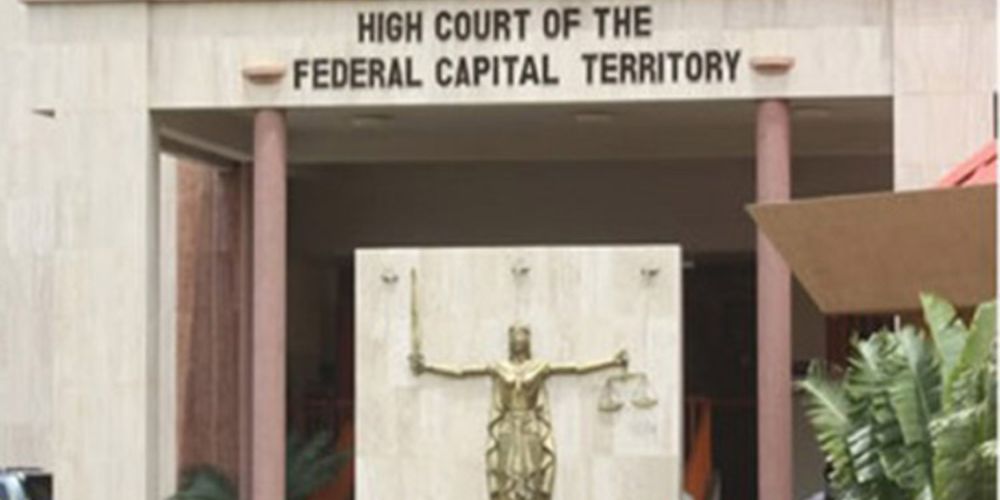
    Justice Mohammed Garba Umar of the Federal High Court in Abuja has dismissed the no-case submission filed by activist and Sahara Reporters publisher Omoyele Sowore, ruling that the prosecution has established a prima facie case sufficient to warrant a full defence.

    The court held that evidence already before it, including testimony linking Sowore to social media posts via his X and Facebook handles, was enough to compel him to respond to the two-count cyberstalking charge brought against him by the Department of State Services (DSS) on behalf of the Federal Government.

    Justice Umar noted that at the no-case stage, the court weighs the evidence presented, not the credibility of witnesses, as the trial is yet to be concluded.

    He subsequently ordered Sowore to enter his defence.

    The prosecuting counsel also invoked Section 396(6) of the Administration of Criminal Justice Act (ACJA), urging the court to have the defendant open his defence immediately.

    Sowore is being prosecuted for allegedly calling President Bola Tinubu a “criminal” in posts on his social media accounts in August 2025, which the prosecution claims were false and capable of causing a breakdown of law and order, offences under the Cybercrimes (Prohibition, Prevention and Amendment) Act, 2024.

    He has pleaded not guilty to all charges.

    Court Dismisses Sowore’s No-Case Submission In Tinubu Cyberbullying Trial is first published on The Whistler Newspaper

  • Parents of Uniuyo dentistry students raise alarm over non-accreditation of courses

    Parents of Uniuyo dentistry students raise alarm over non-accreditation of courses

    The Forum of Parents of Dental Students, University of Uyo, Uniuyo, Akwa Ibom State has raised the alarm over the non-accreditation of the dentistry programme in the university since its inception in 2021.

    The Forum expressed fear that the students risk spending extra years if nothing is done to forestall the looming academic disaster.

    They made this known on Friday during a press conference in Uyo shortly after a peaceful protest displaying placards with various inscriptions such as ‘Do not normalize extra years for professional students’, ‘Save the future of Uniuyo Dental Students now’, ‘We reject unnecessary prolongation for our children’, among others.

    Chairman of the Forum, Mr Sunday Elijah who spoke through Otuekong Vincent Udoh, expressed pessimism about Uniuyo securing accreditation for the programme within the one year and four months left for the graduation of the pioneer students, given lapses in the accreditation requirements by the Medical and Dental Council of Nigeria, MDCN.

    The Forum regretted that the university management has not invited the MDCN for an advisory visit let alone an accreditation visit, saying that proactive measures should be adopted by the institution, the Federal Government and the state government so that the students who are at the verge of graduation are not left stranded.

    Parts of the statement presented by the Forum read, “Ideally, accreditation should have been secured before the admission of students into the programme. However, the University is only now making attempts to procure limited equipment, which are insufficient in relation to the current student population per class and do not meet established accreditation standards.

    “In view of this, there is an urgent need to implement immediate alternative measures to safeguard students already in the clinical phase, while the University works toward establishing a compliant and sustainable foundation for the programme.

    “However, we acknowledge that during one of our engagements with the University management, we were informed that approval had been granted for the purchase of only ten (10) dental chairs and ten (10) phantom heads. We submit, with due consideration, that these numbers are grossly insufficient to meet the minimum requirements for accreditation.

    “After careful evaluation of these options, we strongly believe that the Internal merger represents the most immediate, practical, and feasible solution, particularly for students in Year 5, Year 4, and Year 3, based on the following reasons: first, the quota for the MBBS programme at the University has not been exceeded for these classes, meaning that accommodating these students is feasible. For example, the total number of students in the Year 5 class is 87 (65 medical students and 22 dental students), while the approved quota for Medicine is 150 students.

    “Second, the students in these classes have already undergone the same foundational medical training as their MBBS counterparts. They attended the same lectures and have successfully sat for the Part 1 and Part II Bachelor of Medicine (MB) examination in their 300 Level and 400 Level respectively alongside their medical counterparts. They have also participated in the same clinical postings in Medicine and Surgery, and are currently at the same level of academic and clinical progression. This makes the integration into the MBBS programme both reasonable and academically justified.

    “Third, the merger can be implemented immediately without waiting for the construction of new facilities, recruitment of lecturers, or completion of accreditation processes for the Faculty of Dentistry, which may take several years to achieve.

    “Fourth, this approach will prevent unnecessary prolongation of studies and protect the students and their families from avoidable emotional, psychological, and financial hardship.

    “Fifth, extending the merger to Year 3 students is particularly important because they are approaching the clinical phase of their training, and early intervention will prevent further academic disruption.”

    The Forum urged the Medical and Dental Council of Nigeria, MDCN, for clemency and to hold the University of Uyo management accountable without subjecting innocent students to further hardship arising from circumstances beyond their control.

    However, when contacted, the acting Vice Chancellor, University of Uyo, Prof. Samuel Odewumi, admitted that securing accreditation for the dentistry programme has become a big concern to him since assumption of office.

    He assured that university management will do everything within its powers to ensure that accreditation is secured.

    “If there is anything I have been concerned about since I came into office, is this issue of accreditation. We have done everything as an institution that needed to be done, including award of contracts and lot more.

    “It is not something that could be done in a day or two, but I want to assure you that everything is in progress. What is left is to invite the the council for accreditation of the programme,” the VC said.

    Parents of Uniuyo dentistry students raise alarm over non-accreditation of courses

  • Lagos monarch, Oba Nojeemdeen Fashola is dead

    Lagos monarch, Oba Nojeemdeen Fashola is dead

    A wave of grief has swept through Ogudu following the death of Nojeemdeen Fashola, the revered traditional ruler of the community.

    Palace sources disclosed that the first-class monarch died peacefully in the early hours of Thursday at his residence in Ogudu.

    Although the exact circumstances surrounding his death were not officially revealed, the palace confirmed that the monarch “departed this world in peace.”

    His passing has plunged the ancient community in Kosofe Local Government Area into mourning, with residents, traditional chiefs and sympathisers paying glowing tributes to a ruler widely respected for his humility, wisdom and leadership.

    In line with Yoruba traditional customs, several social and commercial activities within the community, including market operations, were reportedly reduced in honour of the late monarch.

    Oba Fashola ascended the throne about four years ago and was regarded as a strong symbol of unity, peace and cultural preservation in Ogudu land.

    During his reign, he was known for his calm personality, accessibility and commitment to the development and welfare of the community.

    Lagos monarch, Oba Nojeemdeen Fashola is dead

  • Communication Is Strategic Leadership Discipline, Not Public Relations – Lai Mohammed

    Communication Is Strategic Leadership Discipline, Not Public Relations – Lai Mohammed

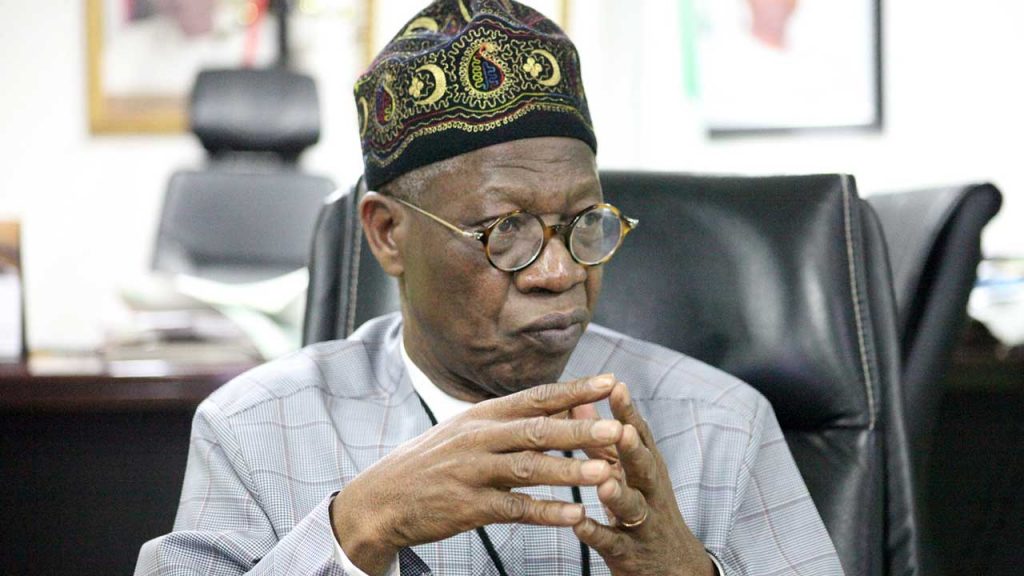
    Former Minister of Information and Culture, Alhaji Lai Mohammed, has called on business leaders, corporate executives and institutional decision-makers to fundamentally redefine the role of communication in leadership, warning that organisations that fail to build trust before crises emerge may suffer severe reputational and operational consequences.

    Mohammed made the remarks while delivering a lecture titled ‘Crisis, Communication and Commerce: What Business Leaders Can Learn From Government” during a Guest Lecturer Series at the University of Abuja.

    The former minister used examples drawn from insurgency, the COVID-19 pandemic, civil unrest and digital platform regulation during his tenure in office to outline six major principles for crisis communication and stakeholder management.

    Central to his lecture was the argument that communication should not be viewed merely as a public relations activity, but as a strategic leadership function that determines institutional credibility and survival during periods of crisis.

    “The organisations that survive crises with their reputation and their business intact are those that treat communication as a strategic function, not a support function, not a PR department, not a press release machine, but a core leadership discipline,” Mohammed said.

    Reflecting on the transition of the All Progressives Congress (APC) into government after sixteen years of opposition politics, Mohammed stressed that trust and credibility cannot be improvised during emergencies.

    According to him, the administration deliberately invested in relationships with key stakeholders including labour unions, media practitioners and indigenous-language newspapers immediately after assuming office in 2015.

    “Trust is not a communication tool. It is the infrastructure upon which all communication rests,” he stated.

    He explained that those early engagements helped establish feedback channels that later became critical in managing national conversations and policy communication.

    Speaking on the Boko Haram insurgency, the former minister recounted organising a secret media tour of liberated territories in northeastern Nigeria in order to allow independent journalists verify government claims regarding military gains against insurgents.

    He argued that in moments of reputational attack, evidence-based communication carries more weight than official declarations.

    “When your narrative is under attack, proof is more powerful than position,” Mohammed said.

    According to him, independent verification by journalists succeeded in reshaping public perception more effectively than repeated official statements from the government.

    Mohammed also reflected on Nigeria’s response to the COVID-19 pandemic, describing it as one of the most complex communication challenges faced by the administration.

    He said government authorities adopted multilingual campaigns, collaborated with religious and community leaders, carried out real-time opinion polling and actively countered misinformation in order to drive behavioural change during the public health emergency.

    “When a crisis arrives without a template, your job is to build the template, and build it fast,” he said.

    The former minister noted that flexibility and audience-sensitive messaging became necessary because the crisis evolved rapidly and misinformation spread quickly across digital platforms.

    Addressing the #EndSARS protests and the broader challenge of disinformation in the social media era, Mohammed warned organisations against dismissing misinformation as merely a political issue.

    He argued that false narratives and manipulated information now constitute major risks capable of damaging brands, institutions and governments.

    “Misinformation is no longer merely a political problem. It is now a business risk,” he warned.

    He urged institutions to establish rapid-response communication systems, strengthen direct engagement channels and proactively build public trust before crises occur.

    On the controversial suspension of Twitter, now known as X, in Nigeria during his tenure, Mohammed maintained that unpopular or difficult policy decisions require more explanation rather than less.

    “Hard decisions require more explanation, not less. The public wants to understand not only what you did, but why you did it,” he said.

    He further cautioned organisations against becoming overly dependent on single communication platforms or third-party channels for public engagement.

    At the conclusion of the lecture, Mohammed outlined six principles which he said should guide leaders navigating institutional crises and public communication.

    The principles include building trust before it becomes necessary, showing rather than merely asserting claims, recognising the importance of credible messengers, measuring public feedback in real time, actively countering misinformation and clearly communicating the reasons behind major decisions.

    He maintained that the principles are applicable not only to governments but also to corporations, institutions and non-profit organisations operating in an era characterised by digital disruption, heightened public scrutiny and widespread misinformation.

    “In both government and business, communication is not the support act. It is the strategy itself,” Mohammed added.

    Communication Is Strategic Leadership Discipline, Not Public Relations – Lai Mohammed is first published on The Whistler Newspaper

  • 35 Million Candidates Wrote NECO Exam In 25 Years—Registrar

    35 Million Candidates Wrote NECO Exam In 25 Years—Registrar

    The National Examinations Council (NECO) has said more than 35 million candidates have sat for its examinations in the last 25 years, describing the figure as evidence of the trust Nigerians have placed in the body since its creation.

    Registrar and Chief Executive of NECO, Prof. Dantani Wushishi, disclosed this in Minna during the Gala and Awards Night held as part of activities marking the Council’s silver jubilee.

    Speaking on the theme “Celebrating 25 Years of NECO’s Excellence in Educational Assessment,” Wushishi said the Council was established on July 10, 1999, following years of public demand for a credible and nationally responsive examination body.

    He noted that the creation of NECO stemmed from recommendations by several government panels and committees between 1977 and 1997, all of which emphasized the need for a national institution to meet the growing educational needs of the country.

    “Over the last 25 years, our work has touched the lives of almost 35 million Nigerians through various examinations. This reflects the trust reposed in NECO and our unwavering commitment to fairness, credibility, and integrity in examination administration,” he said.

    Wushishi added that the anniversary was not only a moment to celebrate institutional milestones but also an opportunity for reflection, recognition, and renewed commitment to innovation and continuous improvement in assessment.

    As part of the celebration, NECO conferred its highest honour, the Lifetime Achievement Award, on Emeritus Prof. Dibu Ojerinde, the Council’s pioneer Registrar between 1999 and 2007.

    The Council said the award was reserved for individuals whose contributions had created enduring institutional legacies and strengthened national assessment standards.

    Ojerinde, who later served as Registrar of the Joint Admissions and Matriculation Board(JAMB) was recognised for his visionary leadership and role in stabilizing NECO during its formative years.

    The Council also honoured top-performing schools in the Senior School Certificate Examination Internal since inception.

    Dority International Early Learning School emerged as the overall best-performing secondary school, with Federal Government Academy and Air Force Comprehensive School placing second and third respectively.

    In the state performance category, Bayelsa State was recognised as having the highest percentage of candidates who obtained five credits and above in NECO SSCE Internal examinations since inception, with Governor Douye Diri receiving the award on behalf of the state.

    Ogun State Governor Dapo Abiodun and Edo State Governor Monday Okpebholo were honoured for their states’ performance, while Lagos State Governor Babajide Sanwo-Olu was recognised for Lagos recording the highest number of registered candidates in NECO SSCE Internal examinations since inception.
    Kaduna State Governor Uba Sani and Oyo State Governor Seyi Makinde were also honoured for their states’ performance.

    Wushishi expressed appreciation to staff, partners, governments, schools, and stakeholders for their support over the past 25 years.

    He reaffirmed NECO’s resolve to sustain high standards in examination administration through the adoption of modern technology, stronger stakeholder collaboration, and investments in human capital and institutional processes, pledging that the Council would continue to uphold integrity, transparency, and excellence in educational assessment across Nigeria.

    35 Million Candidates Wrote NECO Exam In 25 Years—Registrar is first published on The Whistler Newspaper