
Category: Uncategorized

  • How Financial Stress Is Fueling Mental Health Crisis In Nigeria

    How Financial Stress Is Fueling Mental Health Crisis In Nigeria

    For many Nigerians, financial stress has become an everyday reality. Rising inflation, unemployment, high transportation costs, increasing food prices, and the declining purchasing power of incomes have placed millions of households under immense economic pressure.

    While the financial consequences of these challenges are widely discussed, their impact on mental health often receives far less attention.

    Across Nigeria, financial stress is increasingly contributing to anxiety, depression, sleep disorders, family conflicts, and other mental health challenges. As economic hardships deepen, experts warn that the country may be facing a growing mental health crisis driven largely by financial insecurity.

    The removal of fuel subsidies, fluctuations in the naira, and rising living costs have significantly affected household budgets. According to data from the National Bureau of Statistics (NBS), analysed by THE WHISTLER, inflation has continued to erode the value of incomes, making it difficult for many families to afford necessities such as food, transportation, healthcare, and education.

    For civil servants, traders, artisans, and private sector workers alike, the struggle to make ends meet has become more intense. Salaries that once covered monthly expenses are now often insufficient, forcing many Nigerians to cut spending, borrow money, or take on additional jobs.

    Mental health professionals say these economic pressures are having a profound effect on emotional well-being.

    “When people are constantly worried about how they will feed their families, pay rent, or cover school fees, the body remains in a state of prolonged stress,” says Dr Bokolo David, a Lagos-based clinical psychologist.

    “Over time, that stress can develop into anxiety, depression, and other psychological conditions,” she says.

    One of the most common effects of financial stress is anxiety. Many Nigerians report constantly worrying about unpaid bills, rent increases, medical expenses, and the possibility of losing their source of income. For business owners, concerns about declining sales, rising operational costs, and currency instability can create additional pressure.

    This persistent worry often affects sleep. Individuals struggling financially frequently find themselves awake at night calculating expenses, planning how to settle debts, or worrying about future obligations. Lack of adequate sleep can impair concentration, reduce productivity, and increase irritability.

    Depression is another growing concern. Financial hardship can leave individuals feeling trapped and hopeless, especially when they see little opportunity for improvement. For unemployed graduates who have spent years searching for work, the emotional toll can be particularly severe.

    Nigeria’s youth are among the groups most affected by financial stress. Despite being one of the most entrepreneurial populations in Africa, many young Nigerians face significant barriers to economic stability. High unemployment rates, limited access to affordable credit, and rising costs of living have made financial independence increasingly difficult to achieve.

    Many young professionals also struggle with the pressure to support family members while trying to establish their own careers. In a society where financial success is often viewed as a measure of personal achievement, economic difficulties can lead to feelings of inadequacy and low self-esteem.

    Financial stress also affects family relationships. Across the country, economic hardship has become a major source of tension in homes. Couples often argue about spending priorities, debt, school fees, rent, and other financial obligations.

    Marriage counsellors said that money-related disputes are among the leading causes of marital conflict. When financial pressures persist, they can weaken communication, increase resentment, and contribute to separation or divorce.

    Parents face additional challenges. Many experience guilt and emotional distress when they cannot provide the quality of education, healthcare, or lifestyle they desire for their children. The stress felt by parents can also affect children, who may become anxious when they witness financial struggles within the household.

    Small business owners are another vulnerable group. From market traders to manufacturers, entrepreneurs across Nigeria are grappling with rising costs of goods, higher energy expenses, and reduced consumer spending. The uncertainty surrounding business survival can create significant emotional strain.

    Some individuals respond to financial stress through unhealthy coping mechanisms. Excessive alcohol consumption, gambling, substance abuse, and emotional withdrawal are increasingly being linked to economic pressures. While these behaviours may offer temporary relief, they often worsen both financial and mental health problems.

    Unfortunately, access to mental healthcare remains limited in Nigeria. Mental health services are concentrated in urban areas, and many people cannot afford professional counselling or therapy. Stigma surrounding mental illness also discourages many individuals from seeking help.

    Instead, people often suffer silently or rely solely on family members, religious leaders, or friends for support. While community support can be valuable, experts argue that greater investment in mental healthcare is necessary to address the growing burden of psychological distress.

    The Registrar of the Institute of Finance and Control of Nigeria, Godwin Eohoi said that addressing the relationship between financial stress and mental health requires action on multiple fronts.

    He told THE WHISTLER, “Economic policies that create jobs, improve incomes, and reduce inflation can help ease financial pressures. At the same time, greater awareness of mental health issues is needed to encourage people to seek support when necessary.

    “Financial literacy programmes can also play an important role. Teaching individuals how to budget, manage debt, save money, and plan for emergencies can help reduce financial anxiety. Employers can contribute by offering financial wellness programmes and mental health support services for workers.”

    Mental health experts alslnadvise Nigerians experiencing financial stress to focus on practical steps within their control.

    According to them, creating a realistic budget, prioritising essential expenses, seeking financial advice, maintaining social connections, and engaging in healthy stress-management activities can make a difference.

    While these measures may not eliminate financial challenges, they can help individuals cope more effectively and protect their mental well-being.

    As Nigeria continues to navigate economic uncertainty, the connection between financial health and mental health can no longer be ignored. Behind every statistic on inflation or unemployment are individuals and families struggling with the emotional consequences of economic hardship.

    Recognising and addressing this link is essential not only for improving mental health outcomes but also for building a healthier and more resilient society.

    ENDS

    How Financial Stress Is Fueling Mental Health Crisis In Nigeria is first published on The Whistler Newspaper
  • FG Welcomes Lancet Report On Cancer Workforce Crisis

    FG Welcomes Lancet Report On Cancer Workforce Crisis

    The Federal Government has welcomed the unveiling of the “Lancet Oncology Commission on Cancer Workforce: A Global Crisis”, describing it as a timely call to strengthen cancer care systems globally.

    Dr Uche Nwokwu, National Coordinator, National Cancer Control Programme (NCCP), said this in a statement issued on Monday in Abuja following the report’s unveiling at the 2026 American Society of Clinical Oncology (ASCO) annual meeting in Chicago.

    Nwokwu said the report highlighted an urgent global shortage of cancer care workers and projected a shortfall of 100 million cancer workforce personnel by 2050 amid rising cancer incidences worldwide.

    He said the findings reflected existing challenges across Nigeria and many African countries, including late presentation of cancer cases, diagnostic delays, overstretched oncology teams and limited specialist capacity.

    According to him, Nigeria’s National Cancer Control Plan 2026–2030 has already outlined strategies to address the oncology workforce gap, providing a framework that could serve as a model for other countries.

    Nwokwu said the report reinforced the need for countries to move beyond planning and implement measurable actions to strengthen cancer workforce capacity and improve patient outcomes.

    He quoted Dr Zainab Shinkafi-Bagudu, Chief Executive Officer of Medicaid Cancer Foundation and President-Elect of the Union for International Cancer Control, as welcoming the commission’s inauguration.

    “The inauguration of this commission is both timely and necessary. Around the world, and especially across low- and middle-income countries, the cancer workforce is central to whether patients are diagnosed early, treated effectively, and supported with dignity throughout their care.

    “For Nigeria and Africa, this report strengthens the case for deliberate investment in people, not only infrastructure. We must build, retain, and support the multidisciplinary teams needed to deliver equitable cancer care.”

    Shinkafi-Bagudu said such investments were required across the continuum of prevention, early detection, treatment, survivorship and palliative care to improve access to quality cancer services.

    The statement also quoted Prof. Folakemi Odedina, Chair of the NCCP Technical Working Group, as describing the report’s inauguration as critical for Nigeria’s cancer control efforts.

    “The inauguration of this commission comes at a critical time for Nigeria. Through the NCCP-TWG, we are taking important steps to address the cancer workforce gap by strengthening planning, coordination, training priorities, and implementation pathways.

    “Bridging this shortage will require sustained commitment from government, professional bodies, training institutions, development partners, and the wider health system,” Odedina said.

    She added that the commission reinforced the urgency of ongoing efforts and supported Nigeria’s direction toward building a more resilient and equitable cancer workforce.

    Nwokwu further quoted Dr Nwamaka Lasebikan of the University of Nigeria Teaching Hospital (UNTH), Enugu, and co-author of the commission, on the implications of the findings for Africa.

    “For Nigeria and many African countries, this commission is not an abstract global warning. It reflects the reality we see every day: rising cancer burden, late presentation, limited diagnostic and treatment capacity, and a workforce stretched far beyond what is sustainable.

    “If we want better cancer outcomes, we must move beyond isolated services and invest deliberately in cancer workforce planning, training, retention, task-sharing, digital tools, and strong cancer systems.

    “The cancer workforce is not a support structure for cancer care; it is the foundation on which timely, equitable, and high-quality cancer care depends,” Lasebikan said.
    According to the statement, the commission calls for coordinated action to strengthen cancer workforce registries, expand oncology training programmes and improve retention across health systems.

    It said investments were also needed for nurses, diagnostics teams, radiotherapy professionals, pathologists, imaging specialists, palliative care providers, data teams and community-level health workers.

    The report further highlighted the importance of digital health technologies, artificial intelligence, task-sharing approaches and sustainable financing mechanisms in improving access and continuity of cancer care.

    Nwokwu said the commission underscored that cancer control could not succeed through infrastructure investments alone but required strong systems, financing, governance, data and human resources.

    He said the inauguration of the report served as a call to action for the global cancer community and a call to implementation for Nigeria as it advanced its cancer control agenda.

    FG Welcomes Lancet Report On Cancer Workforce Crisis is first published on The Whistler Newspaper

  • Insecurity: Troops rescue 23 kidnap victims in Kogi

    Insecurity: Troops rescue 23 kidnap victims in Kogi

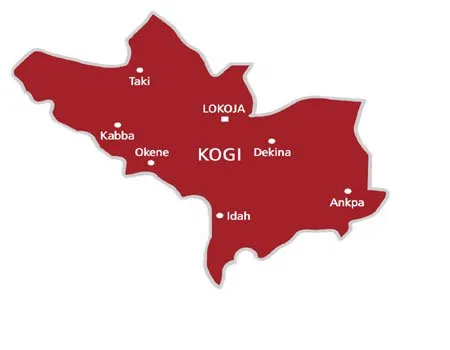
    Troops of the 12 Brigade, Nigerian Army, have rescued 23 kidnapped passengers following a swift counter-kidnapping operation along the Ayegunle–Bunu Road in Kabba-Bunu Local Government Area of Kogi State. This was contained in an official report made available to the Nigerian Tribune at the Army Headquarters in Abuja on Monday. The report explained that the […]

    The post Insecurity: Troops rescue 23 kidnap victims in Kogi appeared first on Tribune Online.

  • Iran Pulls Out Of U.S. Peace Talks Amid Ceasefire Strain

    Iran Pulls Out Of U.S. Peace Talks Amid Ceasefire Strain

    Iran has suspended all peace negotiations with the United States, citing ongoing Israeli military strikes in Lebanon as a fundamental violation of the fragile ceasefire framework that has held the two sides back from renewed full-scale war since April.

    Iran’s semi-official Tasnim news agency, reported on Monday that Tehran’s negotiating team had decided to halt discussions until its concerns and the interests of its allied groups in the region received greater consideration.

    Iran’s top negotiator Mohammad Bagher Ghalibaf said the U.S. naval blockade of Iranian ports and Israel’s continued war in Lebanon were “clear evidence” of Washington’s noncompliance with the ceasefire, before the formal suspension of talks was announced.

    The breakdown came as Israeli Prime Minister Benjamin Netanyahu ordered fresh strikes on Beirut’s Dahieh district, a Hezbollah stronghold in the city’s southern suburbs, with Israeli officials saying the plans were coordinated with Washington.

    Israel also recently captured a strategic Crusader-era castle in southern Lebanon, approximately 15 kilometres from the Israeli border, after days of fierce fighting.

    Iran has consistently maintained that any lasting ceasefire must include a halt to Israeli operations in Lebanon, a demand Israel and the United States have both rejected, insisting the original April truce covered only direct U.S.—Iran hostilities.

    The suspension deals a severe blow to a diplomatic process that was already under intense strain.

    Trump had over the weekend sent back a proposed deal to extend the ceasefire and reopen the Strait of Hormuz, insisting on tougher language around Iran’s nuclear commitments.

    A senior U.S. official told CBS News that Iran’s latest proposals had not represented a meaningful improvement on previous positions. Despite the breakdown, Trump remained publicly optimistic on Monday, posting on Truth Social that Iran “really wants to make a deal” and urging Americans to “sit back and relax, it will all work out well in the end.”

    Iran’s move to suspend talks raises immediate fears of renewed escalation and a potential closure of the Strait of Hormuz, the narrow waterway through which a fifth of the world’s oil trade passes and which Tehran has kept under effective blockade since the conflict began.

    Oil prices surged sharply after Iranian state media confirmed the suspension.

    The United Nations Security Council (UNSC)has been meeting in emergency session, and European governments have called on all sides to return to negotiations.

    The White House had not issued a formal response at the time of publication.

    Iran Pulls Out Of U.S. Peace Talks Amid Ceasefire Strain is first published on The Whistler Newspaper
  • 2027: APC Chieftain Warns Against Politicising Insecurity, Terrorism

    2027: APC Chieftain Warns Against Politicising Insecurity, Terrorism

    Former spokesman of the Lagos State chapter of the All Progressives Congress (APC), Seye Oladejo, has warned political actors against exploiting Nigeria’s security challenges for partisan gains ahead of the 2027 general elections.

    In a statement on Monday titled “Dateline 2027: When Terrorism Becomes a Political Strategy,” Oladejo expressed concern over what he described as a resurgence of insecurity and terrorist activities across parts of the country as political activities begin to gather momentum.

    According to him, the timing of recent security incidents raises concerns about attempts by certain interests to amplify fear and public anxiety for political advantage.

    “As Nigeria gradually moves towards the 2027 general elections, a troubling pattern is becoming increasingly difficult to ignore,” he said, adding that forces that thrive on instability often emerge during critical political periods to exploit existing challenges and create an impression of a nation under siege.

    Oladejo argued that while security agencies have continued to record successes against criminal and terrorist groups, some political actors allegedly focus on magnifying isolated incidents to portray a picture of national collapse.

    He said the objective of such actions was to erode public confidence, weaken institutions and transform national security concerns into political capital.

    The APC chieftain urged Nigerians to critically examine who benefits from a climate of fear and instability, insisting that ordinary citizens, including farmers, traders, job seekers and families, bear the greatest consequences of insecurity.

    “The beneficiaries are often those who view every national challenge through the narrow prism of political advantage,” he stated.

    Oladejo accused some opposition figures of resorting to what he described as a “politics of fear and national pessimism” due to a lack of cohesion and confidence in their electoral prospects.

    According to him, rather than presenting alternative visions capable of inspiring Nigerians, such actors celebrate setbacks, amplify tragedies and portray security challenges as evidence of state failure.

    He maintained that terrorism, banditry and kidnapping should not be treated as partisan issues, stressing that every attack on a Nigerian community constitutes an attack on the Nigerian state regardless of who is in power.

    “No patriotic Nigerian should ever find comfort in circumstances that bring the nation to its knees. No responsible leader should seek political mileage from the needless shedding of innocent blood,” he said.

    Oladejo called for national unity and support for security agencies, urging political leaders to encourage intelligence gathering, community vigilance and collective efforts to combat insecurity.

    He also defended the administration of President Bola Tinubu, noting that the government inherited longstanding security challenges and has undertaken efforts to strengthen the military, improve intelligence capabilities and modernise security operations.

    While acknowledging that security challenges persist, he argued that it would be unfair to ignore progress made in tackling criminal networks across the country.

    He further alleged that some individuals appear more interested in the political consequences of insecurity than in finding lasting solutions, warning that such an approach could undermine national stability.

    As the country approaches the next electoral cycle, Oladejo urged Nigerians to reject attempts to turn insecurity into a campaign platform.

    “This is the time for unity,” he said. “This is the time for all Nigerians – regardless of political affiliation, ethnicity, religion, or region – to stand together against forces of violence and terror.”

    He concluded by stressing that the fight against terrorism requires collective sacrifice, vigilance and national cohesion, warning that an unstable Nigeria only serves the ambitions of those who place power above national interest.

    2027: APC Chieftain Warns Against Politicising Insecurity, Terrorism is first published on The Whistler Newspaper

  • Prof Okey Ndibe Arrested By DSS At Airport

    Prof Okey Ndibe Arrested By DSS At Airport


    Prof Okey Ndibe, the distinguished novelist, academic and public intellectual, arrived Nigeria this morning from his base in the United States of America, and he is being detained by the Department of State Security (DSS). 

    The officials of the DSS insist that they are waiting for orders from above before he can be released.

    Prof Ndibe has time-bound duties he planned to accomplish in Nigeria which are being impeded by this unwarranted detention.

    This harassment by the security officers has been happening before only for them to apologize later after much harm had been done.

    It is crucial to note that Prof Ndibe has not written any journalism lately to make for this maltreatment and the recourse to higher officials of the DSS for his clearance. .

  • Football has given me everything’ – Barcelona legend Iniesta after landing new coaching job

    Football has given me everything’ – Barcelona legend Iniesta after landing new coaching job

    Barcelona legend, Andres Iniesta, has expressed happiness after landing a new coaching job.

    On Monday, Gulf United, a UAE second-division club, officially announced that the 42-year-old Spaniard has been appointed as their new head coach.

    Iniesta takes charge of the club ahead of the 2026/27 season following the departure of Ahmet Cebe.

    This comes after he recently earned his UEFA A Coaching Licence as he continues his coaching journey.

    “Joining Gulf United feels like the right start for a new chapter in my life,” Iniesta said after his appointment.

    “Football has given me everything, and now I want to give back by coaching, learning, and working every day with talented young players who are eager to improve.”

    Football has given me everything’ – Barcelona legend Iniesta after landing new coaching job

  • Labour Party announces Sola Kareem as Oyo guber candidate

    Labour Party announces Sola Kareem as Oyo guber candidate

    The Oyo State chapter of the Labour Party has announced Mr Sola Kareem as its governorship candidate for the 2027 gubernatorial election, alongside candidates for other elective positions. The party said the decision followed a consensus-driven primary election held at its state secretariat in Ibadan. The Chairman of the Labour Party in Oyo State, Sadiq […]

    The post Labour Party announces Sola Kareem as Oyo guber candidate appeared first on Tribune Online.

  • EXCLUSIVE: PDP Faction Considers Bala Mohammed As Jonathan’s Running Mate

    EXCLUSIVE: PDP Faction Considers Bala Mohammed As Jonathan’s Running Mate

    …Ex-President Silent On Intent To Run

    The faction of the Peoples Democratic Party (PDP) led by former Minister of Special Duties, Kabiru Turaki (SAN), is weighing the possibility of nominating Bauchi State Governor, Bala Mohammed, as running mate to former President Goodluck Jonathan for the 2027 presidential election.

    The development comes barely two days after the Turaki-led faction ratified Jonathan as its presidential candidate at a special event held on Saturday.

    However, the move has further deepened divisions within the party, with a rival faction aligned with the Minister of the Federal Capital Territory (FCT), Nyesom Wike, rejecting Jonathan’s emergence and insisting on fielding its preferred candidate, Sandy Onor.

    Sources close to the Turaki faction told THE WHISTLER on Monday that Governor Mohammed had neither accepted nor rejected the offer to serve as Jonathan’s running mate.

    A source familiar with the discussions, who requested anonymity, said the choice of the Bauchi governor was informed by his longstanding relationship with the former president.

    “It was unanimously decided that Governor Bala (Mohammed) should be the right choice as President Jonathan’s running mate.

    “The two have enjoyed long-standing cordial relationship spanning over 15 years, from the time when Jonathan was president and Bala was serving as senator.

    “Also recall that Jonathan appointed Bala Mohammed twice as Minister of the FCT during his tenure as president and the two have remained friends with mutual respect,” the source said.

    Despite the ratification, Jonathan has remained silent on the purported nomination and has yet to publicly indicate whether he intends to contest the 2027 presidential election.

    Political observers have attributed his cautious stance to the protracted crisis within the PDP, which has fractured the party’s leadership and weakened its organisational structures across the country.

    Complicating matters further is the recent defection of Governor Mohammed from the PDP to the Allied Peoples Movement (APM) alongside Oyo State Governor, Seyi Makinde.

    A senior party source disclosed that although Mohammed may not be opposed to returning to the PDP to run alongside Jonathan, he is also engaged in separate political discussions with Makinde.

    The source noted that the Oyo governor is being considered as the presidential candidate of the APM and would prefer Mohammed as his running mate.

    “As it is, the Bauchi Governor is torn between two suitors — Jonathan and Makinde but like many observers, he is not convinced that the former president is actually in the race.

    “On the other hand, the possibility of Makinde flying the APM flag is becoming slimmer by the day as the party obviously lacked the necessary structures in many states,” the source added.

    There are also indications that the Turaki faction may have invoked Jonathan’s name to boost confidence among its supporters and candidates ahead of the National Assembly, governorship and state assembly elections.

    The strategy comes amid growing uncertainty over the faction’s legitimacy and whether it would secure official recognition from the Independent National Electoral Commission (INEC).

    The uncertainty follows a recent ruling by the Supreme Court, which invalidated the claims of the rival factions to the PDP leadership, raising concerns that both groups could face challenges in securing a place on the ballot for the 2027 general election.

    EXCLUSIVE: PDP Faction Considers Bala Mohammed As Jonathan’s Running Mate is first published on The Whistler Newspaper

  • Osun Guber: ADC candidate unveils manifesto, promises transformation

    Osun Guber: ADC candidate unveils manifesto, promises transformation

    The governorship candidate of the African Democratic Congress, ADC, in Osun, Dr Najeem Folasayo Salaam, has said his administration, if elected, would prioritise workers’ welfare, pensioners’ wellbeing, agricultural development, youth empowerment, quality healthcare, education and investment promotion.

    Salaam, who made this revelation while unveiling his manifesto for the 2026 Osun governorship election on Monday in Osogbo, pledged to restore trust in government, rebuild the state’s economy and empower citizens through inclusive governance.

    Speaking at the presentation of the manifesto at the Nigeria Union of Journalists, NUJ, Press Centre, Salaam described the occasion as the beginning of a new vision for Osun State and called on residents to embrace what he termed a path of transformation.

    He said Osun stood at a critical point in its history, noting that decisions taken now would shape the future of generations to come.

    “We gather here not merely to witness the unveiling of a manifesto, but to participate in the birth of a new vision for our beloved state. The time has come to rise together and build a future of greatness, opportunity, peace, and prosperity,” Salaam said.

    The ADC candidate acknowledged the state’s rich agricultural resources, cultural heritage and economic potential but noted that many residents continued to face challenges including unemployment, inadequate infrastructure, insecurity and limited economic opportunities.

    According to him, “the challenge confronting the state is not a lack of potential but the need for purposeful leadership, strategic planning and responsible governance to unlock available opportunities.

    “A state where workers and pensioners are valued, respected, and prioritised; a state where our farmers are supported and agriculture becomes a major driver of economic prosperity; a state where our youths are empowered with skills, jobs, and opportunities to thrive,” he said while outlining his vision.

    The former Speaker of the Osun State House of Assembly also identified electricity as a key driver of economic growth, promising to pursue policies aimed at improving power generation and supply across the state.

    “No society can attain sustainable development without a strong economic foundation. And no economy grows without electricity. Through strategic investments, alternative energy solutions and effective public-private partnerships, we shall work tirelessly to provide reliable power infrastructure,” he stated.

    He argued that improved electricity supply would stimulate industrial growth, attract investors and create employment opportunities, adding that economic prosperity would follow increased industrial activities.

    Salaam described the manifesto as a product of consultations and engagements with residents, saying it reflects commitments to workers’ welfare, agricultural development, healthcare, education, women’s inclusion, security, infrastructure and accountable governance.

    While urging residents to join efforts to build a greater Osun State, he said, “This manifesto is more than a collection of promises. It is a contract with the people. A contract founded on integrity, driven by compassion, and guided by a clear vision of prosperity.” 

    Osun Guber: ADC candidate unveils manifesto, promises transformation