Blog

  • The New Family: How science is rewriting parenthood, by Stephanie Shaakaa

    The New Family: How science is rewriting parenthood, by Stephanie Shaakaa

    There was a time when parenthood followed a script so familiar it seemed older than language itself. A man and a woman met within love, or at least within the social covenant of marriage. Intimacy led to pregnancy. Pregnancy led to birth. Biology, emotion, duty, and belonging moved together in one continuous human story.

    That old sequence is no longer the only map to family.

    Today parenthood can begin in a laboratory long before it begins in a bedroom. It can start with frozen eggs preserved against time, with donor profiles studied under soft clinic lights, with embryos stored in suspended possibility, with surrogacy agreements signed across borders, or with friends deciding that the work of raising a child matters more than the rituals of romance. What was once governed by timing, chance, and social custom is increasingly shaped by science, contracts, and deliberate design.

    This is not merely a medical advance. It is a quiet rewriting of civilization at its most intimate point.

    Somewhere in a fertility clinic, a woman scrolls through the genetic profile of a man she may never meet, choosing the beginnings of a future child with the same care earlier generations once reserved for choosing a life partner. In another city, a professional who postponed motherhood to build a career returns years later to the eggs she preserved, discovering that science has given her a second conversation with time. Elsewhere, two friends with no romance between them are entering a co parenting agreement, convinced that emotional reliability matters more than the old script of marriage.

    Across the modern world, children are now arriving through pathways that would once have sounded like science fiction. Yet this is no longer fiction. It is the lived reality of our age.

    Science has done more than expand reproductive choice. It has separated things history once treated as inseparable. Sex can now be detached from conception. Pregnancy can be detached from motherhood. Marriage can be detached from parenthood. Even fatherhood itself can become optional, anonymous, or distributed across biology, law, and care.

    The old questions asked who loves whom. The new questions are more disorienting. Who donated. Who carried. Who paid. Who signed. Who raises. Who belongs. And finally, who gets to be called parent.

    Beneath the language of freedom lies a deeper transformation. Family is no longer simply inherited through biology and custom. It is increasingly designed.

    There is something undeniably liberating in this. For millions confronting infertility, cancer recovery, delayed marriage, failed relationships, or the simple cruelty of biology’s clock, these technologies are not abstractions. They are lifelines. They offer people the power to stretch time, transcend loss, and refuse the tyranny of conventional timelines. A woman no longer has to tie motherhood to romantic luck. A child no longer depends entirely on whether love arrived at the socially approved hour.

    That freedom deserves recognition.

    But every expansion of freedom also rearranges the moral architecture around it.

    The deeper question is not whether science should help people become parents. It is whether society fully understands what happens when the family itself becomes modular, selectable, and transactional. What becomes of identity when genetic origins, gestation, legal custody, and emotional care can belong to different people. What becomes of kinship when lineage is replaced by donation, when pregnancy is mediated by contract, and when the story of one child can begin in multiple countries before birth.

    The family has never been merely a reproductive mechanism. It is the first school of memory, language, belonging, and moral inheritance. It is where human beings first learn trust, duty, tenderness, and the meaning of home. When that architecture changes, society changes with it.

    This is why the fertility revolution is larger than fertility itself. It is about the redesign of the earliest human bond.

    Every age remakes the family in its own image. Previous generations shaped it through religion, law, necessity, and tradition. Ours is shaping it through autonomy, medicine, commerce, and the radical belief that parenthood should no longer wait for perfect romance, stable marriage, or even physical intimacy.

    There is profound beauty in that refusal to surrender hope. The desire to nurture life remains one of humanity’s most resilient instincts. Even in an age marked by loneliness, delay, and emotional uncertainty, people are still reaching for the future through children.

    Yet the very tools that solve one human problem may open another.

    In solving the question of how children are born, we may be reopening the far deeper question of how belonging itself survives. A child may now inherit genes from one person, gestation from another, legal recognition from a third arrangement, and emotional security from an entirely different household structure. Love may still be present, deeply and authentically so, but the path to that love now passes through laboratories, frozen time, legal frameworks, and the marketplace of possibility.

    That is the defining tension of our era.

    We are witnessing the convergence of science, autonomy, commerce, and modern loneliness at the cradle. The triumph is real. Humanity has found ways to overcome infertility, illness, delay, and even the limits of age. But the cultural consequences are only beginning to unfold. Our legal systems must now rethink inheritance. Our moral imagination must rethink parenthood. Our emotional cultures must rethink what children need to feel rooted in an age of designed origins.

    The most important question is no longer whether science can create new roads to family. It clearly can.

    Yet one paradox now stands at the center of this revolution. The more science expands the freedom to create children, the more urgently society must confront what children themselves may one day ask of that freedom. In an age of donor anonymity, surrogate contracts, and designed origins, the adult desire for parenthood may finally collide with the child’s future desire for narrative wholeness: to know where they came from, whose face they carry, which history lives in their blood, and whether belonging can remain emotionally complete when its origins were fragmented by choice. This is where technology stops being merely a tool and becomes a mirror, forcing civilization to decide whether the right to create life is enough without an equally serious commitment to the child’s right to coherent identity. The real question is whether our social wisdom can evolve quickly enough to carry the emotional weight of those roads.

    The child of the future may still arrive wrapped in love. That truth remains untouched. But increasingly the road to that love passes through intention rather than accident, design rather than destiny, and possibility rather than tradition.

    This is not the end of family.

    It is family being rewritten in the image of our age.

    And civilization now stands at the cradle of its own reinvention, watching as science changes not only how life begins, but how humanity itself will understand identity, inheritance, memory, and belonging for generations yet unborn.

    The post The New Family: How science is rewriting parenthood, by Stephanie Shaakaa appeared first on Vanguard News.

  • 2027: Opposition eyes united front against APC

    2027: Opposition eyes united front against APC

    By Henry Umoru, ABUJA

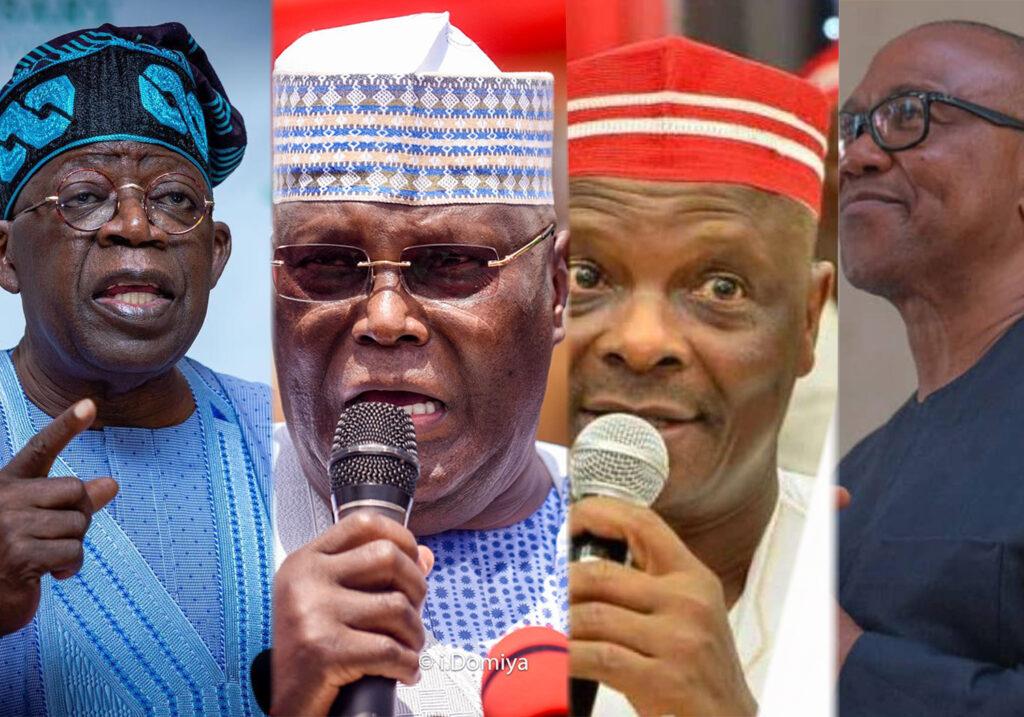
    Ahead of the 2027 presidential and general elections, opposition parties have expressed their determination to forge a united front against the ruling All Progressives Congress even leaders and stakeholders of the Peoples Redemption Party (PRP) and the African Democratic Congress (ADC) have met in Abuja as part of ongoing political realignment. The Social Democratic Party, SDP, and the New Nigeria Peoples Party, NNPP, particularly expressed confidence in their ability to field formidable presidential candidates despite internal crises and leadership disputes.

    This is coming amid growing political uncertainty affecting some parties, especially the African Democratic Congress, ADC, and the SDP, where leadership tussles over the composition of their National Working Committees, NWC, remain unresolved.

    The development has raised concerns over whether these parties — aside from the ruling All Progressives Congress, APC, and the newly registered Nigerian Democratic Congress, NDC — will be fully prepared to participate effectively in the 2027 elections. However, opposition parties insist they are making strategic moves to present credible alternatives and possibly form a united front against President Bola Tinubu and the APC.

    NNPP: We’ll present credible candidate

    Despite the exit of its 2023 presidential candidate, Senator Rabiu Musa Kwankwaso, the NNPP says it remains strong and will field candidates in 2027. National Secretary of the party, Dipo Olayoku, said:

    “NNPP will present a formidable candidate in 2027. Although Senator Rabiu Musa Kwankwaso has left the party, we believe the NNPP has attained a level of prominence that will continue to attract credible candidates for all elections. Based on our manifesto, we remain committed to offering Nigerians real hope for a better future.”

    SDP: Strategic moves underway

    On its part, the SDP said it was intensifying consultations and internal screening processes to ensure it produces a strong presidential candidate. National Publicity Secretary, Araba Rufus Aiyenigba, described the party as a growing political force with national appeal. “The SDP is currently the go-to party in Nigeria, considering its reach, influence, and the quality of its leadership at national and sub-national levels”, he said noting that the party has, in recent months, engaged key political stakeholders and groups, including Team New Nigeria (TNN), as part of efforts to strengthen its base.

    The SDP also claimed it is gaining endorsements from key northern socio-cultural groups, including the Arewa Consultative Forum, ACF, Northern Elders Forum, and the Movement for Good Governance. According to Aiyenigba: “With growing dissatisfaction in parts of the North, the SDP is well positioned to harness this momentum.” He further argued that rising insecurity, poverty, and economic hardship could shape voter decisions in 2027.

    “The APC risks rejection by the electorate over what many Nigerians consider underwhelming performance. The SDP remains the only credible alternative, given its growing national appeal and cross-regional support”, he added

    PRP, ADC leaders meet in Abuja

    Meanwhile, leaders and stakeholders of the PRP and the ADC have met in Abuja as part of ongoing political realignment. The strategic meeting which was held yesterday was attended by prominent officials from both parties.

    In his remarks,  the PRP National Chairman, Dr. Hakeem Baba-Ahmed expressed strong solidarity with the ADC with regard to its ongoing dispute with the Independent National Electoral Commission (INEC) and other government institutions. 

    The party  condemned ithe assaults and anti-democratic actions being directed at the ADC by certain forces, emphasizing that such conduct undermines our democracy and jeopardizes the nation’s stability.

    In response, the ADC National Chairman, Senator David Mark appreciated the unwavering support from the PRP, acknowledging that PRP is the only political party publicly standing with them during this challenging period. 

    Mark also expressed hope that the positive relationship between the two parties will remain harmonious, prioritizing the collective interests of the nation.

    Also present at the meeting were Malam Bolaji Abdullahi, ADC National Publicity Secretary; Comrade Muhammed Ishaq, PRP National Publicity Secretary; Malam Salihu Lukman, alongside other party officials.

    Vanguard News

    The post 2027: Opposition eyes united front against APC appeared first on Vanguard News.

  • Charly Boy: I lived wild, did drugs, survived cancer, now I’ve new life

    Charly Boy: I lived wild, did drugs, survived cancer, now I’ve new life

    •Unleashes his darkest secrets in his book, ‘999′

    By Fred Iwenjora

    Charles Chukwuemeka Oputa, popularly known as Charly Boy, is a Nigerian celebrity noted for his alternative lifestyle.  He is a singer, songwriter, actor and producer. In the wake of the seemingly unending media blitz preceding the launch of his highly anticipated book ‘999’, Charly Boy spoke with FRED IWENJORA on his battle with prostate cancer and inspiration from his father, late Supreme Court Justice Chukwudifu Oputa. He also dwelt on the book containing the risks he took as an adventurous young man which he confessed “were not too good, but crazy, stupid and foolish”.

    Excerpts:

    News of your upcoming book titled, ‘999’ is everywhere

    Oh yes. Like every other thing that I do and have done, this has to be big also. It has to stand out. ‘999’ is the beginning of a new phase for me. There were phases in my life when I loved big bikes and I popularised the biking culture in Nigeria as it were. However in the last eight years I have not been riding as religiously as I used to. There are different phases in a man’s life and even in the life of a nation. So I moved on to the next level which is a more reflective, sober state of being. ‘999’ is the beginning of a new thing. The Bible says old things shall pass away, so for me it is a new world I am confronted with. ‘999’ is not an autobiography, it is just a collection of different stories of what I have gone through in life. It is like a diary which I like to call Charly Boy’s memoir. The stories are about the good, the bad and very ugly things that I have been involved with, things that transpired in my life.

    How long have you been writing it and when is the book expected on the shelves?

    I started putting these thoughts together long ago but it never had a direction. Many editors and publishers did not quite understand what I had in mind and just collected my money. That is why I won’t call ‘999’ an autobiography. It is my memoir of an interesting, adventurous and risky lifestyle since Mungo Park.

    You mean you hid nothing in ‘999’?

    If you know me well, you know I do not hide anything. I commit sin in the market place and I have nothing to be afraid of. ‘999’ is a brutally honest story of an incredible character we all know and love as Charly Boy. ‘999’ is not just a new phase but also contains all I think about Nigeria and the different things we have been through as a country. The book is coming out in the next few months by God’s grace and I believe Nigerians will love to read the book. In the book, everyone would see themselves.

    I have gone through the tube and tyre. I have done all that is going on in any young person’s mind. ‘999’ is about the fact that no matter where you see yourself, just keep doing what you are doing, keep moving and the more we have humanity in our minds, the better for us all. The book contains things about the people I had the opportunity to work with and what I think about them, the different incidents and risks I took in my life. Yes, some of these risks were not too good but crazy, stupid, foolish and they are all contained in the book.

    When you say stupid, foolish, crazy I am tempted to ask like what?

    Getting into drugs was one of the most foolish things I did. I mean DRUGS like Cocaine. I did not do heroin.

    How did you return from the cocaine trip so to speak?

    I just quit. I was blessed with the grace to know the path I should not walk. Even though I was a very curious, adventurous stupid young man, I tried everything that I knew just once. When I started to see the bad side of what cocaine did to a friend of mine, I knew I had to run if I did not want to end like that. That was in Boston Massachusetts.

    I spent about five years in the US and returned to Nigeria because there is still no place like home. I set up a Charly Boy studio in Oguta, recorded ‘Nwata Miss’, ‘Obodo girigiri’. I also started the recording of ‘1990’ at Charly Boy studio before completing the album in Lagos. Those were humble beginnings for me.

    Why 999, why the title 999?

    The angelic number 999 symbolises both completion and a new beginning. It serves as a reminder to trust the process of life while bringing closure to certain habits, relationship and careers.

    Years ago when ‘My Private Part’ was released, we all thought it was all, no one knew you reserved some things

    (Pidgin English)…Of course Charly Boy no dey finish. Aside from many things and anything that is happening, how I go finish when I still move with the tide. I still dey hustle here. You know I love young people and believe that the salvation of our nation lies in the hands of its exceptional youths. They are the ones that keep me youthful and useful all at the same time. I can’t really go out of fashion because as I dey teach them, them dey teach me.

    Tell us about your battle with prostate cancer and why you set up a foundation to support men

    I set up the Charly Boy Foundation to support men suffering from prostate cancer challenges. We support them to pay part of their medical bills as well as other expenses so that they can get checked to know what is wrong. The earlier we know what is wrong about something, the earlier we seek redress and start trying to arrest the situation, the better for treatment. The reason I got involved is because I went through that route. Mine was in the first stage of cancer. In my usual character, I was on national television telling men about what I was just facing and battling with. That singular act helped in creating awareness that it was alright not to be alright. That it was alright for men to cry when they are emotionally affected by whatever.

    A man must not ‘chest’ everything just to prove that he is a man. Men do not like to take fresh breeze just because God gave them a heavy load to carry as men. They continue to keep it in until it’s late. Men should try confiding in fellow men they are close to. Days are gone when men should be hiding things from their fellow men because we are all in it together. Men should be a bit selfish sometimes. Men usually die first and in the case of many emergencies, women fall upon their children who seem to cling unto their mothers. I feel thankful to God that he has given me the power to contribute to this very important matter. In summary, what we do at Charly Boy Foundation is to help offset medical bills for men who have prostate issues. I am not doing this by myself. We have Zenith Bank, Samsung and other sponsors who are supporting us,  so we can do our advocacy in a lot more places. We have supported many so far.

    With Rotary International, over 800 men were tested not long ago at Ikeja Police College, Lagos. Most of the men were police officers who were tested free. Some also got medications. And this is so ironic because Nigeria Police owe me more than N50m awarded by the court for wrongful assault.

    In the many men you have met and interviewed, who has had the most influence and inspiration to you?

    I can say the first inspiration is my father. I interviewed my father a couple of times and developed a lot of respect for him. I did not know he was my role model until lately when I started reflecting on all he wanted to do in terms of my conditioning and brainwashing that was flowing from his side. 

    Of course you know I rebelled against his kingdom which is normal for young adventurous and sometimes rebellious children like me. We had two interviews which were so hilarious, father and son chatting on national television. I thought I knew everything about the man but I ended up knowing that I knew nothing about him.

    My father was such a great sport. If he were alive today, I think he would have been my manager or my attorney. That is what I miss in fact. Now, I have the kind of money to pay for his erudite services. I am very proud of the bonding I had with him and my mum before he passed on. It was something emotional. For most children, no matter how prodigal one may be in nature, family is still very strong especially when in the family, you have very reasonable, positive and progressive kind of people. In fact, family is everything.

    The post Charly Boy: I lived wild, did drugs, survived cancer, now I’ve new life appeared first on Vanguard News.

  • Drug Addiction: Youths hit hard as 14.3m Nigerians consumed illicit drugs in one year

    Drug Addiction: Youths hit hard as 14.3m Nigerians consumed illicit drugs in one year

    By Chioma Obinna

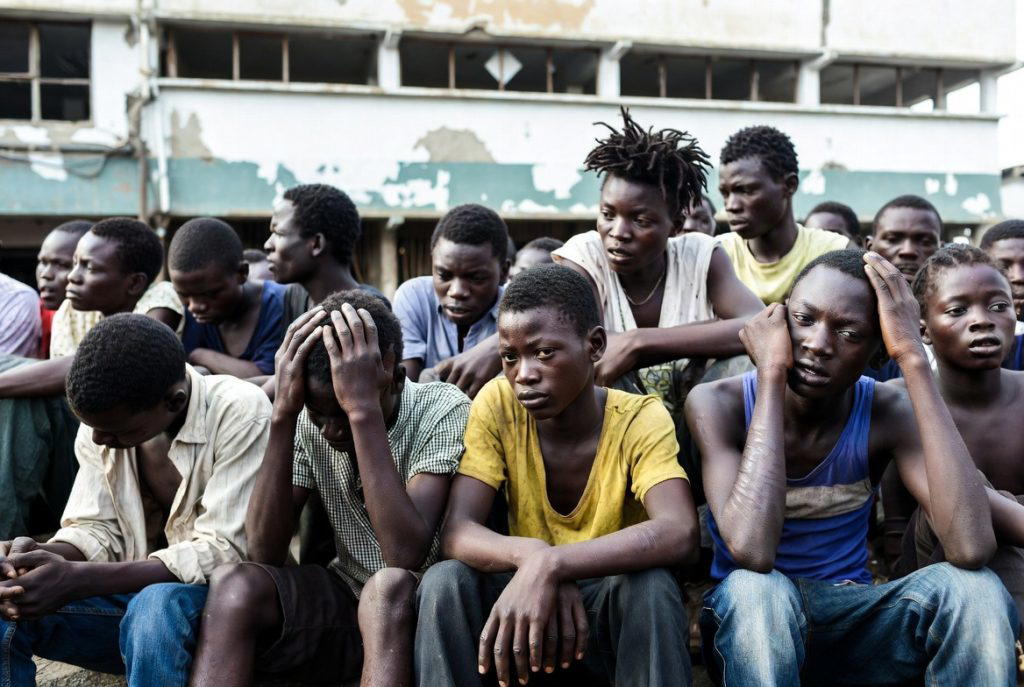
    Illicit drug use among Nigerians has reached an emergency level with millions, especially young people caught in cycles of substance abuse and addiction and experts have warned that without decisive action, Nigeria risks losing an entire generation to addiction.

    Some survivours of drug addiction in their testimonies have also regretted getting involved in hard drugs while the affected parents lamented what it cost them having a drug addict as children.

    The last National Drug Use Survey of the National Drug Law Enforcement Agency showed that 14.3 million Nigerians aged 15 to 64 had used illicit substances excluding alcohol and tobacco within a one-year period, and that the crisis is most severe among the youth population.

    Director-General of the National Agency for Food and Drug Administration and Control, NAFDAC,

    Prof Christianah Adeyeye, warned that Nigeria’s drug crisis has escalated into a major public health and national security threat, stressing that the scale of abuse is far beyond isolated cases.

    Similarly, Director of Media and Advocacy of the National Drug Law Enforcement Agency, NDLEA, Mr Femi Babafemi, said the scale and speed of the problem demand urgent, nationwide action as the situation can currently be classified as indeed a national emergency.

    Thousands of vulnerable Nigerian youths scattered all over Nigeria, have now found solace in hard drugs. For N500 or N1,000, which is less than the price of a loaf of bread, they buy themselves what they call relief. A bottle of coke or energy drinks and a pill, doctors say, is often the beginning of addiction. Across Nigeria, cheap and easily available drugs such as tramadol, codeine syrup, and cannabis are finding their way into the hands of teenagers, students, and unemployed youths.

    More concerning, however, is that these young Nigerians are now discovering local and improvised ways to get high. What was once a hidden problem is now visible on street corners, in university hostels, and in urban and rural neighbourhoods.

    The appeal is simple: affordable, accessible, and fast-acting drugs offer a fleeting sense of energy, confidence, or escape from stress. Yet that temporary relief can quickly turn into long-term dependence, reshaping behaviour and life trajectories.

    According to the National Drug Law Enforcement Agency (NDLEA), between January and February 2026 alone, 3,913 arrests, 581 convictions, and over 113,000 kilograms of seizures were recorded. Despite seizures, arrests, and public awareness campaigns, the supply chain remains difficult to control, with substances flowing from legitimate pharmaceutical sources into informal markets and street-level distribution. For many young Nigerians, the path to addiction begins with something dangerously affordable, a cheap high.

    Changing face of addiction

    For less than the price of a meal, a youth can buy a pill that promises energy, confidence or a temporary escape. Tramadol tablets, often sold in strips of 10–20, go for as little as ¦ 500, while bottles of flavoured codeine syrup cost under ¦ 1,000. Street vendors, informal kiosks, and even some pharmacies make these drugs easy to access, often without prescriptions.

    Across Nigeria, the ways young people get high are changing, shaped by cost, availability, peer influence, and environment. In Lagos and Port Harcourt, tramadol, codeine syrup and cannabis dominate. Imported and synthetic strains, like “Colorado,” and locally mixed blends with chemicals are increasingly common. Shisha lounges, nightclubs, and campus hotspots have become social hubs for smoking cannabis and experimenting with flavoured tobacco mixtures.

    In Abuja, Rohypnol and diazepam are misused while alcohol-drug mixes, energy drinks with codeine or tramadol are becoming popular. Homemade concoctions, like “monkey tail,” a local gin mixed with cannabis, circulate in urban areas.

    Rural communities face a different challenge. Petrol fumes, glue, paint thinners and vulcanizing solution are widely abused. Some youths mix candy with soft drinks, smoke plant leaves like pawpaw, or combine multiple substances for stronger effects. These improvised methods reflect curiosity, boredom and limited resources.

    Despite regional differences, prevalence rates among urban and rural youth are similar. The crisis is fueled by affordability, easy access, and social normalisation; some substances are cheaper than soft drinks. Drug use among young Nigerians is no longer only about hard drugs. It has become a culture of coping, experimentation, and survival, where anything from cough syrup in Lagos to petrol fumes in rural communities can provide a fleeting escape.

    Slipping into addiction: Abiodun’s experience

    For Abiodun, it started during exam season. The former university student began taking tramadol to stay awake and focus. “At first, it was just to stay awake and focus. Then I started taking more, skipping classes, avoiding my parents. It got out of control fast.”

    His parents noticed changes but didn’t know how to respond. “My parents tried talking to me; I just shut them out. By the time I realised I was addicted, it was already too late,” he said. Psychiatrists treating Abiodun say his pattern is common. “Young people often start with one pill, thinking it’s harmless. Within weeks or months, they develop tolerance, dependency, and mental health issues like anxiety, depression, or psychosis.”

    Families in crisis: Chinedu’s family cries out

    Like Abiodun, Chinedu is homeless today. He began with codeine but graduated to all manner of drugs, including local concoctions. Efforts by relatives to stop him proved abortive.

    His father, Mr. Livinus, narrated the ugly transformation of his son. “He started coming home late, withdrawing from the family. Then things escalated. Money began to disappear. His behaviour became erratic, aggressive one moment, withdrawn the next. It felt like we were watching a completely different person replace the child we knew.”

    Attempts to seek professional help were complicated by cost, distance, and limited availability of treatment centres. “There were times he promised to change,” his father added. “But he kept relapsing. Families like ours face stigma, limited support, and financial strain. Parents need to stay observant, communicate openly with their children, and seek help early.”

    From darkness to light: Abdulmalik Yahaya speaks

    For another survivor, Abdulmalik Yahaya, addiction began quietly, disguised as relief. He first encountered codeine at just 15 years old, struggling with a fractured home. “Family dynamics started taking their toll. I felt I had no one to talk to. Watching it unfold before my eyes broke my heart,” he said.

    A friend introduced him to codeine: “His response was simple: ‘Have this.’ I didn’t know that moment would change my life.” What began as an attempt to escape a harsh reality slowly became a deepening spiral. At first, it was codeine and Rohypnol, then shisha, cigarettes, and cannabis. Dependence set in, and he built a network of friends and dealers to sustain it.

    Abdulmalik started skipping classes, becoming the “black sheep” of his family, losing self-esteem, and distancing from friends. “My dad was furious, stopped talking to me, but he always wanted me to understand I was capable of being loved. My mom didn’t live to see my sobriety, but she prayed and motivated me to quit.”

    According to him, the turning point came after an intense cannabis episode that led to hallucinations. His family intervened, taking him to a rehabilitation centre. Recovery was challenging.

    “I had to say goodbye to so many people I called friends. Even after three years of sobriety, I still feel different, but positive self-talk and awareness of the damage drugs did are enough motivation.”

    Writing became his lifeline. “I documented my reflections, regrets, determination, and despair. This became a testimony, then a manuscript, now a published collection of poems. Sharing my story is a huge part of my support system.”

    Today, Abdulmalik encourages others: “Don’t do drugs. For those already affected, addiction may bury your purpose for a while, but it can never erase it. There is always a way back from the ashes. If I could do it, anyone can.”

    A nurse’s battle

    Ekanem-Uweme’s journey began with medical need. Misdiagnosed initially with an incomplete abortion, she later discovered a ruptured tubal pregnancy requiring emergency surgery. Amid physical and emotional pain, a colleague suggested extra Pentazocine for relief. Occasional use slowly became dependent.

    “At first, I could go for days without it, but over time, the use became more frequent. After an accident, addiction truly began,” she said. Working in a hospital, she sought help but faced rejection: “I was asked to leave my job and handle the situation alone. I felt ashamed and broken.”

    Her life spiralled—severe injection wounds, near overdose, and despair. On December 31, 2018, she realised: “Nothing gained, everything lost. That was the moment I chose recovery.” Recovery was neither instant nor easy. She battled sleepless nights, stayed committed, and rebuilt her life. She completed her university education, supports others struggling with addiction, and speaks publicly about recovery. “Anyone willing can recover,” she said. “My mission is to turn pain into purpose. If my story can help even one person, it is worth sharing.”

    Drug abuse crisis

    Unlike Abiodun, Chinedu, Abdulmalik and Aggie Ekanem-Uwememay who have been lucky to overcome addiction, millions of Nigerians have been lost to addictions. According to the last National Drug Use Survey, 14.3 million Nigerians aged 15 to 64 had used illicit substances excluding alcohol and tobacco within a one-year period, representing a prevalence rate of 14.4 percent, nearly three times the global average.

    Also, in some private and public hospitals across the country, like the Neuro-Psychiatric Hospital, Aro Abeokuta, roughly 75 percent of patients have drug-related problems. However, the story of drug experimentation extends beyond pharmaceuticals and cannabis. There are alcohol mixtures and homemade concoctions, like “monkey tail” among others which are improvisations born of curiosity, desperation, and limited options and experts say this reflects a troubling trend.

    According to a Senior Consultant Addiction Psychiatrist at Neuro-Psychiatric Hospital, Aro, Dr. Ayantunde Ayankola, drug abuse is when substances alter mood, thinking or behaviour to the point that daily life, work or social interactions are affected. He highlighted cannabis as a leading contributor to drug-induced mental health issues, including psychosis, depression, and anxiety.

    Ayankola, argued that alcohol and tobacco cause physical health problems, while opioids like tramadol can trigger seizures or even suicidal tendencies. He explained that addiction is progressive and destructive. “Character, reputation, school performance, and work decline. Families break down, communities suffer, security becomes a concern,” he said.

    He declared that the country is facing a growing drug abuse epidemic that is devastating the nation’s youth, threatening families, and straining communities. “Some patients develop psychosis, seeing things others cannot see or holding beliefs that are not in touch with reality. Other symptoms may resemble depression or anxiety. Alcohol and tobacco cause serious physical health problems. Globally, tobacco alone contributes to cancer, lung disease and hypertension. Drugs like Tramadol can trigger seizures, withdrawal, or even suicide,” he said.

    Disclosing that early exposure increases risk, particularly among youth aged 18–35, who form the bulk of patients in his hospital, he said short-term consequences include accidents and risky behavior while long-term use rewires the brain, trapping youth in addiction.

    The youth are particularly at risk. The 2017 Nigerian Drug Survey revealed that those aged 18 to 35 are the highest users of drugs, with Southwest Nigeria reporting some of the largest numbers. “In our hospital, roughly 75 percent of patients present with drug-related problems, either dependence or co-occurring mental health conditions. One in four users are female, but only one in 20 seek treatment,” Ayankola noted.

    He further explained that early exposure increases the likelihood of addiction and mental health complications. “Young people may develop psychosis, mood disorders, or risky behaviours. Some may exaggerate self-esteem or take dangerous risks. This is why so many resources target youth prevention,” he said.

    Families play a key role in prevention. “Parents need to notice unusual behaviour, declining grades, or withdrawal from social life. Early intervention is critical. Schools and communities must educate youth before problems escalate.”

    Recovery is possible but challenging. “Stopping drugs is only one aspect. True recovery means regaining life and functioning. Addiction is treatable but not curable, like hypertension. With family and community support, people can recover and live meaningful lives.”

    Ayankola warned of inadequate rehabilitation infrastructure. “With over 14 million affected, comprehensive facilities are few. Rehabilitation, follow-up, prevention, and multisectoral collaboration are essential. Policies exist but are poorly implemented due to low political will and limited funding.

    “Drug abuse is a societal threat. It requires government commitment, family vigilance, and community engagement. Prevention, early intervention, and treatment programs are key. If we act decisively, we can save lives, protect families, and secure the future of our youth.”

    Nigeria facing hidden epidemic – Dr. Martin Awogie

    In a chat with Saturday Vanguard, Addictologist, Dr. Martin Awogie warned that drug use may now affect as many as one in four Nigerians. “The last comprehensive survey in 2018 found one in seven used drugs. Recent community-level studies suggest this figure may now be significantly higher with one in five or even one in four,” he said.

    Awogie described a growing culture of locally made and improvised substances, often unpredictable in composition. “Users often do not know what they are consuming, which increases health risks and complicates treatment. Young people experiment with anything that gives a high, combining chemicals, herbal mixtures, and pharmaceuticals.”

    These substances are cheap, widely available, and often distributed with marketing strategies, including free samples. While drug use crosses social classes, unemployment, economic hardship, and untreated mental health conditions are key drivers. Graduates unable to find work may drift into environments where substance use is common.

    Awogie stressed that awareness alone is insufficient. “Real progress requires family and community support, school-based guidance, and mental health interventions. Public campaigns alone risk becoming like sweeping dirt under the carpet.”

    Out of millions of users, over 2 million suffer from substance use disorders requiring care. Existing rehabilitation facilities can accommodate less than 10 percent of those in need. The country also faces a shortage of trained addiction specialists.

    He lamented that government commitment is low, and NGOs, while impactful, rely heavily on international donors. “All major programmes executed by GISA, including family and school-based interventions in Lagos and Ogun, were funded entirely by international donors. No single support came from within Nigeria. The scale of the problem is immense.”

    Awogie called for a whole-of-society response. “This goes beyond the government. Families, schools, religious institutions, and communities must all act. We need to address the root causes, prevent early exposure, and support treatment and recovery.”

    NDLEA reacts

    Director of Media and Advocacy of the National Drug Law Enforcement Agency, NDLEA, Mr Femi Babafemi, said cannabis remains the most seized drug, but synthetic opioids, tramadol, codeine syrup, and synthetic cannabis are rising sharply. These are often diverted from pharmaceutical supply chains or smuggled. Traffickers now use unconventional routes, bush paths, and deceptive concealment in vehicles and even baby items. “They now use bush paths and unconventional routes. We have had to lay ambushes based on intelligence to intercept them.” Smugglers are also deploying increasingly deceptive concealment methods. “We have seen drugs hidden in vehicle compartments, tires, and even in baby items like toys and diapers,” Babafemi revealed.

    “Among youths, the prevalence is even more staggering, the majority are within the productive years, pointing to those aged 25 to 39. He warned that the growing number of young users threatens not only public health but also the country’s workforce, productivity, and long-term development.

    These substances, he explained, are often diverted from legitimate pharmaceutical supply chains or smuggled into the country through informal routes. Despite tighter surveillance at airports, seaports, and official land borders, traffickers are adapting quickly.

    Findings have shown that Nigeria’s drug problem is fueled by a complex international network. He said cocaine shipments are frequently traced to South America, particularly Brazil, while synthetic opioids are often linked to India and methamphetamine to China.

    Babafemi disclosed that recent enforcement actions have targeted international trafficking networks, including merchant vessels. “We have secured convictions and heavy fines against some vessels involved in cocaine trafficking and penalties running into millions of dollars”, he said.

    However, once inside the country, drugs are distributed through local hubs, particularly, open drug markets. He identified Idumota and Ebute Ero markets as key centres of illegal distribution, where recent operations uncovered large quantities of diverted pharmaceuticals.

    “Open drug markets are primary culprits for mass illegal distribution,” he said. While many licensed pharmacies comply with regulations, informal medicine vendors, especially, in rural areas, remain a significant concern.

    He also raised alarm over the targeting of schools and universities by drug networks. “We have intercepted drug cookies, brownies and candies specifically packaged to appeal to students,” Babafemi said.

    In response to the drug crisis, he said the Federal Government has adopted a drug integrity test policy for students and prospective public sector employees, aimed at early detection and deterrence.

    Over the past five years, the NDLEA has made 77,859 arrests, secured 40,122 convictions, and seized nearly 15 million kilograms of illicit substances. More than 2,000 hectares of cannabis farms have also been destroyed. In the first two months of this year alone, 3,913 arrests, 581 convictions, and over 113,000 kilograms of seizures were recorded.

    Beyond enforcement, the agency operates 30 treatment and counselling centres nationwide, with nearly 49,000 people already supported. To address stigma and access barriers, a 24-hour toll-free helpline staffed by mental health professionals provides confidential assistance in multiple Nigerian languages.

    Despite intensified crackdowns, Babafemi emphasized that enforcement alone cannot solve the crisis.

    “The moment the foundation is broken, children become vulnerable. We need parents to go back to intentional parenting.” He stressed the need for a “whole-of-society approach,” involving families, schools, religious institutions, and communities.

    With proposed amendments to drug laws expected to impose stricter penalties including jail terms of up to 25 years for traffickers, the NDLEA scribe said the fight is entering a decisive phase. “We are on the right and strong path,” Babafemi said. “But everyone has a role to play.”

    Weak drug distribution system fueling abuse crisis- NAFDAC DG

    According to the Director-General of the National Agency for Food and Drug Administration and Control, NAFDAC, Prof Christianah Adeyeye,”This is not a fringe issue. It is mass exposure,” she said, citing national data showing that millions of Nigerians are already using opioids such as tramadol and codeine for non-medical purposes. She explained that while Nigeria operates a structured regulatory framework for controlled medicines, the real danger lies outside formal systems.

    “Our control model is strong on paper and increasingly digital, but the greatest vulnerabilities remain in informal distribution networks, post-import diversion, smuggling, and weak last-mile control,” she stated.

    Adeyeye highlighted the scale of the illicit drug economy, describing recent enforcement operations as unprecedented. “The open drug market crackdown in Onitsha, Aba, and Lagos was the largest in our history, with seizures valued at about ¦ 1 trillion,” she revealed, noting that thousands of shops were sealed to dismantle major distribution hubs.

    She raised alarm over the structure of Nigeria’s drug supply chain, pointing to the dominance of unregulated markets. “When three open markets account for over 80 per cent of medicine distribution, you immediately see the structural problem. It creates an environment where legitimate products mix easily with fake, smuggled, expired, or diverted drugs,” she said.

    Adeyeye also underscored the growing role of technology in tightening control over narcotics, noting that the agency is moving toward full supply chain visibility. “Narcotics and controlled medicines are especially prone to diversion, which is why we are deploying serialization and track-and-trace systems to monitor them from manufacturer to patient,” she said. “With GS1-based traceability, every product can be verified, and its movement tracked across the supply chain.”

    She cautioned that even the most advanced systems would fall short without sustained enforcement and inter-agency collaboration. “The opioid problem is not just a medicine regulation issue; it is a supply chain crime issue,” Adeyeye said. “We are working closely with NDLEA, Customs, and other security agencies to disrupt illegal flows and strengthen border controls.”

    She stressed that enforcement alone cannot resolve the crisis without deeper systemic changes. “Without tougher penalties, full traceability, formalised distribution, and stronger youth prevention, this problem will keep regenerating,”she warned. She called for stricter sanctions and expanded monitoring systems to curb drug abuse nationwide.

    Blame systemic gaps: Pharm Jonah Okotie

    On his part, a seasoned community pharmacist, Pharm Jonah Okotie highlighted poor implementation of prescription policy and unregulated access. “While registered facilities struggle to maintain stock, illegal outlets, hawkers, and bus vendors seem to have constant supplies. People come with sachets, and you wonder where they got it from,” he said.

    Routine inspections help, but minor infractions can damage reputations and economic viability. “The genuine need for medicines remains unaddressed by the government and NAFDAC. There should be a special distribution mechanism to ensure access to essential medicines. This is a matter of health, life, and the economy of the nation,” he said.

    Okotie emphasised the human cost: “Unregulated drug sales contribute to mortality, morbidity, and lost productivity. Pharmacy is a vital arm of medicine, crucial for patient safety and treatment outcomes, yet it lacks recognition and support.”

    From Lagos streets to rural towns nationwide, cheap drugs are reshaping Nigeria’s youth, families, and communities. Survivors like Abdulmalik and Aggie Ekanem-Uwem demonstrate the possibility of recovery, yet the statistics, expert warnings, and family tragedies reveal a crisis demanding urgent attention.

    Experts are emphasising a multi-pronged solution, prevention, family engagement, education, enforcement, treatment, and mental health support, adding that without decisive action, Nigeria risks losing an entire generation to addiction.

    According to Awogie, “This is our problem, and we must address it.” From hidden corners to public streets, the epidemic touches every life. Awareness, compassion, and collective responsibility can turn despair into hope and offer young Nigerians a future beyond cheap highs and broken lives.

    Nigeria faces a hidden epidemic, where cheap highs and improvised substances are reshaping the lives of its youth. Families are torn apart, schools and communities strained, and millions of young people are caught in cycles of addiction.

    Survivors’ stories such as those told by Abdulmalik Yahaya and Aggie Ekanem-Uwem show that recovery is possible, but only when support, awareness, and accessible treatment are prioritised.

    Vanguard News

    The post Drug Addiction: Youths hit hard as 14.3m Nigerians consumed illicit drugs in one year appeared first on Vanguard News.

  • West Africa’s healthcare investment momentum builds as WHX returns to Nigeria 

    West Africa’s healthcare investment momentum builds as WHX returns to Nigeria 

    Nigeria’s healthcare sector is undergoing rapid transformation, with forecasts predicting a 7.1% expansion and an anticipated market value of US$161.7 million by 2027. This growth is fuelled by a US$1.2 billion Federal Ministry investment in infrastructure and workforce, major oncology and diagnostic expansions by the Nigeria Sovereign Investment Authority, and increased imports under the African Continental Free Trade Area (AfCFTA). Despite progress, 70% of patients continue to pay out-of-pocket, underscoring substantial opportunities for private sector innovation and investment.

    Statista data shows Nigeria leads West Africa’s medical device sector, with the market projected to surge from US$414.8 million in 2025 to US$632.48 million by 2030 (8.56% CAGR). High-growth peers Ivory Coast (9.24% CAGR), Cameroon (9.3% CAGR), Senegal (8.21% CAGR), and Ghana (6.6% CAGR) are also experiencing hospital modernisation, digital diagnostics expansion, and progress toward universal health coverage.

    Nigeria is building more accessible, affordable, and high-quality healthcare systems through strategic investment, technology, regulatory reform, and an emphasis on preventive care. However, It is important to recognise that Nigeria’s large and youthful population, projected by the Organisation for Economic Co operation and Development to reach 250 million by 2025, has widened gaps in both primary and specialist care. At the same time, the government’s encouragement of investment has opened opportunities for growth at every level of healthcare service provision.

    For healthcare professionals and business leaders, World Health Expo (WHX) in Lagos is West Africa’s premier B2B platform for turning market potential into partnerships and impact. Returning to the Landmark Centre from 2 – 4 June 2026, WHX unites more than 500 exhibitors, over 8,000 professional visitors from more than 40 countries and 30 speakers to discover new insights and explore emerging trends, network with top healthcare innovators, source new business opportunities and accelerate professional growth.

    “As partners with WHX, we are excited to drive market access dialogue that aligns with national health goals and promotes regional trade,” notes Njide Ndili, President, Healthcare Federation of Nigeria.  “Leadership lies at the heart of healthcare transformation. The shift from care to capability is key to the long-term success of healthcare institutions, with leadership development at its core. But to truly transform healthcare in Nigeria and across Africa, these efforts need to be scaled and replicated across all levels of the system and WHX is designed to make that possible by connecting stakeholders, surfacing best practice models, and supporting the practical deployment of proven solutions.”                                   

    This year’s three-day agenda positions WHX as a dynamic trade-focused platform with concise, partner-led Leadership Forums. The Healthcare Market Access & Policy Leadership Forum on 2 June, in partnership with the Healthcare Federation of Nigeria, spotlights market access and policy leadership through keynotes, panels, and Q&A sessions on regulatory harmonisation and AfCFTA opportunities under the theme “Enabling Market-Ready Health Systems: The Role of Diagnostics, Digital Infrastructure, and Human Capital”. The Hospital Investment & Buyer Leadership Forum, held in collaboration with ABCHealth on 3 June, highlights investment and strategic partnerships for hospitals and buyers, covering financing and procurement. Meanwhile, the Heads of Laboratory Forum on 4 June, held in partnership with the Medical Laboratory Science Council of Nigeria, serves as a dedicated platform for lab leaders and decision-makers to address key priorities in advancing diagnostics across West African region.               

    “WHX is more than dialogue: it is where policy ambition becomes impactful collaboration, accelerating West Africa’s emergence as a healthcare leader under the African Continental Free Trade Area,” said Tom Coleman, Portfolio Director – Healthcare, Informa Markets. “With Nigeria’s young population approaching 250 million and dynamic neighbouring markets like Ghana, WHX stands at the epicentre for investors and visionaries to drive transformative growth in infrastructure, technology, and healthcare services in West Africa.”      

    This landmark event brings together top exhibitors showcasing cutting-edge medical solutions, alongside world-renowned speakers who share insights that matter, creating opportunities for market expansion and strategic partnerships. Sectors represented at the exhibition include medical devices and equipment, disposables and consumer goods, orthopaedics & physiotherapy, imaging & diagnostics, healthcare & general services, healthcare infrastructure, wellness & prevention, laboratory as well as IT & solutions.                 

    New features at WHX include an integrated Lab Zone, showcasing diagnostics, equipment, and consumables with live demonstrations, a networking lounge for business connections, as well as hands-on workshops, expert insights and buyer matchmaking to drive commercial outcomes.                

    The WHX portfolio includes three key healthcare events in Africa, held in Johannesburg, Nairobi, and Lagos. These events form a unified platform that connects global brands with regional distributors.  

    The post West Africa’s healthcare investment momentum builds as WHX returns to Nigeria  appeared first on Vanguard News.
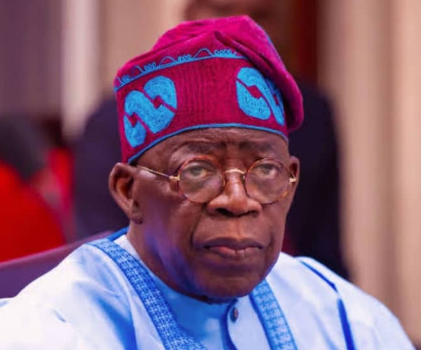
  • If good people stay out of politics, we shouldn’t be surprised by poor outcomes — Constance Ikokwu

    If good people stay out of politics, we shouldn’t be surprised by poor outcomes — Constance Ikokwu

    By Prisca Sam-Duru

    Dr. Constance Ikokwu is a journalist, political analyst, media strategist, and deep thinker, with a PhD in Journalism and Communications.

    Her doctoral thesis which was on the intersection of media and politics, specifically examining the concept of mediatization, and the role of media during elections, could well be one of the reasons she finds herself venturing into politics.

    Her vast experience in the field includes teaching media courses at the Institute for American Universities (IAU), Barcelona, Spain, and at the Universitat Autonoma de Barcelona Department of Journalism and Communication Sciences. Interestingly, her work has taken her across Nigeria, Africa, Europe and the Americas. She was Washington, D.C. Bureau Chief for THISDAY Newspapers in 2007, and as such interviewed global personalities, and covered the world’s leading economic and political institutions such as the World Bank, IMF, US Congress, White House, United Nations, think-thanks, etc.

    In the course of her career, Ikokwu who’s from Idemili North and South Federal Constituency has been Foreign Editor, Deputy Editor, Abuja Bureau Chief, Enugu Bureau Chief, Editorial Page Editor, member of the Editorial Board, Secretary to the Editorial Board, Online Editor, Strategic Communications Adviser, Radio host, and Television anchor.

    Ikokwu whose rich profile speaks volume about her readiness to make additional impact on her people , spoke to Saturday Vanguard about her reason for joining politics, and much more. Read on.

    Why did you decide to contest for a chance to represent Idemili North and South Federal Constituency in the House of Representatives on the platform of African Democratic Congress (ADC)?

     Well, a couple of realities informed my decision. The South East has traditionally been a stronghold of the Peoples Democratic Party (PDP), but in recent years the party has struggled to maintain its dominance in the region. Meanwhile, the All Progressives Grand Alliance (APGA), despite its deep roots and influence in Anambra State, has found it difficult to expand its footprint beyond that base.

    In contrast, the African Democratic Congress (ADC) is beginning to appear as a promising platform, attracting a diverse range of voices and perspectives from across the country, and positioning itself as a broader, more inclusive alternative. Having said that, Nigerian politics is very dynamic and always changing. I’ve made this decision with a view to handle whatever comes next.

     You spent years holding power to account as a journalist, what was the specific tipping point that made you decide to stop reporting on the gaps in governance and start trying to close them yourself?

    I’ve had a flourishing and rewarding career in journalism. But, this is not a sudden decision. I’ve been reflecting on the idea of participating more directly in politics for some time now. Given the scale of the challenges facing our country, and the fact that women are underrepresented, I have come to a point where it feels like a now-or-never moment. This feels like the right time to step forward and contribute in a more direct and meaningful way.

    What are some of the urgent everyday realities facing your community that you plan to prioritize in the House of Representatives?

    Some of the biggest worries of our constituency range from the severe threat of gully erosion, flooding, poor road networks that affect quality of life in many towns, security, jobs, among others.

    Could you share how your background as a high-profile journalist and analyst will influence the way you approach lawmaking and the typical horse-trading of Nigerian politics, while ensuring the interest of your constituents are top priority?

    It’s a lot of work but some of the ways I hope to do well in politics include building a strong grassroots base. This is not a one-time event. It’s continuous and I’m in it for the long haul. Secondly, leveraging credibility and visibility are essential. Thirdly, forming strategic alliances with relevant groups, and staying resilient, among others.

     Nigeria’s political landscape is notoriously difficult for genuine and patriotic citizens, and much worse for women to navigate. What is your strategy for breaking through these systemic barriers and securing a seat at the House?

    Finding like minds will be one of the most important weapons in this journey of service. One person cannot do it alone. We need a collective and I’ll be looking for that. Using investigative skills, public engagement, and data to shape bills around real citizen needs is another approach to law-making that I will employ.  All these, while openly communicating positions to my constituents.

     You mentioned earlier that politics shouldn’t be left only to career politicians. How do you plan to convince voters that a professional or outsider is better equipped to deliver results than a career politician?

    Politics shapes everything, our schools, jobs, security, so it cannot be left to a small circle of career politicians. We need people with real-world experience from teachers to journalists, entrepreneurs, and other professionals who understand problems from the ground up and can bring fresh thinking into governance. Talking to people, advocating about how important it is when more citizens step in. Politics becomes less about survival and more about solutions. In short, my talking point is; if good people stay out of politics, we shouldn’t be surprised by poor outcomes.

    Your move will likely inspire other female journalists and most competent Nigerians to step up. What is your direct message to professionals who are currently afraid or hesitant to enter the political trenches?

    Message to people afraid to join politics – To every capable Nigerian, especially women, who are hesitant about politics. I understand the fear, the doubts, and the barriers. But the truth is, the cost of staying away is far greater than the risk of stepping in. If those with competence and integrity hold back, we leave the future in the hands of those who may not have either. Your voice, your experience, and your courage are needed now more than ever. Politics may not look inviting, but it will not change unless people like you step into it. You don’t have to be perfect, you just have to be committed. Our country needs your ideas, your values, and your leadership. 

    This is the moment to move from concern to action. If you are competent and care about Nigeria, this is your call to step forward. Don’t wait for the system to fix itself; be part of the people who fix it.

    Finally, my mantra is Politics for Public Good. Take Back Your Government!

    Vanguard News

    The post If good people stay out of politics, we shouldn’t be surprised by poor outcomes — Constance Ikokwu appeared first on Vanguard News.

  • APC Convention: Youth representative backs Tinubu’s agenda, calls for greater inclusion

    APC Convention: Youth representative backs Tinubu’s agenda, calls for greater inclusion

    Hails NELFUND, NiYA as Key Drivers of Youth Empowerment

    By Ibrahim Hassan-Wuyo

    ABUJA — A youth representative at the All Progressives Congress (APC) National Convention, Daniel Ogoloma, has expressed support for the policy direction of President Bola Ahmed Tinubu, describing recent initiatives as efforts to place young Nigerians at the centre of national development.

    Speaking at the convention held at Eagle Square, Ogoloma said Nigerian youths are increasingly becoming active contributors to the country’s growth rather than passive observers.

    “I stand before you today as a proud young member of the APC and as living proof that the future of Nigeria is already here, and that future is a young one,” he said.

    Aligning his remarks with the administration’s Renewed Hope Agenda, Ogoloma commended what he described as a shift toward tangible investments in the youth population.

    He highlighted the Nigerian Education Loan Fund as a major intervention expanding access to education, noting that it has created new opportunities for students and families across the country.

    Ogoloma also praised the Nigerian Youth Academy and its “one youth, two skills” initiative, which he said is equipping young Nigerians with practical and employable skills.

    According to him, digital and enterprise-driven programmes, including NiYA Gigs and initiatives by the National Information Technology Development Agency, are opening new pathways for innovation and income generation among youths.

    “This is not ordinary governance; it is a deliberate commitment to unlocking the potential of a generation,” he stated.

    His address drew attention from party stakeholders and younger participants, reflecting what he described as a growing emphasis on youth inclusion within the APC.

    Ogoloma urged young Nigerians to take advantage of emerging opportunities and actively participate in nation-building.

    “The door is open. Step in, skill up, rise up, and build,” he said.

    The post APC Convention: Youth representative backs Tinubu’s agenda, calls for greater inclusion appeared first on Vanguard News.
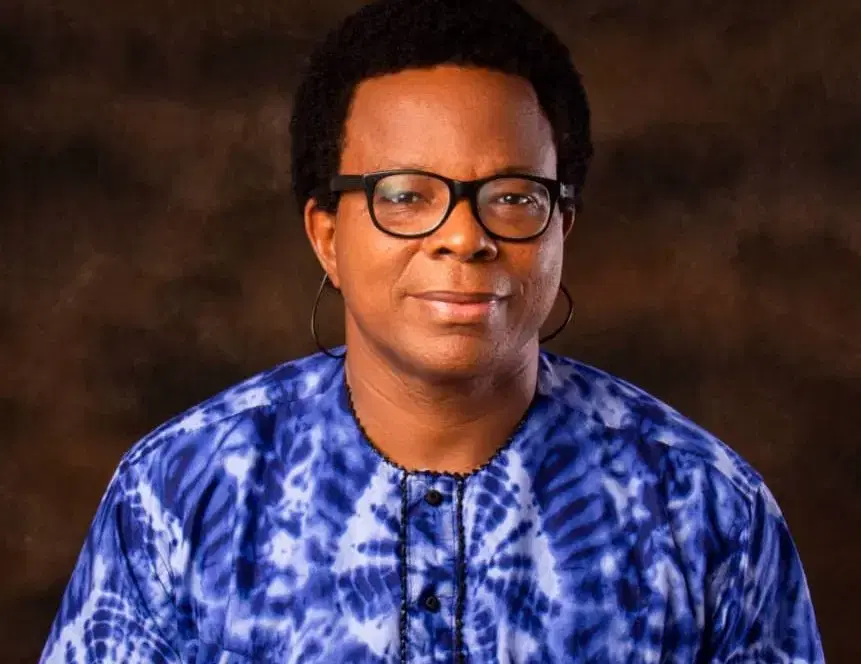
  • The global energy hypocrisy, African dilemma, and carbon contradiction

    The global energy hypocrisy, African dilemma, and carbon contradiction

    By Kizito Alakwe

    The United Nations Climate Change Conference published its executive report on the 30th UN Climate Change Conference of the Parties (COP 30) on March 26, 2026. The conference took place in Belém, Brazil. After two weeks of intense discussion, member nations made a series of decisions that are now known as the Belém Political Package. These decisions were made in light of rising expectations and the effects of climate change. One of the main results of the conference is the demand for a clear promise to stop using fossil fuels. This demand was opposed by countries that produce fossil fuels, with Nigeria among the concerned parties.

    The conference leaders promised to make a plan to move away from fossil fuels in a “just, orderly, and equitable manner” toward what they called “net zero” targets.

    Many African countries don’t like this stance because Africa’s energy shift is at a critical point. Africa has some of the world’s richest renewable energy resources, including solar, wind, and water. However, it relies heavily on fossil fuels for energy. More than 70% of Africa’s electricity still comes from coal, oil, and gas.

    Given the widely accepted notion that we need to protect the environment and use less fossil fuels, it is unsettling to see the sudden attention to oil and gas as the primary global source of energy, occasioned by the crises in Venezuela and the US/Israel-Iran war.

    On January 3, 2026, U.S. troops captured Venezuelan President Nicolás Maduro in a military operation and took him to New York to face long-standing federal drug trafficking and narco-terrorism charges. The Trump administration first called the operation a crackdown on a “criminal network” that was bringing cocaine into the U.S. This narrative, however, changed as the U.S. announced their desire to take over Venezuela’s state-owned oil industry, which has the world’s largest proven oil reserves. As of March 2026, the U.S. Strategic Petroleum Reserve (SPR) holds about 400 million barrels of crude oil. It also has 132 working oil refineries and can process 18.4 million barrels of oil per day. So, Africans are asking themselves why there is such a strong interest in oil when there is so much support for clean, green energy.

    On February 28, 2026, the US and Israeli air forces initiated a military attack on Tehran and other major Iranian cities. They destroyed military and other official targets and killed Ayatollah Ali Khamenei, the Supreme Leader of the Islamic Republic, and several high-ranking members of the clerical regime. The BBC says that the goal of this military attack was to stop Iran’s nuclear program, prevent it from making ballistic missiles, and dismantle its support for proxy groups in the region. The attacks were framed as a way to protect American and Israeli interests from a rogue regime and eliminate immediate threats to those interests.

    The president of the United States said that the war with Iran would likely raise petrol prices, at least for a short time. By the second week of the war, as oil prices were still going up, it was framed as a small price to pay to stop Iran’s nuclear program. However, it was promised that the flow of oil would not be affected.

    In response, Iran effectively blocked the Strait of Hormuz, one of the busiest oil shipping routes in the world and a hub for about 20% of the world’s oil and liquefied natural gas (LNG) trade. This has caused a global energy crisis because stopping all oil exports from the Gulf region would remove almost 20% of the world’s oil supply from the market. 80% of that oil goes to Asia. As a result, petrol prices have risen significantly globally. Right now, fuel prices have gone up by about 49% in Nigeria, 40% in Sierra Leone, 27% in Spain, 17% in Germany, 13% in the UK, 50% in the Philippines, 68% in Cambodia, 25% in the US, 2.5% in China, and 30% in Canada. As the fuel crisis worsens, people in countries such as Ecuador, Angola, Sri Lanka, and the Philippines have been protesting.

    By the third week of the Iranian war, oil had become a critical factor. The talks on regime change and nuclear weapons have waned, and people are concerned because the price of crude oil keeps rising. Oil has emerged as a strategic pressure point. Though prices have been rising steadily in the West, the most pronounced price swings are occurring in emerging markets such as the Philippines and Nigeria. These countries don’t have as much ‘padding’ in their budgets to absorb the shock, sending food and transport prices sky high. Countries like India and China are using up their strategic stockpiles right now to keep prices from going through the roof.

    This current scramble for oil shows that the world economy will fall apart without crude oil, despite the global hype over “green energy.”

    It’s strange that the West is still trying to get the oil it says should be phased out, while Africa is being told to skip oil and go straight to solar and wind energy.

    Nigeria and other African countries that produce oil do not see it as a pollutant. Rather, they see it as an important source of foreign exchange and as the base-load power the country needs to build a modern economy. If fossil fuels are really out of date, why are they still the cause of wars between nations?

    One can rightly say that this campaign for green and clean energy is more about protecting trade than protecting the environment. So, Africa should not support energy policies that blame Africans and make it look like they are the ones who are guilty. Any move toward clean and green energy must be fair, and Africans should be able to use their natural resources to pay for their own green future instead of waiting for permission from the West, which changes with every new conflict.

    •Dr Kizito Alakwe is a Development Communication Specialist and Senior Lecturer at the Pan-Atlantic University.

    The post The global energy hypocrisy, African dilemma, and carbon contradiction appeared first on Vanguard News.
  • Wole Soyinka: Has the man died? By Ugoji Egbujo

    Wole Soyinka: Has the man died? By Ugoji Egbujo

    At almost ninety two, Wole Soyinka remains strong and razor-sharp. The Obidients bear witness to his roar and linguistic agility. Yet three years into his bosom friend’s presidency, and for the first time since 1960, Soyinka appears comfortable with a president’s atrocities and sacrilege. Has the man died?

    During the 2023 elections he claimed he was out of the country and out of touch. Yet he noticed enough to eviscerate Peter Obi’s running mate and supporters. He apparently missed the thugs chasing Igbo voters from polling booths in Lagos. What he saw instead was a headless mob of nattering nitwits spitting venom at elders and institutions. He didnt see  youth frustration , ethnic  and political cleavages amplified  by social media. He spotted fascism when Datti Ahmed dared speak of a stolen election and urging defiance against a  captured judiciary. When Peter Obi tried to assuage him, the old man beheld only a Gbajue Peter. Peter was deemed a counterfeit  for failing to rein in his supporters whose fiery  passion didnt spare elders in the political street brawl on  social media.  Until that point, Soyinka’s sense of fairness and courage had never been publicly doubted. 

    When Tinubu assumed office and his drastic policies unleashed untold economic hardship, Nigerians urged Soyinka to speak. He replied that it was his custom to grant every new president a one-year honeymoon. So the public waited. Even if Tinubu broke the calabash of a deity, Soyinka would say nothing. When the president assembled the fattest, most morally flabby cabinet in memory, silence. When reforms squeezed the masses while profligacy and moral decadence reigned in public office, still silence. The honeymoon stretched on.

    Tinubu has now been in the saddle for three years. Hunger protesters have been brutally repressed  Some of them children detained for months without trial. Peaceful protest is now treated as subversion. An elected governor was temporarily yanked from office for political convenience. The largest road contract in Africa was awarded to the president’s friend without due process. Critical portfolios have been concentrated in Yoruba hands in a brazen escalation of the tribalism Tinubu inherited. Drug barons and a murderer received presidential pardons. A convicted money-launderer who helped Abacha fleece the nation has been awarded the country’s second-highest honour. Tinubu’s allies have waged a slow, judiciary-assisted liquidation of the major opposition parties. The country teeters on a precipice.

    While all this unfolded, Soyinka looked away.

    Yet he himself once wrote that a man dies in him who stays silent in the face of evil. Our ancestors advised that if fear or cowardice seals his lips, he should cover his head with a basket, shout, and run. But there is yet another option. As  Soyinka once prescribed, he could pin the oppressor’s picture in his toilet and spit at it every morning.  Such quiet revulsion can  salvage a dying  manhood.

    Soyinka is a deity. He is beyond reproach. He has paid his dues in full. The baton of resistance should long have passed to the young. But if the old lion still has breath to swat pesky mosquitoes, he should at least notice the elephant in the room. When a deity chases rats while his house burns, he must be called out with love. His selective silence now sounds like complicity.

    When he turned up to celebrate the Lagos-Calabar, a  road awarded promiscuously to the president’s friend, he called himself “a sucker for roads.” The old Soyinka would have gone nowhere near that road. It now seems that if Abacha had been sufficiently friendly to the sage , he might not have been such a villain after all. His sins might have been overlooked .Blood, it seems, is thicker than water. Who would have thought the activism of those days was not all altruism? It is sad to watch even the gods prove no better than Brother Jero.

    Mere mortals no longer deem it irreverent to discuss the metamorphosis of Kongi. The Interpreters of his silence have fallen speechless. A Climate of Fear has been enthroned. A Harmattan Haze has descended on what promised to be an African Spring. The youths are fleeing. Once a giant, Nigeria has become The Open Sore of a Continent, exporting economic refugees to every corner of the earth.  The “renewed hope” has become a ruse. A Season of Anomie is upon us. The nation is shuffling into the crypt of a one-party state. Is this the second  coming of King Baabu?

    For how long can Soyinka place friendship above country? We cannot allow him to  disavow his oracular status.  But it hurt that when he finally gathered the courage to speak, all he could muster was a complaint about Seyi Tinubu’s convoy of cars, soldiers and policemen. A president’s son protected by a battalion in a country ravaged by bandits. That should be outrageous. But when did  the great Soyinka begin ignoring the disease to fret over the most insignificant symptom? Seyi is not the problem. Has the oracle grown timid? Let him come into the open.  Perhaps he has not noticed Wike cruising in his Rolls-Royce with police outriders. Is there any arm of this government that pretends to probity and intergrity?  Obidients and Seyi  are  not good decoys. Does Soyinka owe Tinubu a duty of loyalty and secrecy? Or is this juju?

    A man who spent his life taking personal risks for freedom, justice and development cannot simply switch off. Soyinka must finish strong against corruption and  political banditry. Our people say when a man wakes can be his morning . Soyinka must therefore  Set Forth At this Dawn of looming one party state. . He is not expected to lead protests. But as an oracle he cannot stay home and mute and allow the country go into labour tethered. The same country that birthed The Chronicles From  the Land of the  Happiest People on Earth. The Lion cannot forsake his Jewel. That precious name must be protected at all cost.

    The post Wole Soyinka: Has the man died? By Ugoji Egbujo appeared first on Vanguard News.

  • Aguntan o paso esi da — Kwara can and should get newer

    Aguntan o paso esi da — Kwara can and should get newer

    Rafiu Ajakaye, PhD.

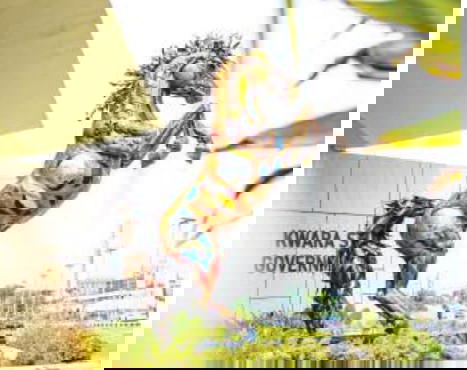
    As I walked by the Government House gate last Saturday morning for my exercise, a man and his two little children — a boy and a girl — sauntered on the other side of the road, just before the Office of the Deputy Governor. The little ones joyously gestured at the prancing horse. I wouldn’t know if they were passing by the gate for the first time, but my hunch tells me the children were seeing the horse for the first time. The father walked them across the road to the site of the prancing horse. A security officer told the man they could take pictures and I saw that the kids were grateful for it. I could see that it was fun for the kids.

    Humans are beautifully wired. Complex. Nuanced. Every day we traverse the earth to make new gains as a community, like the Artemis II mission just did in their near $100bn exploration of the Moon, what we see is the infinite wonders and beauty in the creation of God and man’s capability to conquer his world.  One of the peculiarities of man is that he is an emotional being. He is moved by many things. When he is sick, drugs alone may not always heal him. Sometimes, families and friends are asked to sit around him for emotional support. Medical psychologists are sometimes called upon to examine him for better outcomes.

    When humans suffer some trauma or are suspected of psychological (emotional) issues, they could be asked to change environment. Man’s pursuit of general wellbeing has led to many discoveries, including the roles that environment plays in calming the human spirit. People visit public gardens and many even plant trees and flowers to achieve the same purpose — aside the critical roles that trees and plants play to protect the ozone layer, ensure fresher air, and prevent diseases.

    Yet, research has established that exciting sights play important roles in our emotional balance. Against this background, the prancing horse (sculpture) that was newly installed at the Ahmadu Bello House, Ilorin, offers an exciting view as people drive or walk by. And this means something different to different people.

    The height, the beauty, and the novelty of it in that axis are an important addition to the state’s landmarks, especially for lovers of art and craft. But that isn’t just a prancing horse; the sculpture has security features carefully built into it.

    Some opposition figures have taken up arms against the new addition, as a statement showed this week. They want the ‘N22.8m or N250m spent on it’ deployed to feed the poor instead. That’s an interesting take; and it gets one curiouser about the nature of this opposition talk: is N22.8m or N250m all that is needed to end poverty or fight insecurity? 

    The government spends on safety net and security the same way it expands health coverage and infrastructure across the state. From the multilayered KWASSIP to the many other safety net programmes, this administration has institutionalised anti-poverty spending more than any other Kwara government in the Fourth Republic. Just recently, the government made multimillion cash transfers to support struggling families. This has been a culture. Between 2020 and now, several billions of naira have been committed to support small businesses, smallholder farmers, and the elderly. 

    Fighting poverty and other spendings that support overall human wellbeing are not mutually exclusive. The two can coexist. The government spends more than N500m to support security operations every other month, apart from any other special operations. 

    The PDP should understand that Kwara cannot always remain the same. We are not aguntan (sheep) whose outlook never gets better or newer year in, year out. We need to evolve. That is why the infrastructural transformation that the state has recorded over the last six years is clearly unrivalled in its chequered history.

    The post Aguntan o paso esi da — Kwara can and should get newer appeared first on Vanguard News.