Author: Vanguard News

  • Woman dies mid-air on flight from New York despite rescue efforts

    Woman dies mid-air on flight from New York despite rescue efforts

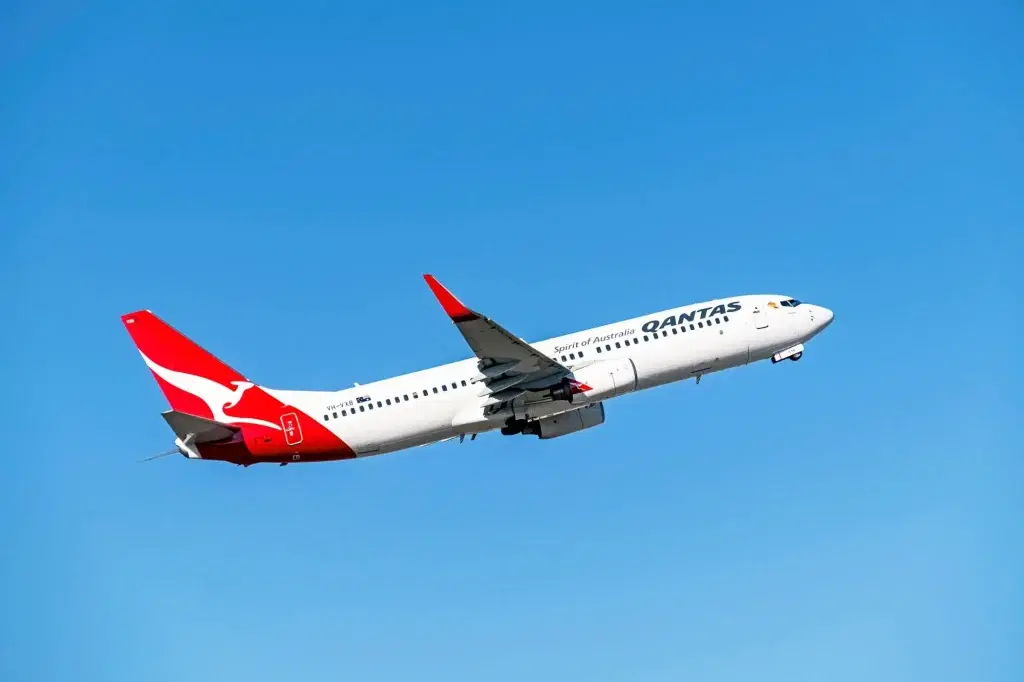
    A woman has died “suddenly” during a 17-hour flight from New York to New Zealand, despite efforts by crew members and medical professionals onboard to save her.

    Emergency services were on standby when the aircraft landed in Auckland, where authorities later confirmed the incident and launched an investigation. A coroner is now examining the circumstances surrounding the death.

    Airline officials confirmed that urgent attempts were made to revive the passenger mid-flight. “Urgent assistance was provided by crew and doctors onboard but sadly they passed away,” a spokesperson said. “In line with standard procedure, emergency services met the aircraft as part of the response.”

    The airline also extended condolences to the woman’s family and friends following the tragic incident.

    The case comes just weeks after a separate mid-air death on a British Airways flight from Hong Kong to London. In that instance, a woman in her 60s died about an hour after take-off, but the flight continued to its destination rather than turning back.

    A source described the emotional toll on those onboard, saying: “Obviously the family with the woman were distraught, and so were the crew. “Many wanted to return to Hong Kong. But, to put it bluntly, if a passenger has already died, that is not viewed as an emergency.

    “A discussion was had about what to do with the body — with the flightdeck’s request to lock it in a toilet rejected by crew. “So they had to isolate the body, wrap it in materials, and move it to a galley at the rear of the plane. “The galley had a heated floor, which some crew had overlooked, and towards the end of the flight there were claims that a foul smell was present in that region.”

    On arrival, police boarded the aircraft and asked up to 331 passengers to remain seated for about 45 minutes while initial investigations were carried out.

    Vanguard News

    The post Woman dies mid-air on flight from New York despite rescue efforts appeared first on Vanguard News.

  • IMF, World Bank, Others Warn Of Global Energy Shock

    IMF, World Bank, Others Warn Of Global Energy Shock

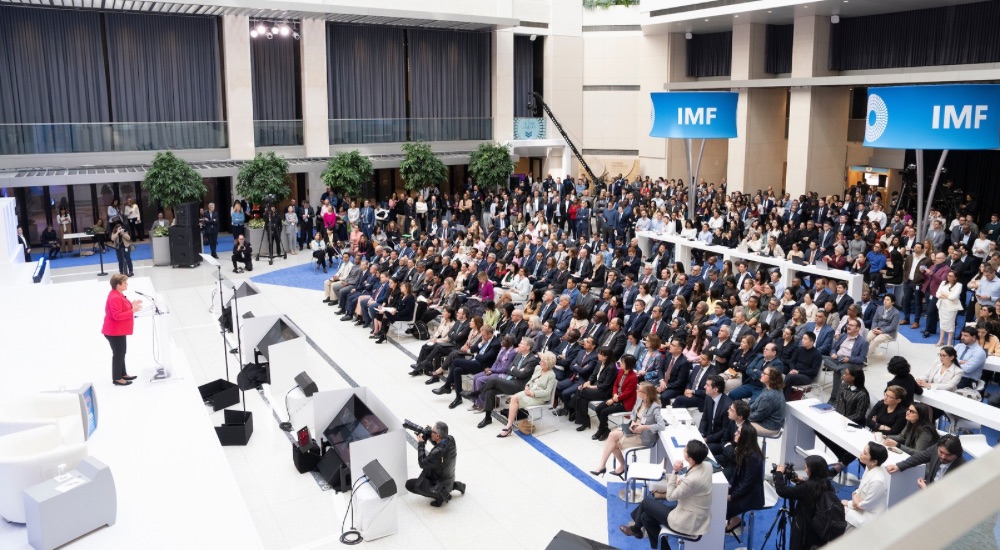
    The International Energy Agency, the International Monetary Fund, and the World Bank Group have warned that the ongoing war in the Middle East is triggering a major global energy and economic shock, with far-reaching consequences for the global economy.

    The institutions disclosed this in a joint statement issued after a high-level coordination meeting held on Monday to assess the impact of the conflict.

    They noted that the crisis is already driving up energy and commodity prices, with widespread but uneven effects, particularly on energy-importing and low-income countries.
    Highlighting the severity of the situation, the organisations said:

    “As we noted earlier this month, the impact of the war is substantial, global, and highly asymmetric, disproportionately affecting energy importers, in particular low-income countries.”
    “The shock has led to higher oil, gas, and fertilizer prices, triggering concerns about food security and job losses as well. Some oil and gas producers in the Middle East have also seen a dramatic loss of export revenue.”
    “The situation remains very uncertain, and shipping through the Strait of Hormuz is yet to normalize.”

    “Even after a resumption of regular shipping flows through the Strait, it will take time for global supplies of key commodities to move back towards their pre-conflict levels—and fuel and fertilizer prices may remain high for a prolonged period given the damage to infrastructure.”

    The institutions said supply disruptions are expected to affect multiple sectors, including energy, food, and manufacturing.

    They further noted that the crisis is already impacting livelihoods and economic stability across regions. Rising energy and fertilizer costs are increasing pressure on food production and prices, while some Middle Eastern oil and gas producers are experiencing significant export revenue losses.

    In addition, the conflict has led to the displacement of people, job losses, and a slowdown in travel and tourism activities, with recovery likely to be gradual due to infrastructure damage and ongoing supply chain disruptions.

    According to the institutions, the full scale and duration of the impact remain uncertain.

    The meeting forms part of a coordination framework established in early April to address the economic fallout from the conflict. The IEA, IMF, and World Bank Group said the initiative aims to align policy responses and strengthen support mechanisms for affected countries.

    They added that disruptions to global supply chains—particularly in energy and key commodities—have been exacerbated by challenges in shipping through critical routes such as the Strait of Hormuz, amplifying existing vulnerabilities in global energy and food systems.

    The institutions said they are working closely to support impacted economies through coordinated policy advice and financial assistance where necessary. The IMF and World Bank may provide financial support to countries facing severe economic shocks.

    Further assessments are expected in upcoming reports, including the IEA Oil Market Report and the IMF World Economic Outlook, as the institutions continue to monitor developments and coordinate efforts to support global economic stability.

    Meanwhile, Nigeria is intensifying efforts to secure global support amid the unfolding crisis. Minister of Finance and Coordinating Minister of the Economy, Wale Edun, is ramping up engagement with international partners as the country navigates rising oil revenues alongside mounting inflation pressures triggered by the conflict.

    In a media brief ahead of the IMF/World Bank Spring Meetings 2026 in Washington DC, the Federal Ministry of Finance outlined key policy priorities to guide Nigeria’s engagement with global stakeholders.

    IMF, World Bank, Others Warn Of Global Energy Shock is first published on The Whistler Newspaper

  • MEMAN to FG: Hand over four refineries to us for effective optimisation

    MEMAN to FG: Hand over four refineries to us for effective optimisation

    The Executive Secretary, Major Energies Marketers Association of Nigeria (MEMAN), Clement Isong Jnr., has urged the Federal Government to resuscitate the country’s four refineries by handing them over to those who can run them efficiently in Nigeria. Isong said this while airing his views on the effect of the ongoing conflict between the United States […]

  • Why Nigeria’s success is important to Ghana – President Mahama

    Why Nigeria’s success is important to Ghana – President Mahama

    Ghanaian President John Mahama has explained why Nigeria’s economic and political stability is vital to Ghana, noting that developments in Africa’s most populous country have direct implications for regional security and migration across West Africa. Mahama made the remarks at the African Heritage Awards held in Accra on April 11, where he stressed that Ghana […]

  • Kaduna PDP women leader, Godiya Lolo resigns from party

    Kaduna PDP women leader, Godiya Lolo resigns from party

    The Kaduna State Woman Leader of the Peoples Democratic Party, PDP, Godiya Lolo, has resigned from her position and membership of the party.

    Lolo announced her resignation in a letter dated April 13, addressed to the PDP chairman in Dura/Bitaro Ward of Jaba Local Government Area.

    In the letter, she expressed appreciation for the opportunity to serve in the party.

    “I have formally resigned my membership and position within the PDP. I am thankful for the experience and the opportunity to serve as State Woman Leader,” she said.

    Although she did not disclose her next political move, sources within the state indicated that her name has been linked to a Kaduna South campaign structure associated with the ruling party.

    The development has fueled speculation about a possible defection, though there has been no official confirmation.

    Observers say the resignation reflects ongoing political realignments in Kaduna State ahead of the 2027 general elections.

    The PDP is yet to issue an official statement on her resignation.

    Kaduna PDP women leader, Godiya Lolo resigns from party

  • FG spends N418.79bn on electricity subsidy in Q4 2025

    FG spends N418.79bn on electricity subsidy in Q4 2025

    The federal government spent about N418.79bn on electricity subsidies in the last quarter of 2025, according to new figures released by the Nigerian Electricity Regulatory Commission (NERC).

    In its fourth-quarter report, the regulator stated that this amount is lower than what the government spent in the previous quarter.

    The subsidy fell by N39.96bn compared to N458.75bn recorded in Q3 2025.

    The report also showed that government subsidies accounted for 52.30 per cent of the total amount billed by power generation companies (GenCos), a decrease from 58.63 per cent recorded in the previous quarter.

    NERC said the reduction in subsidy was mainly due to an increase in electricity supply to Band A customers.

    The share of energy allocated to these customers rose from 40 per cent to 45 per cent, as part of government efforts to improve power supply quality.

    The report explained how the system works, noting that, “In the absence of cost-reflective tariffs, the Government undertakes to cover the resultant gap in the form of tariff subsidies.”

    It added that, “For ease of administration, the subsidy is only applied to the generation cost payable by DisCos to NBET in the form of a DisCo’s Remittance Obligation (DRO).”

    During the period, the total invoice issued by the Nigerian Bulk Electricity Trading (NBET) to distribution companies (DisCos), after adjustments, was N386.13bn. Out of this, DisCos paid N359.27bn, representing a remittance rate of 93.04 per cent.

    This performance is slightly lower than in Q3 2025, when DisCos paid 95.23 per cent of their total invoice.

    Looking at individual companies, most DisCos met their full payment obligations.

    However, a few recorded lower performance levels. Yola, Benin, Ibadan, Kano, Jos, and Kaduna DisCos all paid below 100 per cent, with Kaduna and Jos recording some of the weakest remittance rates.

    The report also showed mixed performance trends. While Benin and Kaduna DisCos improved compared to the previous quarter, others, such as Kano, Jos, Ibadan, and Yola, recorded declines in their payment performance.

    Meanwhile, Abuja, Eko, Enugu, Ikeja, and Port Harcourt DisCos maintained a consistent 100 per cent remittance across both quarters.

    FG spends N418.79bn on electricity subsidy in Q4 2025

  • Oil Marketers Advocate Competitive PMS Imports To Curb Price Volatility

    Oil Marketers Advocate Competitive PMS Imports To Curb Price Volatility

    Nigeria’s oil marketers have called for the liberalisation of the downstream petroleum sector, urging regulators to allow more licensed operators to import Premium Motor Spirit (PMS) in a bid to stabilise prices and protect consumers from global supply shocks.

    The National President of the Petroleum Products Retail Outlets Owners Association of Nigeria (PETROAN), Billy Gillis-Harry, made the call on Tuesday during an appearance on Channels Television where he stressed that increased competition among suppliers would help moderate rising petrol prices currently driven by international market disruptions.

    Petrol prices in Nigeria have surged above N1,200 per litre in recent weeks, largely influenced by geopolitical tensions in the Middle East that have constrained global supply chains and pushed up import costs. Gillis-Harry argued that opening up the market to more importers would create competitive pricing dynamics and reduce the risk of supply shortages.

    He noted that while Nigeria’s domestic refining capacity is improving, particularly with operations at the Dangote Refinery, the country cannot yet rely solely on local production to meet demand.

    According to him, a hybrid approach that combines domestic refining with controlled importation is necessary to ensure energy security and affordability.

    “We should not depend entirely on imports, but at the same time, we must allow them in the interim to encourage competition and stabilise supply,” he said.

    “If multiple suppliers are active in the market, pricing will naturally become more competitive, which ultimately benefits consumers.”

    Gillis-Harry emphasised that liberalisation does not undermine local refining efforts but rather complements them.

    He reiterated PETROAN’s support for the Dangote Refinery while advocating for additional supply channels to prevent monopolistic pressures and future price distortions.

    The PETROAN president also pushed back against recent recommendations by the World Bank, which called for expanded fuel importation as part of broader measures to address inflation and supply constraints in Nigeria.

    In its April 2026 Nigeria Development Update, the World Bank highlighted limited competition in the downstream sector and restrictions on fuel imports as key drivers of rising domestic prices.

    The institution recommended reinstating petrol import licences to improve supply diversity and align local prices more closely with international benchmarks.

    Data from the report showed that as of March 2026, petrol prices in Nigeria stood at approximately N1,275 per litre, about 12 per cent higher than the estimated import parity price of N1,122 per litre, suggesting inefficiencies in the current supply structure.

    However, Gillis-Harry expressed reservations about adopting external policy prescriptions wholesale, insisting that Nigeria possesses sufficient local expertise to design solutions tailored to its unique economic realities.

    “I do not accept everything the World Bank advises. Nigeria has capable economists and policymakers who understand the local terrain and can chart the right course,” he said.

    Addressing concerns about the quality of imported fuel, he dismissed claims that liberalisation could open the floodgates to substandard products.

    He maintained that regulatory oversight by the Nigerian Midstream and Downstream Petroleum Regulatory Authority (NMDPRA) remains robust enough to ensure compliance with quality standards.
    “Imported products go through strict regulatory checks.

    There is no room for substandard fuel in the system,” he said, adding that past challenges with product quality have been effectively addressed through improved enforcement.

    He further explained that PETROAN members, who span major and independent marketers, already participate in fuel importation when permitted and adhere to established quality benchmarks.

    Looking ahead, Gillis-Harry called for sustained efforts to revitalise Nigeria’s state-owned refineries while encouraging private sector investments from emerging players such as BUA and Azikel to deepen domestic refining capacity.

    He concluded that a liberalised and competitive downstream sector remains critical to achieving long-term price stability, supply security, and affordability for Nigerian consumers.

    “If we have multiple sources of supply, local and imported, competition will thrive, and affordability will follow. That is the ultimate goal for Nigerians,” he said.

    Oil Marketers Advocate Competitive PMS Imports To Curb Price Volatility is first published on The Whistler Newspaper
  • UCL: Five senior Arsenal players miss training ahead of Sporting second leg

    UCL: Five senior Arsenal players miss training ahead of Sporting second leg

    At least five senior Arsenal players were absent from Tuesday’s training ahead of key fixtures this week.

    Mikel Arteta’s men are preparing to face Sporting in the second leg of their Champions League quarter-final on Wednesday.

    On Sunday, they travel to Manchester City for a Premier League title decider.

    However, Arteta might be dealing with an injury crisis, as Riccardo Calafiori, Martin Odegaard, Declan Rice, Bukayo Saka and Jurrien Timber were all not present in training.

    Rice was the only one of the quintet who played in the 2-1 home defeat to Bournemouth on Saturday.

    Calafiori, Odegaard, Saka and Timber have all been missing in recent weeks – with Odegaard (starting) and Calafiori (as a substitute) playing in the 2-1 FA Cup quarter-final loss at Southampton on Easter Saturday.

    UCL: Five senior Arsenal players miss training ahead of Sporting second leg

  • Police Debunk UTME Threat Rumors, Roll Out Nationwide Security

    Police Debunk UTME Threat Rumors, Roll Out Nationwide Security

    The Nigeria Police Force has deployed a rapid response team across examination centres nationwide ahead of the 2026 Unified Tertiary Matriculation Examination conducted by the Joint Admissions and Matriculation Board.

    This is because the police dismissed circulating rumours about threats to candidates’ safety as unfounded.

    In a statement on Tuesday, the Force Public Relations Officer, Anthony Placid, said the police were aware of “recent unfounded rumours” concerning the safety of some centres in a North Central state but stressed that such claims had no basis.

    “The Nigeria Police Force wishes to categorically state that these claims are without basis.

    “While the NPF does not act on rumours, the concerns raised by members of the public have been duly noted as it concerns the safety, education and future of our children and wards.”

    He said the police had taken proactive measures to ensure a secure environment for candidates sitting the examination scheduled to commence on April 16, 2026.

    “To this end, extra security has been deployed at examination centres nationwide, both overtly and covertly, to prevent any untoward incidents.

    “This includes routine patrols, perimeter checks, and rapid response teams stationed at strategic locations.”

    He added that the police were working closely with other security agencies to monitor and respond to potential threats.

    Placid added that the police were working closely with other security agencies to monitor and respond to potential threats.

    “The Nigeria Police Force is collaborating closely with sister security agencies to monitor and address potential threats effectively. Any individual or group attempting to disrupt the examination process will be swiftly identified and brought to justice,” he stated.

    The police spokesperson reassured candidates, parents and the general public of adequate protection throughout the examination period, urging candidates to comply with guidelines.

    “Candidates are encouraged to arrive early at their centres, adhere to examination regulations, and report any suspicious activities or persons to on-site security personnel,” he said.

    He also cautioned the public against spreading unverified information on social media, advising them to rely on official updates from the police and JAMB.

    “The Force remains committed to maintaining peace, security, and public confidence in all national activities, including the JAMB examinations,” he said.

    It was earlier reported that the 2026 UTME is scheduled to hold from Thursday, April 16, to Saturday, April 25, 2026.

    Police Debunk UTME Threat Rumors, Roll Out Nationwide Security is first published on The Whistler Newspaper

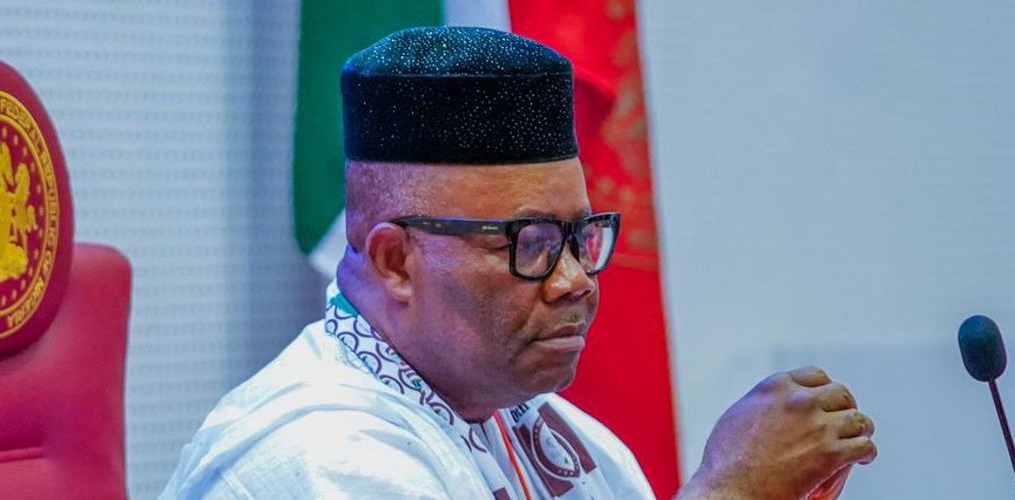
  • US Embassy Staff Reductions Not Driven By Nigeria’s Insecurity — Akpabio

    US Embassy Staff Reductions Not Driven By Nigeria’s Insecurity — Akpabio

    The President of the Senate, Godswill Akpabio, has stated that recent reports of embassy staff reductions in Nigeria are not linked to Nigeria’s electoral cycle but are instead driven by broader global security concerns.

    Akpabio made the remarks on Tuesday in Abuja during the inauguration of the new headquarters of the Nigeria Revenue Service (NRS), where he also defended the administration of President Bola Tinubu and highlighted ongoing fiscal and governance reforms.

    The US state department had authorised non-emergency government employees and government employee family members to leave its embassy in Abuja due to the deteriorating security situation in Nigeria.

    But Akpabio said suggestions that diplomatic missions are downsizing or adjusting their presence in Nigeria due to fears surrounding the country’s political environment ahead of the 2027 general elections are misplaced.

    He argued that such decisions are consistent with global patterns where nations adjust embassy staffing levels in response to evolving international security threats.

    He referenced global developments where countries have temporarily reduced diplomatic personnel in volatile regions due to security considerations, stressing that Nigeria is not being singled out for electoral reasons.

    Akpabio used the opportunity to caution against what he described as the politicisation of security narratives, insisting that insecurity in parts of the country is being exaggerated by opposition actors for political gain.

    He alleged that some groups are deliberately amplifying violent incidents to distract the administration of Bola Tinubu.

    He also linked the current security discourse to broader political tensions ahead of the next general election cycle, stating that governance achievements were being overshadowed by what he called “manufactured controversies.”

    “The opposition is trying to create distractions because they cannot match performance,” he said, adding that such narratives distort public understanding of both governance progress and security realities.

    The Senate President further praised the economic reforms of the Tinubu administration, particularly the removal of fuel subsidy, which he described as a difficult but necessary decision that helped improve fiscal stabili

    He argued that prior to the reforms, Nigeria’s revenue was heavily consumed by subsidy payments and debt servicing, leaving limited resources for infrastructure development.

    He said the reforms were beginning to yield results, citing improvements in infrastructure development across the Federal Capital Territory and increased capacity for capital projects.

    Akpabio also noted that the inauguration of institutions such as the Nigeria Revenue Service reflected the government’s broader effort to strengthen revenue generation and reduce dependence on borrowing.

    The NRS, according to him, represents a shift toward more efficient tax administration and improved fiscal discipline.

    He urged Nigerians to focus on governance outcomes rather than political speculation, insisting that the administration’s record should be the primary basis for public evaluation ahead of 2027.

    US Embassy Staff Reductions Not Driven By Nigeria’s Insecurity — Akpabio is first published on The Whistler Newspaper