Author: Tribune Online

  • MAPOLY expels 365 students over fake academic documents

    MAPOLY expels 365 students over fake academic documents

    The management of Moshood Abiola Polytechnic, Abeokuta, has expelled 365 students for gaining admission into the institution using falsified academic documents. This was contained in a statement signed by the Head of Public Relations and Protocol, Yemi Ajibola, on Monday. According to the statement, the affected students, all enrolled in various Higher National Diploma (HND) […]

    The post MAPOLY expels 365 students over fake academic documents appeared first on Tribune Online.

  • Bayelsa NDC Primary: Group Warns Against Moves To Alter Result

    Bayelsa NDC Primary: Group Warns Against Moves To Alter Result

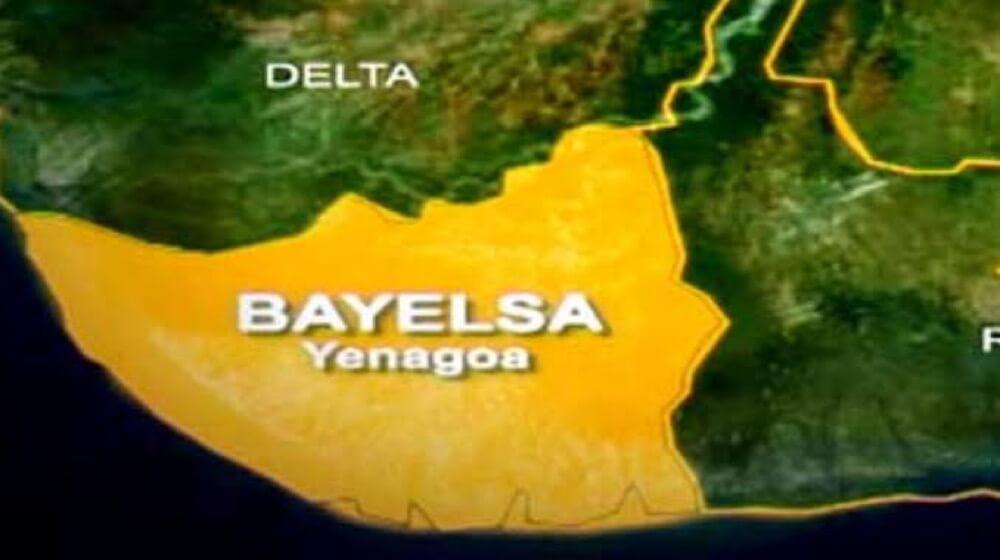
    The Director-General of Team Wilson 2027, Mr. Tony Famous, has cautioned against what he described as attempts to undermine the outcome of the Nigeria Democratic Congress (NDC) primary election for Sagbama Constituency II, insisting that the victory of Deacon Felix Wilson remains “non-negotiable.”

    Speaking during a press briefing in Yenagoa on Sunday, Famous reaffirmed that Wilson emerged winner of the party’s primary election conducted ahead of the forthcoming Bayelsa State House of Assembly election and urged party leaders to respect the mandate given to him by supporters.

    According to him, the primary election attracted a large turnout of party supporters and stakeholders from communities across Sagbama Local Government Area, including the riverine communities and Sagbama town, who participated peacefully in the exercise.

    He stated that the primary election was conducted in accordance with the guidelines and procedures of the NDC following the confirmation of candidates contesting various elective positions within the party.
    Famous explained that supporters openly queued behind their preferred aspirants in line with the party’s accreditation and voting process, adding that the exercise was transparent and witnessed by party faithful.

    He disclosed that at the conclusion of the voting and counting process, Deacon Felix Wilson secured 855 votes, defeating his closest rival, Hon. Michael Magbisa, who polled 422 votes.

    “The result clearly shows that Deacon Felix Wilson won with a margin of 433 votes. The exercise was free, transparent and reflected the collective decision of party members and supporters across Sagbama Constituency II,” he said.

    The Team Wilson 2027 Director-General expressed concern over what he termed attempts by certain individuals to spread misinformation and create confusion over the authentic outcome of the primary election.

    He warned that any effort to tamper with the result or deny Wilson the party’s ticket would amount to a disregard for the democratic wishes of party members who participated in the exercise.

    “The facts are straightforward and cannot be altered by propaganda or blackmail. Hon. Felix Wilson won the primary election fairly and convincingly.

    Any attempt to subvert the will of party members or interfere with the compilation of the final list of candidates would amount to an attack on the democratic rights of those who participated in the process,” Famous stated.
    He called on the leadership of the NDC and relevant authorities to ensure that the result of the primary election is upheld and that the mandate given to Wilson is protected.

    According to him, Wilson remains the authentic and duly elected candidate of the party for Sagbama Constituency II and should be recognized as such by all stakeholders.

    “Deacon Felix Wilson remains the duly elected, authentic and legitimate candidate of the Nigeria Democratic Congress for Sagbama Constituency II in the forthcoming Bayelsa State House of Assembly election.

    We urge all stakeholders to respect the wishes of the people and uphold the integrity of the party’s democratic processes,” he added.

    Also lending their voices in support of the outcome were members of the Team Wilson 2027 campaign structure, including Ekadd Tenbebe Desire, Romeo Richman, Henry Brisibe, Jessica Sepele and Alemu Eteimowei.

    The group unanimously endorsed Wilson’s victory, maintaining that the primary election was conducted peacefully and transparently.

    They expressed confidence in Wilson’s ability to effectively represent the people of Sagbama Constituency II if elected into the Bayelsa State House of Assembly.

    The supporters further urged party members and residents of the constituency to remain calm, united and focused as preparations intensify for the general election.

    The development comes amid heightened political activities in Bayelsa State as political parties conclude their nomination processes ahead of the state’s forthcoming legislative elections.

    Bayelsa NDC Primary: Group Warns Against Moves To Alter Result is first published on The Whistler Newspaper

  • Nigeria’s capital market needs deeper reforms to unlock growth potential —Ajayi

    Nigeria’s capital market needs deeper reforms to unlock growth potential —Ajayi

    In this interview by KEHINDE AKINSEINDE-JAYEOBA, Niyi Ajayi, Chairman and Group Managing Director of Financial Trust Company (FTC), reflects on the Nigerian Exchange (NGX), the reforms required to deepen market participation, the enduring importance of trust and integrity in financial services, and FTC’s pan-African ambitions. Excerpts: AS the Group Managing Director of Nigeria’s first indigenous […]

    The post Nigeria’s capital market needs deeper reforms to unlock growth potential —Ajayi appeared first on Tribune Online.

  • BREAKING: Nigeria’s Oil Production Threatened As NUPRC Workers Begin Industrial Action

    BREAKING: Nigeria’s Oil Production Threatened As NUPRC Workers Begin Industrial Action

    … Shut Down Operations Over Welfare Disputes

    Workers of the Nigerian Upstream Petroleum Regulatory Commission (NUPRC) have commenced an indefinite strike action, shutting down all commission offices across Nigeria over unresolved welfare and administrative grievances.

    Sources told THE WHISTLER that the industrial action began on Monday morning, with staff enforcing a total nationwide shutdown after the breakdown of negotiations with management over long-standing demands.

    According to the sources, the decision followed prolonged but unsuccessful engagements between the union and management over issues bordering on staff welfare, promotions, training opportunities, and broader governance concerns within the commission.

    The workers are also demanding a review of the current cost-of-collection structure, particularly the allocation of one per cent of the cost of collection to the Nigerian Midstream and Downstream Petroleum Regulatory Authority (NMDPRA).

    They insist the arrangement should be reversed, arguing that it weakens the operational capacity and financial efficiency of the upstream regulator.

    Beyond financial concerns, the union accused the commission’s management of failing to address persistent issues relating to staff development, career progression, and institutional capacity building, affecting both unionised and management-level employees.

    They further alleged that repeated engagements with management had not yielded meaningful results, leaving workers with no option but to withdraw their services nationwide.

    The striking workers also raised concerns over governance within the agency, accusing the leadership of running the commission “like an operator rather than a regulator.”

    According to them, this approach has created overlapping responsibilities within Nigeria’s petroleum regulatory framework, with other agencies allegedly taking on functions they believe should remain strictly under NUPRC’s mandate.

    Sources added that tensions had been building for months, with internal communications and meetings failing to produce any concrete agreement or implementation roadmap.

    They said frustration among staff had reached a peak, prompting the immediate shutdown of operations.

    “All NUPRC offices in Nigeria are shut,” one of the sources confirmed, stressing that the strike action covers the entire country.

    However, terminal and essential operational staff have been exempted pending further directives depending on management’s response to the ongoing industrial dispute.

    The shutdown has paralysed activities across all major offices and field formations of the commission.

    The closure has already disrupted administrative and regulatory functions at the commission’s headquarters in Abuja, with operations expected to remain grounded until further notice.

    As of press time, there was no official detailed response from NUPRC management regarding the strike action or the specific demands raised by the workers.

    The development raises fresh concerns over labour relations within Nigeria’s upstream petroleum regulatory sector, particularly at a time when stability in the oil and gas industry remains critical to government revenue and ongoing sector reforms.

    BREAKING: Nigeria’s Oil Production Threatened As NUPRC Workers Begin Industrial Action is first published on The Whistler Newspaper

  • Samson Atekojo: Empowering the last mile – How OPay is expanding financial access across Nigeria

    Samson Atekojo: Empowering the last mile – How OPay is expanding financial access across Nigeria

    In a small community market in northern Nigeria, a trader receives payment for goods through a mobile transfer instead of cash. In a rural town in the South-West, a young Point-of-Sale (PoS) agent helps residents withdraw money, pay bills, and send funds without travelling long distances to a bank branch. Across Nigeria, scenes like these are becoming more common and at the centre of this transformation is OPay.

    Over the last few years, OPay has emerged as one of Nigeria’s leading fintech companies, helping to bring tens of millions of previously underserved Nigerians into the formal financial system. Through technology, agency banking, and digital payment services, the company is expanding financial access to communities often described as the “last mile”, areas where traditional banking services remain limited or completely absent.

    At a time when financial inclusion has become a major national priority, OPay’s growing presence across urban and rural communities is helping to reshape how Nigerians save, spend, transfer money, and run businesses.

    Bringing Financial Services Closer to the People

    For decades, millions of Nigerians faced major barriers to accessing financial services. Many rural communities had few or no bank branches, while long queues, transport costs, and banking charges discouraged low-income earners from using formal financial institutions.

    OPay’s agency banking model has helped reduce these barriers. Through a nationwide network of agents and merchants, Nigerians can now carry out basic financial transactions close to their homes and businesses. Customers can withdraw cash, deposit money, transfer funds, pay utility bills, buy airtime, and make everyday payments using nearby agents equipped with OPay PoS terminals.

    The company’s extensive agent network has expanded rapidly nationwide, helping to deepen financial access in communities where banking infrastructure remains limited. For many residents in underserved locations, the nearest OPay agent has effectively become their neighbourhood banking point.

    OPay’s expansion in Nigeria shows significant long-term foreign capital investment in the country’s digital economy and financial infrastructure. Over the years, the company has attracted major international investments from global institutions including SoftBank, Sequoia China (HSG), Redpoint, IDG Capital, Source Code Capital, and other global investors. These investments have supported OPay’s long-term operational growth, technology infrastructure, security systems, agent network expansion, and local business development within Nigeria.

    The company has also established Lagos as one of its core operational centres globally, further underlining its long-term commitment to Nigeria’s market and economic development.

    Creating Jobs and Supporting Livelihoods

    Beyond improving financial access, OPay is also contributing significantly to local employment and entrepreneurship. Hundreds of Thousands of Nigerians today earn income directly through OPay’s ecosystem as PoS agents, customer service representatives, sales personnel, field support staff, and merchants. In many communities, agency banking has become a reliable source of daily income, especially for young people and small business owners.

    Across busy streets and marketplaces, OPay kiosks have become small-business centres, supporting families and local economies. For some operators, agency banking started as a side business but has now grown into a full-time enterprise. The business model allows many agents to generate a steady income from transaction commissions while also attracting customers to their shops and other businesses.

    The company’s expansion has also created indirect employment opportunities for phone vendors, technicians, logistics operators, roadside shop owners, and small retailers who depend on digital transactions to serve customers efficiently. As Nigeria continues to battle unemployment and economic pressure, fintech-driven job creation is becoming increasingly important at the grassroots level.

    Helping Small Businesses Grow

    Nigeria’s informal sector contributes significantly to the country’s economy, with millions of small traders and microbusinesses operating daily across markets, transport hubs, and local communities. However, many of these businesses have historically relied heavily on cash transactions, limiting their ability to scale and operate efficiently.

    OPay’s digital smart business solutions are helping to change that. today, many traders, supermarkets, pharmacies, food vendors, and transport operators accept transfers and digital payments through OPay platforms. This reduces the risks associated with carrying cash and helps businesses complete transactions faster and more conveniently.

    The growing use of digital payments has also improved customer experience, especially in areas where access to cash can be difficult. For small businesses, speed and convenience often translate directly into increased sales and customer trust.

    Strengthening Financial Inclusion Nationwide

    Financial inclusion remains one of the key pillars of Nigeria’s economic development strategy. According to development experts, expanding access to formal financial services can improve economic participation, support small businesses, and reduce poverty.

    OPay’s growth reflects this broader national shift toward a more digitally connected economy. By leveraging mobile technology and agent networks, the company is helping tens of millions of Nigerians, including traders, artisans, students, transport workers, and rural residents, participate more actively in the formal financial ecosystem.

    Importantly, the platform’s simplicity has made digital finance easier for many first-time users. Transactions that once required travelling to a bank can now be completed within minutes by local neighbourhood agents. This convenience is helping to build confidence in digital banking services among ordinary Nigerians.

    In 2024, the company received the Financial Inclusion Innovation Award from the Central Bank of Nigeria (CBN), recognising its contributions toward advancing inclusive digital finance and expanding access to financial services across underserved communities in Nigeria. The recognition highlights the growing importance of fintech companies in supporting Nigeria’s national financial inclusion objectives and accelerating the country’s transition toward a more digitally connected economy.

    Supporting Nigeria’s Cashless Future

    Nigeria’s transition toward a cashless economy continues to gain momentum, driven by increased smartphone usage, digital innovation, and changing consumer behaviour. Fintech companies like OPay are playing a major role in accelerating that transition.

    During periods of cash shortages and banking disruptions in recent years, digital financial platforms became critical alternatives for businesses and individuals trying to continue daily transactions. For many Nigerians, fintech platforms provided faster and more accessible payment channels during difficult periods, reinforcing the growing importance of digital finance in the country’s economy.

    today, from major cities to rural communities, digital payments are fast becoming part of everyday life.

    A Growing Impact Beyond Banking

    While OPay’s core business focuses on financial technology, its broader impact is increasingly visible in economic empowerment and community development. Every new agent location represents improved access to financial services for residents. Every merchant onboarded into digital payments represents another small business gaining access to modern commerce tools.

    As financial technology continues to expand across Nigeria, companies that successfully combine innovation with accessibility will remain central to the country’s development journey.

    For tens of millions of Nigerians at the grassroots level, financial inclusion is no longer an abstract policy discussion. It is now something practical: the ability to send money quickly, receive payments easily, grow a small business, and earn a stable income close to home. And across Nigeria’s towns, villages, and crowded city streets, OPay’s expanding network is helping make that possibility a daily reality.

    Samson Atekojo: Empowering the last mile – How OPay is expanding financial access across Nigeria

  • Stakeholders worried over 300% increase in Lagos’ land transaction fees

    Stakeholders worried over 300% increase in Lagos’ land transaction fees

    STAKEHOLDERS in the real estate industry have decried the 300 per cent increase in land transaction fees in Lagos State.They pointed out that such astronomical rise in land charges constitute an additional financial burden on home buyers and developers. According to them the framework will further worsen housing affordability challenges in the state, especially at […]

    The post Stakeholders worried over 300% increase in Lagos’ land transaction fees appeared first on Tribune Online.

  • Borno: Zulum directs distribution of free cholera drugs, medical consumables to health facilities

    Borno: Zulum directs distribution of free cholera drugs, medical consumables to health facilities

    Borno State Governor Prof. Babagana Umara Zulum has directed the immediate procurement and distribution of drugs, medical consumables, and hygiene materials worth millions of naira to health facilities to curtail cases of acute watery diarrhoea in parts of the state. The Permanent Secretary of the Ministry of Health and Human Services, Dr Shettima Maina Mohammed, […]

    The post Borno: Zulum directs distribution of free cholera drugs, medical consumables to health facilities appeared first on Tribune Online.

  • We build trust through relationship banking, not transactions —Anele

    We build trust through relationship banking, not transactions —Anele

    In a volatile macroeconomic environment, banks that endure are those whose customers can openly discuss challenges before they become defaults, says the Managing Director/Chief Executive Officer of Nova Commercial Bank, Mr. Jude Anele. Speaking on the bank’s post-recapitalisation strategy, Anele said the bank is positioning itself as a relationship-driven institution focused on SMEs, retail customers […]

    The post We build trust through relationship banking, not transactions —Anele appeared first on Tribune Online.

  • Nigeria-UAE non-oil trade rises to $5bn in 2024 — Envoy

    Nigeria-UAE non-oil trade rises to $5bn in 2024 — Envoy

    Nigeria’s non-oil trade with the United Arab Emirates (UAE) increased to $5 billion in 2025 from $4.3 billion in 2024, as the First Abu Dhabi Bank (FAB) prepares to commence operations in Lagos and Etihad Airways moves to begin flights to Abuja later this year. The development was disclosed by the UAE Ambassador to Nigeria, […]

    The post Nigeria-UAE non-oil trade rises to $5bn in 2024 — Envoy appeared first on Tribune Online.

  • Saraki hosts Ileya hangout in Ilorin, organises free medical services

    Saraki hosts Ileya hangout in Ilorin, organises free medical services

    Former Senate President Dr Abubakar Bukola Saraki hosted his annual Ileya Hangout to mark the Eid-el-Adha festival, bringing together hundreds of supporters, associates, and community and religious leaders from across Kwara State in a gathering that blended celebration with community service. The hangout, held at Saraki’s residence in Ilorin, was characterised by a relaxed, joyful […]

    The post Saraki hosts Ileya hangout in Ilorin, organises free medical services appeared first on Tribune Online.